Last updated November 17, 2026


Free written scope consultation - allowances, timeline, and change-order rules on paper before a single trade is scheduled
Choosing the Right Construction Brand: A Buyer’s Guide for Coral Gables
A roofing product rated for 130 mph wind uplift in a lab test may carry a Miami-Dade NOA, but not every NOA-listed product is approved for the specific application method your roof requires. That detail lives in the fine print of the Notice of Acceptance, not on the packaging, and it’s the difference between a passing inspection and a failed one. Most buyers in Coral Gables shop brands by reputation or by price. The smarter filter is performance: what a product does under South Florida sun, humidity, and wind load. This guide shows you how to read approvals, which brand tiers actually earn their premium, and how the city’s architectural standards shape what gets approved.
Quick Answer
The right construction brand for a Coral Gables project is the one whose product carries an approval that matches your exact application, not the one with the biggest ad budget. Match the brand tier to the trade: premium systems pay off in roofing and glazing, while mid-tier products often perform comparably in pavers and fencing. Read every Miami-Dade Notice of Acceptance for scope, not just the wind number, and confirm your contractor can register the warranty through an authorized channel.
Styles & brands we work with
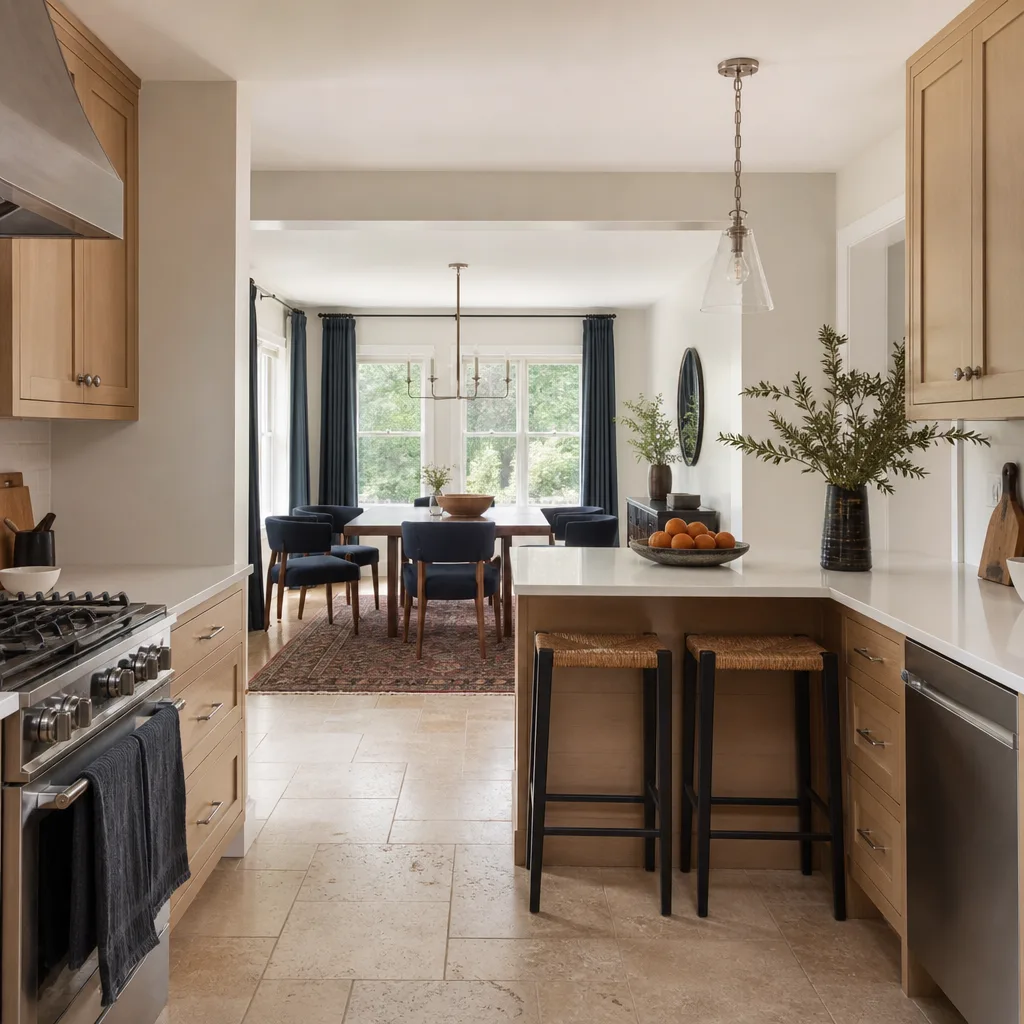
- Kitchen remodeling
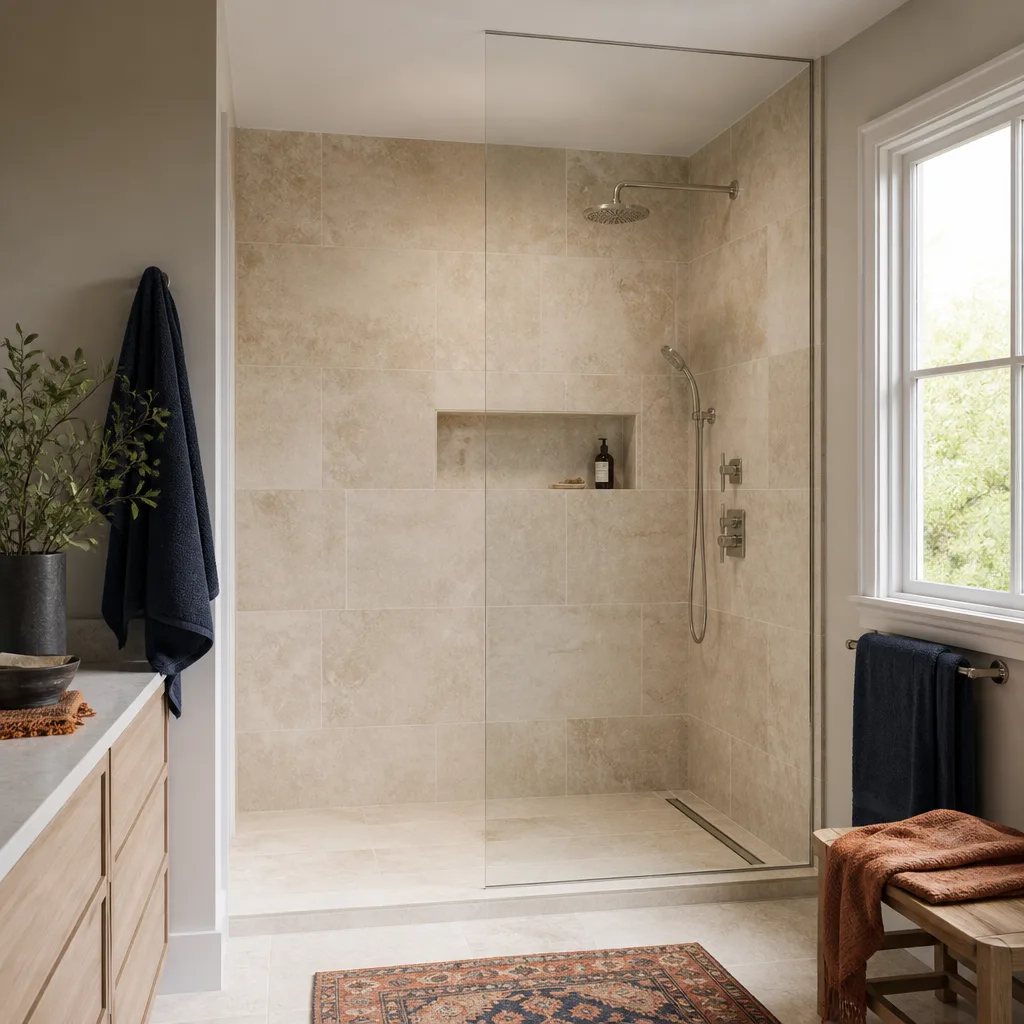
- Bathroom remodeling
- Home additions & ADU
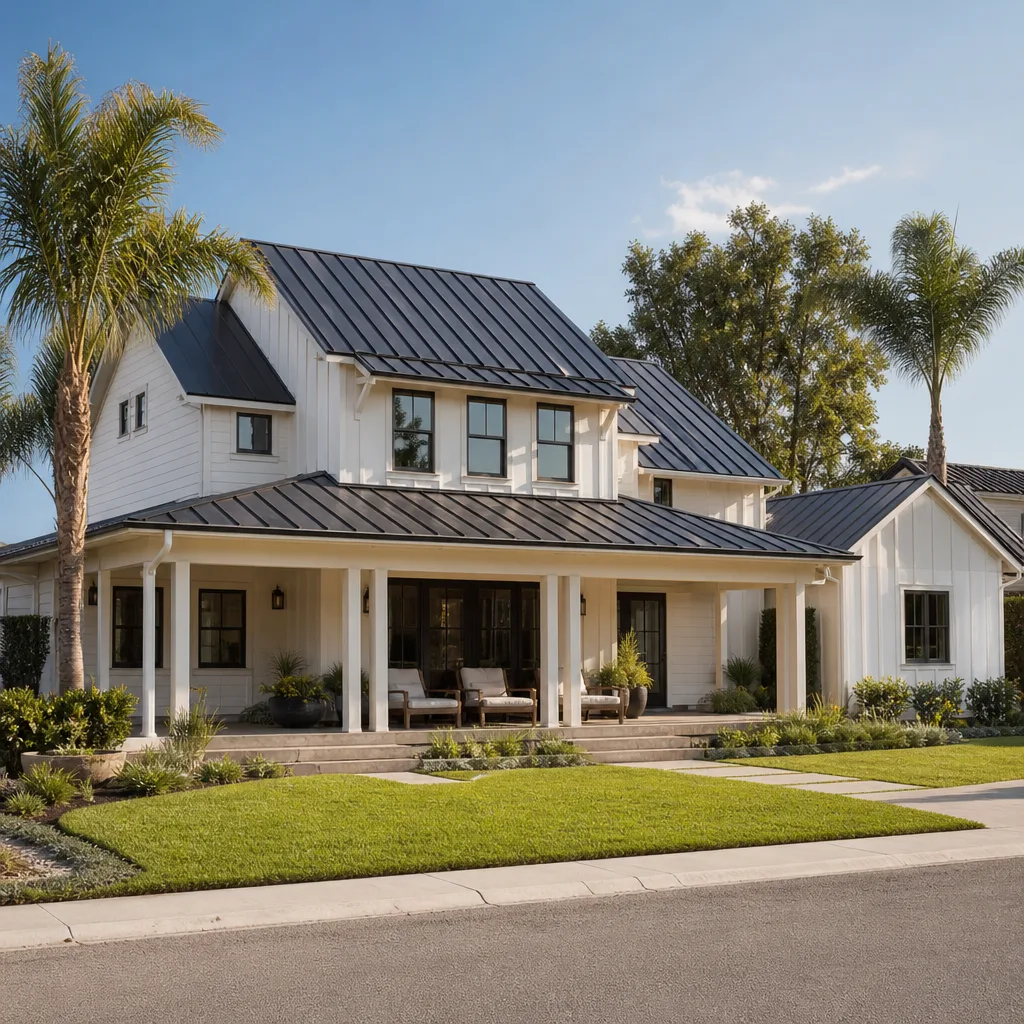
- Roofing
- Windows & doors
- Driveway & pavers
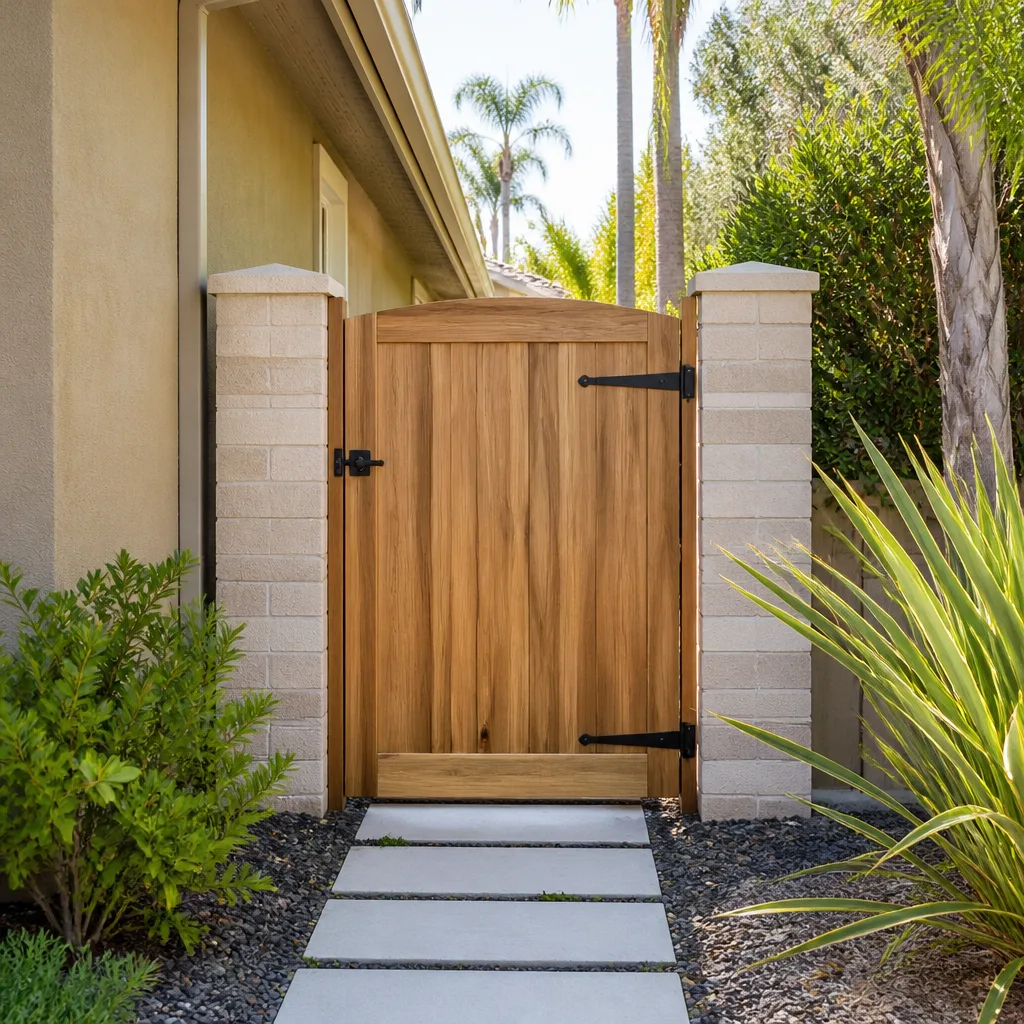
- Fence
Table of Contents
- How to Read a Miami-Dade Notice of Acceptance
- What Matters Most in a Roof System
- Stucco, Cladding, and UV Stability
- Pavers and Drainage Performance
- Where Brand Tier Matters and Where It Doesn’t
- Coral Gables Aesthetics and Product Selection
- Why Curated Brand Relationships Matter
- Common Mistakes to Avoid
How to Read a Miami-Dade Notice of Acceptance
A Miami-Dade Notice of Acceptance, or NOA, is the document that tells you a product has been tested and approved for use in the county’s high-wind environment. If you’re building or remodeling in Coral Gables, Miami-Dade County code governs much of what goes on your exterior, and the NOA is the paper trail your inspector will look for. The wind uplift number gets all the attention, but the approval scope is where projects live or die.
Read an NOA in this order:
- Product description. Confirm the exact model, profile, and material match what you’re buying. A similar-looking panel from the same brand can have a separate NOA with different limits.
- Approved substrates. The NOA lists what the product can be installed over. A tile approved over one underlayment assembly may not be approved over another, and your roof assembly has to match.
- Installation method. Fastener type, spacing, and pattern are specified. Installing correctly but with the wrong fastener voids the approval.
- Design pressure ratings. Positive and negative pressure limits are stated separately and vary by building height and exposure category.
- Expiration date. NOAs are evaluated and re-issued over time. An expired approval can stall an inspection.
For windows and doors, the same logic applies. A high-performance glazing unit with an impact rating still has to be approved for your opening size and installation detail. This is one of the reasons we keep impact-rated and specialty window and door brands like PGT, CGI, and ECO Window Systems on our roster, since they publish approvals that support the way Coral Gables homes are actually built and detailed. If your contractor hands you a spec sheet and calls it an approval, ask to see the NOA itself.
What Matters Most in a Roof System
Roofs here fail from two forces: wind and heat. Wind uplift tries to peel the assembly off the deck, and thermal cycling works on every seam, fastener, and sealant through year after year of hot days. A roof that passes inspection and still leaks two years later usually failed on the thermal side, not the wind side. So when you’re comparing brands, weight the warranties and the system-level approvals that address both.
The premium names in this category, GAF and CertainTeed among them, earn their position differently than a generically labeled product. They publish complete system assemblies, meaning the underlayment, starter, field product, and ridge components are tested together rather than assembled from unrelated parts. That matters because a mismatched assembly can be the reason a manufacturer declines a claim.
- System warranty strength. What the manufacturer covers and for how long, and whether the coverage applies to the full assembly or the shingles alone.
- Wind uplift testing. Look for the specific rating tied to your NOA, not a headline number from a marketing sheet.
- Thermal cycling performance. Products designed and tested for hot climates hold up better than those built for mixed markets.
- Color and reflectivity. Cooler colors help keep attic heat down, and some rebate or code programs reward higher reflectivity. Ask your contractor what applies.
We carry multiple manufacturer options per roofing project so you can compare systems on their merits rather than accepting whatever a single supplier pushes. If you’re planning a full roof replacement alongside other exterior work, it’s worth reviewing your Coral Gables Construction options early, because sequencing a roof and the hardscape around it changes the schedule.
Stucco, Cladding, and UV Stability
Exterior walls in South Florida take a beating from sun exposure, and humidity sitting against a wall assembly causes more damage than most homeowners expect. The performance questions for stucco and cladding come down to moisture management and UV stability. A finish that chalks, fades, or lets water migrate behind it will cost you far more than the line item saved at purchase.
What to look for:
- Moisture resistance. The system should shed bulk water and allow any that gets behind it to drain. Weep screeds and drainage planes matter as much as the cladding brand.
- UV stability. Look for products with documented color retention, not just a pretty sample board. Florida’s sun is relentless on anything with pigment.
- Approved assemblies. Some cladding products require specific sheathing and fastening. An unapproved assembly can fail inspection even when the product itself is fine.
- Finish warranty. Read what the finish warranty covers and excludes. Many exclude fading below a certain threshold.
In our experience, the exterior envelope is where mid-tier products can quietly underperform, because the failures are slow and hidden. A few dollars per square foot saved on a finish that needs repainting years early isn’t a saving. Ask for the finish warranty terms in writing and compare them side by side before you decide.
Pavers and Drainage Performance
Hardscape in Coral Gables faces a specific test: heavy seasonal rain followed by strong sun. Pavers that pass a visual inspection can still fail on drainage, which is where most driveway and patio complaints start. Water needs somewhere to go, and the base assembly does as much work as the surface product.
When you’re evaluating hardscape brands like Belgard, Unilock, and Tremron, keep these attributes on your checklist:
- Drainage design. The system needs slope, base depth, and joint sand specified for real rainfall volume, not a token pitch. Permeable systems help where runoff is a concern.
- Compressive strength. Commercial-grade products hold up better to vehicles and foot traffic over the long run.
- Fade and stain resistance. Look for color technology documented against UV exposure, because surface pigments are the first thing to go.
- Salt tolerance. Many homeowners use de-icing or cleaning products, and some pavers handle chemical exposure better than others. Ask about it if you maintain a pool or hot tub nearby.
- Warranty terms. The manufacturer’s warranty should cover structural integrity, not just cosmetics.
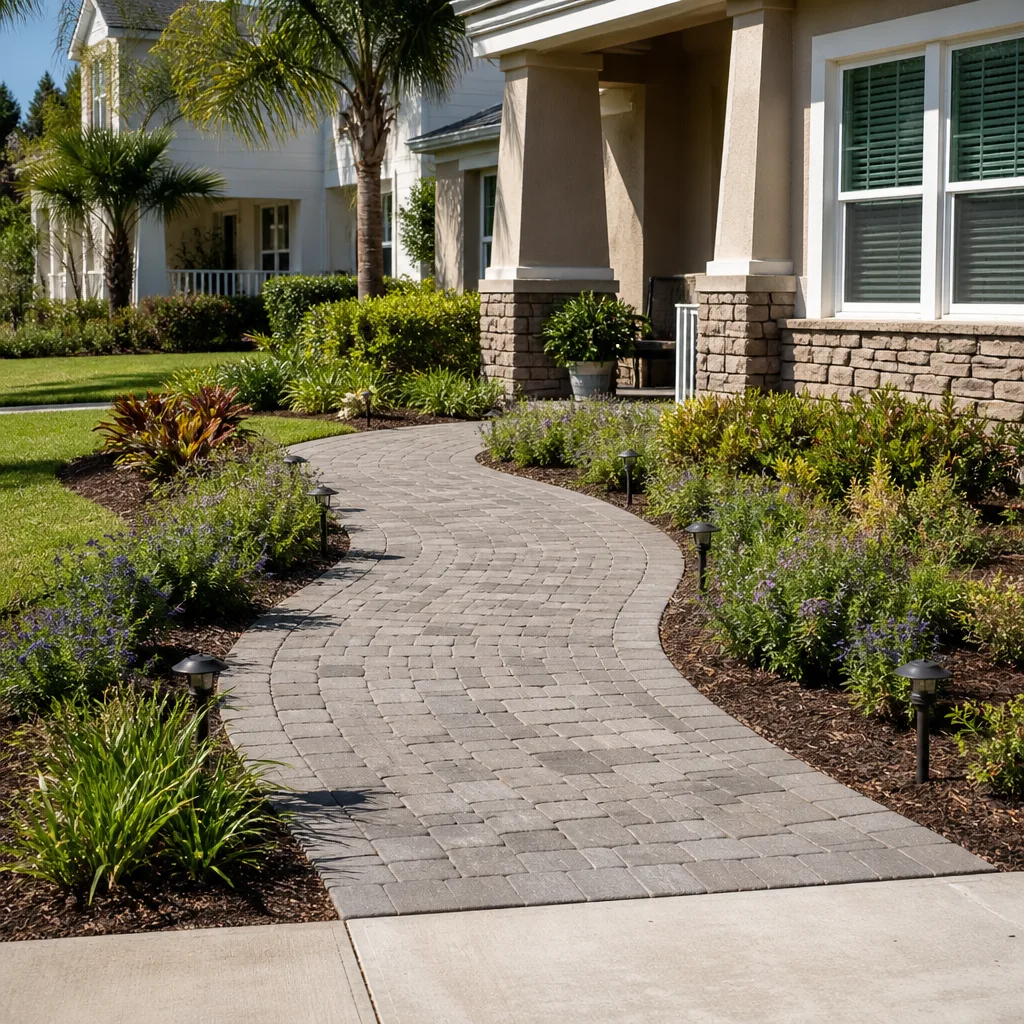
A driveway is often the first thing people see, and it’s one of the cheapest places to add visible value. That’s why we encourage comparing systems before locking in a budget. Reviewing your driveway & pavers project with a contractor who has multiple manufacturer relationships gives you real options instead of a single take-it-or-leave-it quote.
Where Brand Tier Matters and Where It Doesn’t
Not every trade deserves a premium name. The trick is knowing which categories deliver measurable longevity for the extra cost, and which ones perform about the same across the middle of the market. Here’s how we think about it.
Trades where premium pays
- Roofing. The difference between a system-tested roof and a pieced-together one shows up in claims and in leaks. Premium brands here are worth the money.
- Windows and doors. Impact-rated glazing is a performance product, and the quality of the frame, hardware, and sealant assembly matters for wind and water intrusion.
- Plumbing fixtures. Brands like Grohe and Sterling earn their place in the finish cartridges and long-term reliability. Cheaper fixtures are the number one source of repeat calls in a bathroom remodel.
- Countertops. Engineered stone from Cambria, Silestone, and Caesarstone offers consistent quality and warranties worth reading.
Trades where mid-tier performs well
- Fencing. Many mid-market fence products do the job for years. Match the material to the exposure and the warranty, and you’re usually fine.
- Standard pavers. Mid-tier pavers with a properly built base serve most residential driveways well.
- Interior millwork. Where the finish is painted and the joinery is sound, brand matters less than the fabricator.
This is why we don’t push one brand across every project. The right answer depends on what the product has to survive and how long you intend to keep it. If you’re adding square footage, that calculation changes again. Reviewing your home additions & ADU plan with brand depth in mind pays off more than chasing the cheapest bid.
Coral Gables Aesthetics and Product Selection
Coral Gables has architectural standards that shape what gets approved on the exterior. The city’s design review has historically favored Mediterranean, Spanish Colonial, and coral-rock-inspired aesthetics, and that means color ranges, profile styles, and finish types get scrutinized. Knowing this before you shop saves months of rework.
What we’ve seen pass more smoothly:
- Earth-tone roof colors. Terracotta, muted brown, and warm gray tones tend to align with what review expects on tile roofs.
- Flat or low-profile stucco finishes. Smooth or lightly textured finishes read cleaner than heavy textures on most of the housing stock.
- Pavers in muted palettes. Warm tones and natural stone looks are safer bets than bright or highly patterned surfaces.
- Window profiles that match the home’s style. Frame color and mullion design get reviewed alongside the glazing.
Flagged or delayed items tend to involve sharp contrasts, metallic finishes, and unusual patterns that don’t fit the surrounding character. None of this is a reason to skip the process. It’s a reason to involve your contractor early, so product selection supports the approval rather than fighting it. Brands that publish design collections help here, because you can compare finishes against what review has approved before you commit.
Why Curated Brand Relationships Matter
You can buy the right brand through a retail channel and still lose the advantages that make premium products worth the price. Curated relationships with manufacturers and distributors give you access to things retail can’t offer, and those matter most when something goes wrong.
- Technical support from manufacturer reps. When a detail is unusual, a rep can advise on how to install it correctly. That’s the difference between a compliant build and a callback.
- Commercial pricing. Authorized contractors get pricing structures that aren’t available at retail, and that’s reflected in your estimate.
- Warranty registration. Many warranties require registration by an authorized installer within a set window. Miss it and you hold a worthless piece of paper.
- Realistic lead times. Relationships mean your contractor knows what’s actually available and how long it takes to arrive, so schedules are built on facts.
- Faster resolution. If a product has an issue, a manufacturer is more responsive to an established account than to one-off complaints.
We maintain relationships with more than fifty brands across cabinetry, countertops, plumbing fixtures, roofing, windows, doors, fencing, pavers, and prefab ADU platforms. That range is a working tool, not a badge. It means you can specify by name, not by category, and compare options side by side. It also means a project involving several trades can be coordinated by one contractor instead of several, which is where a lot of lost time usually hides.
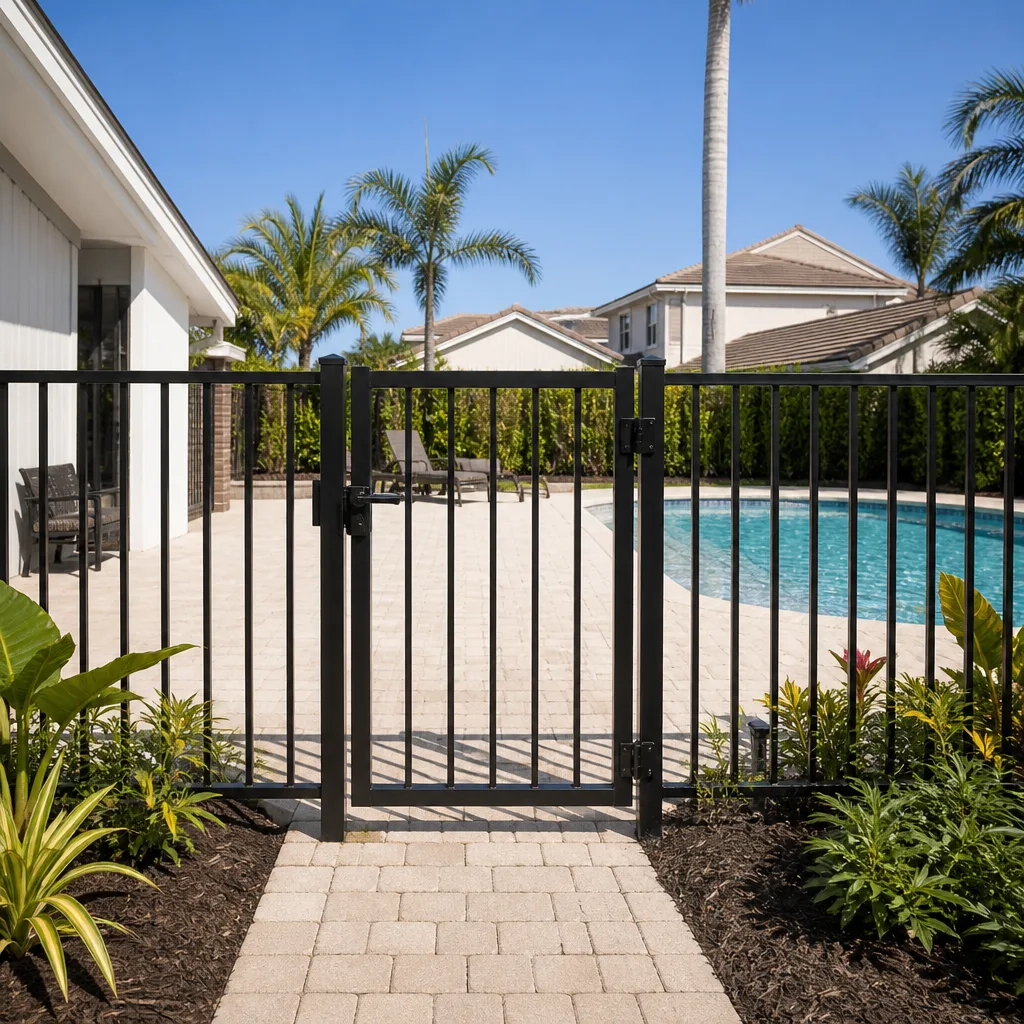
Fencing is a good example. A homeowner comparing options across materials usually wants to see real product rather than a photo. Reviewing your fence installation with manufacturer options in hand keeps the project moving. The same logic holds for every other trade on the list.
Common Mistakes to Avoid
- Choosing on price alone. The lowest bid usually reflects a product line at the bottom of a category, and the failures show up after the warranty expires. Compare systems, not just numbers.
- Accepting a spec sheet as an approval. An NOA is a specific document with scope, substrates, and installation methods. A marketing sheet is not an approval, and inspectors know the difference.
- Ignoring the assembly. A product is only as good as what it’s installed over and with. Mismatched underlayments, fasteners, or sealants break approvals and void warranties.
- Skipping design review conversations. In Coral Gables, exterior selections get reviewed against the city’s architectural standards. Checking ahead avoids rejection and rework.
- Buying premium brands through retail channels. You may end up with a good product and no registered warranty. Confirm the installation and registration path before purchase.
- Mixing contractors across trades. Scheduling conflicts between separate contractors are the most common cause of a delayed project. One contractor across the trades keeps the timeline honest.
- Overlooking hurricane and impact requirements. Miami-Dade code sets minimum standards for openings and roof assemblies. Products that don’t meet them won’t pass inspection, whatever the brand.
See the difference
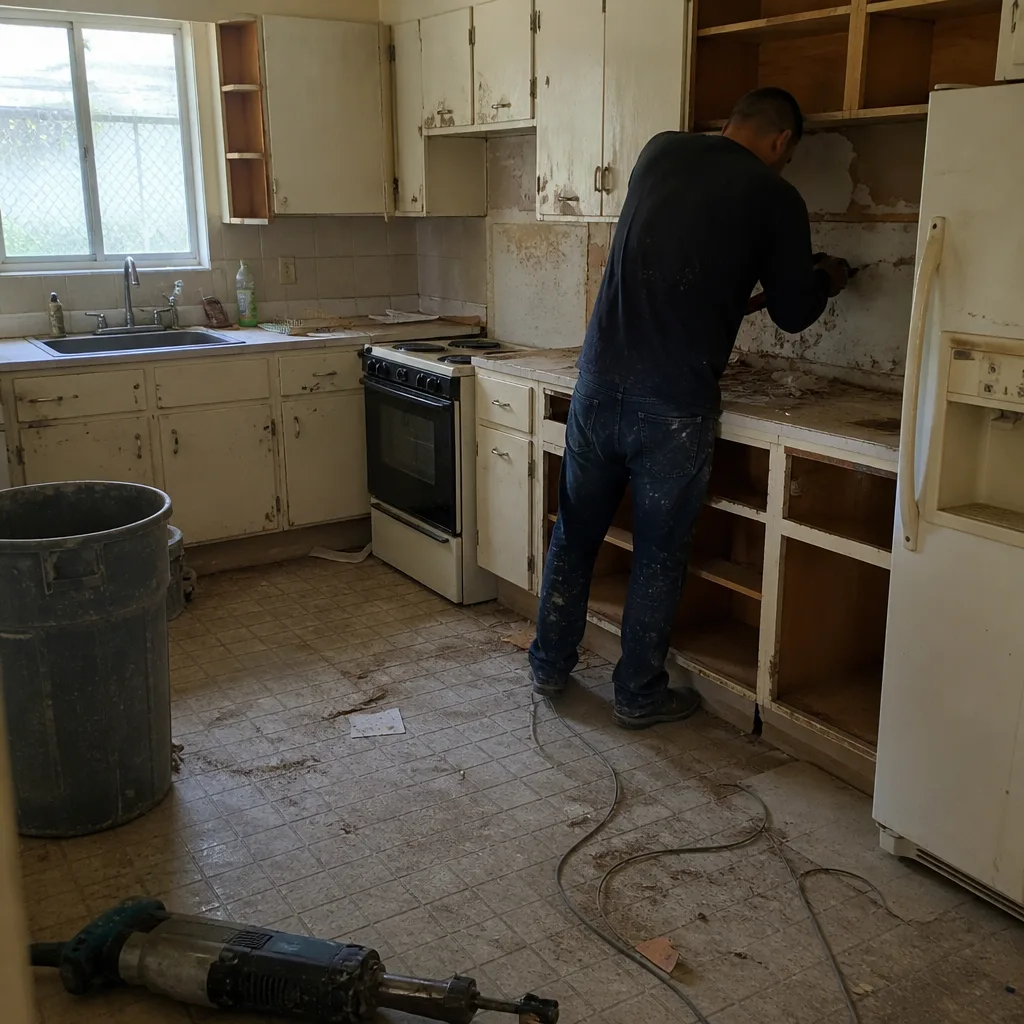 Before
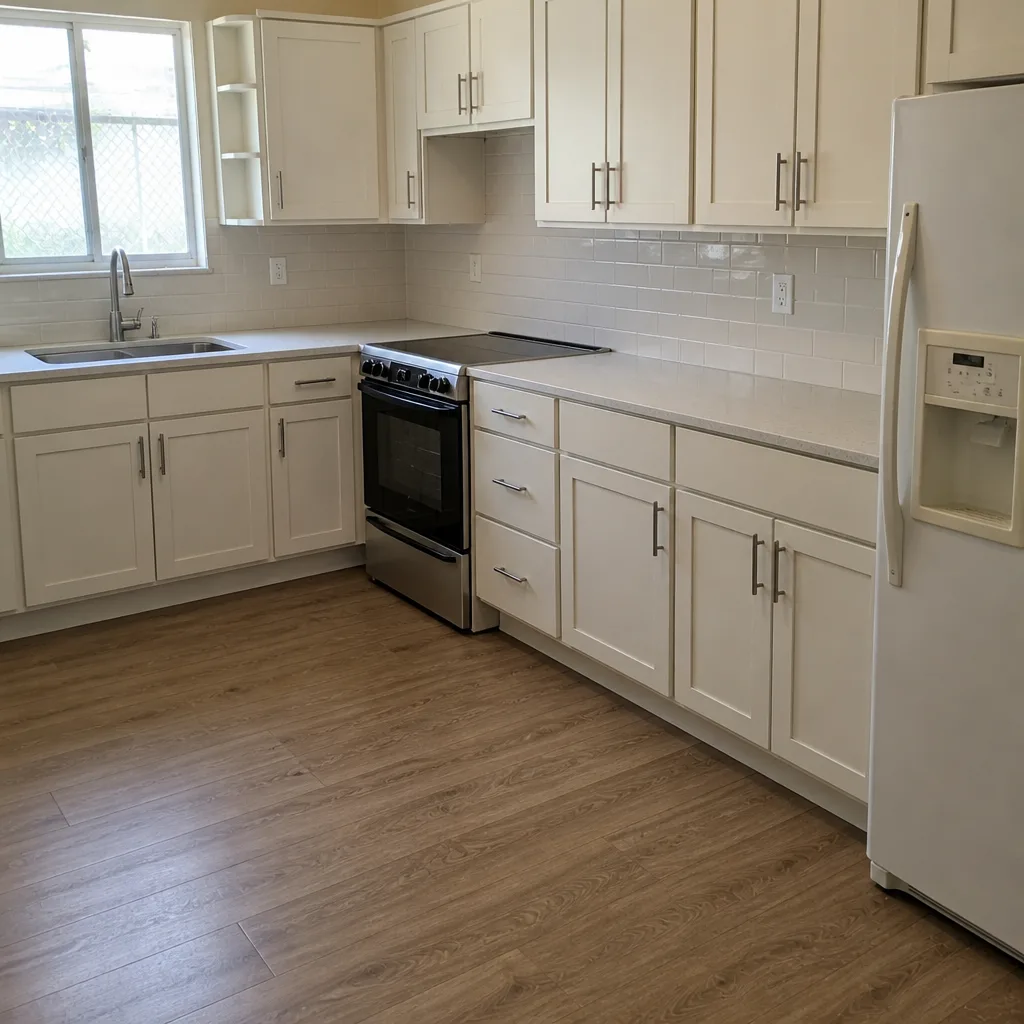 After
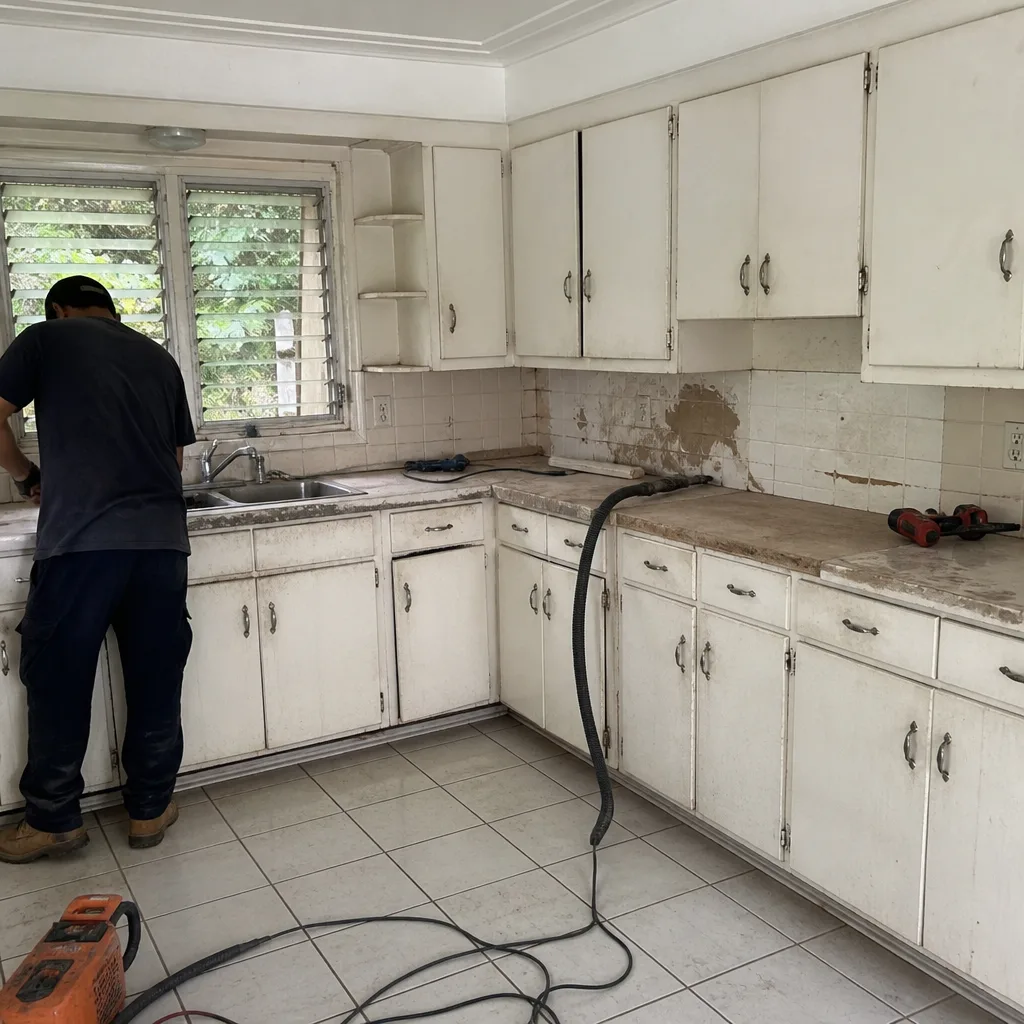 Before
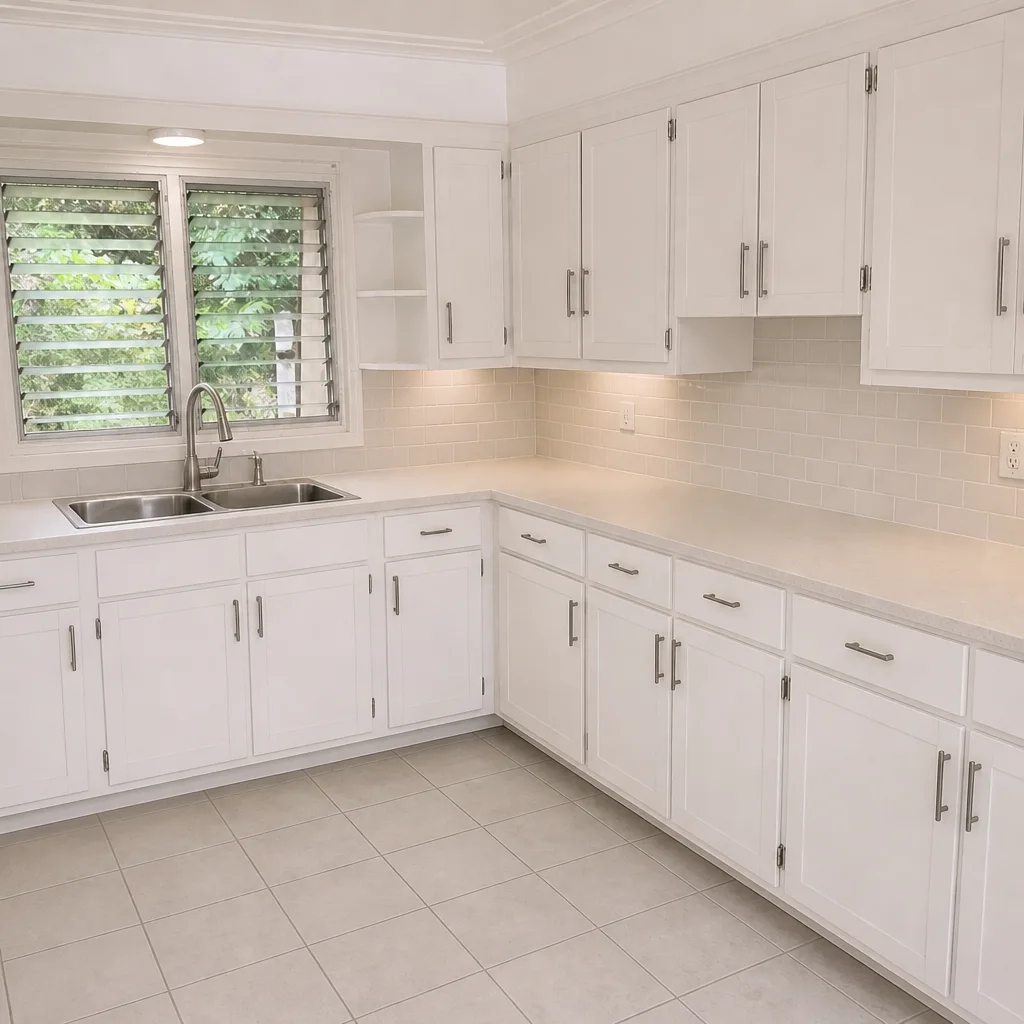 After
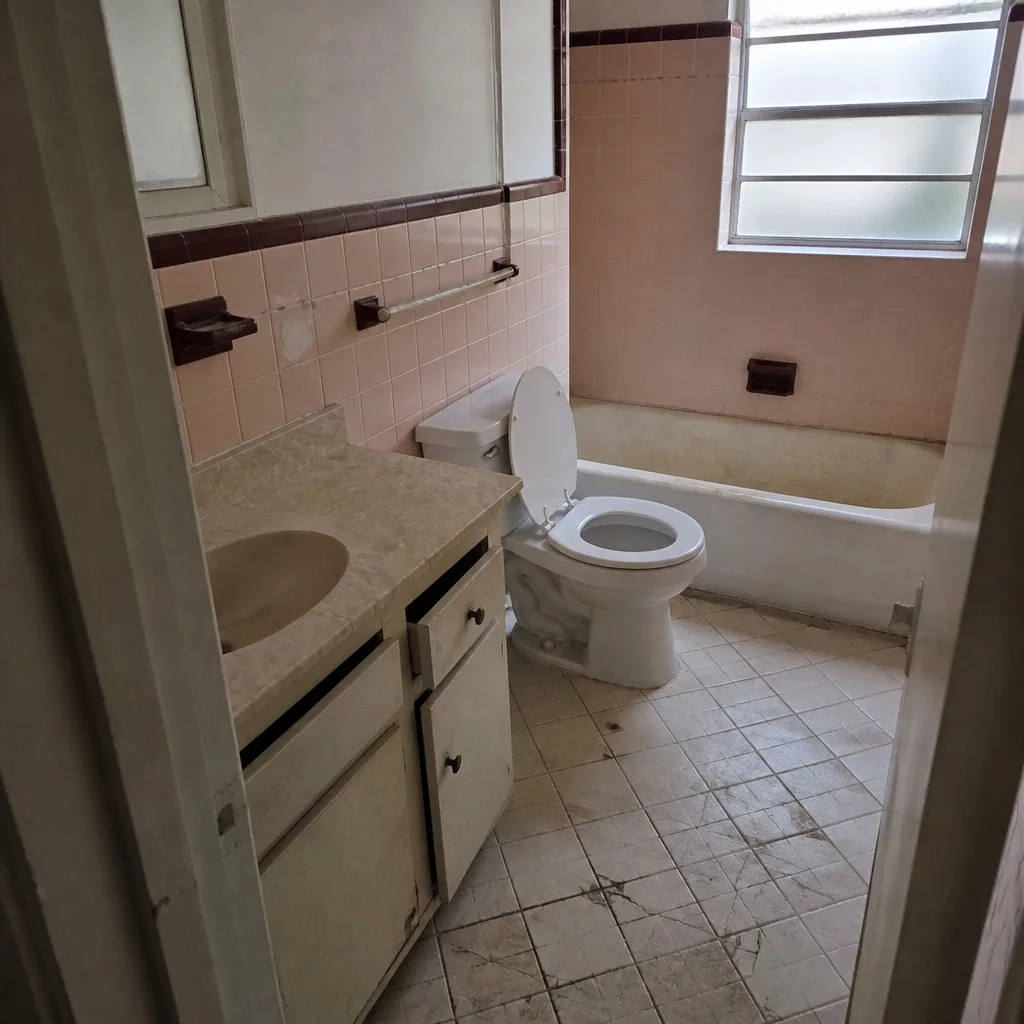 Before
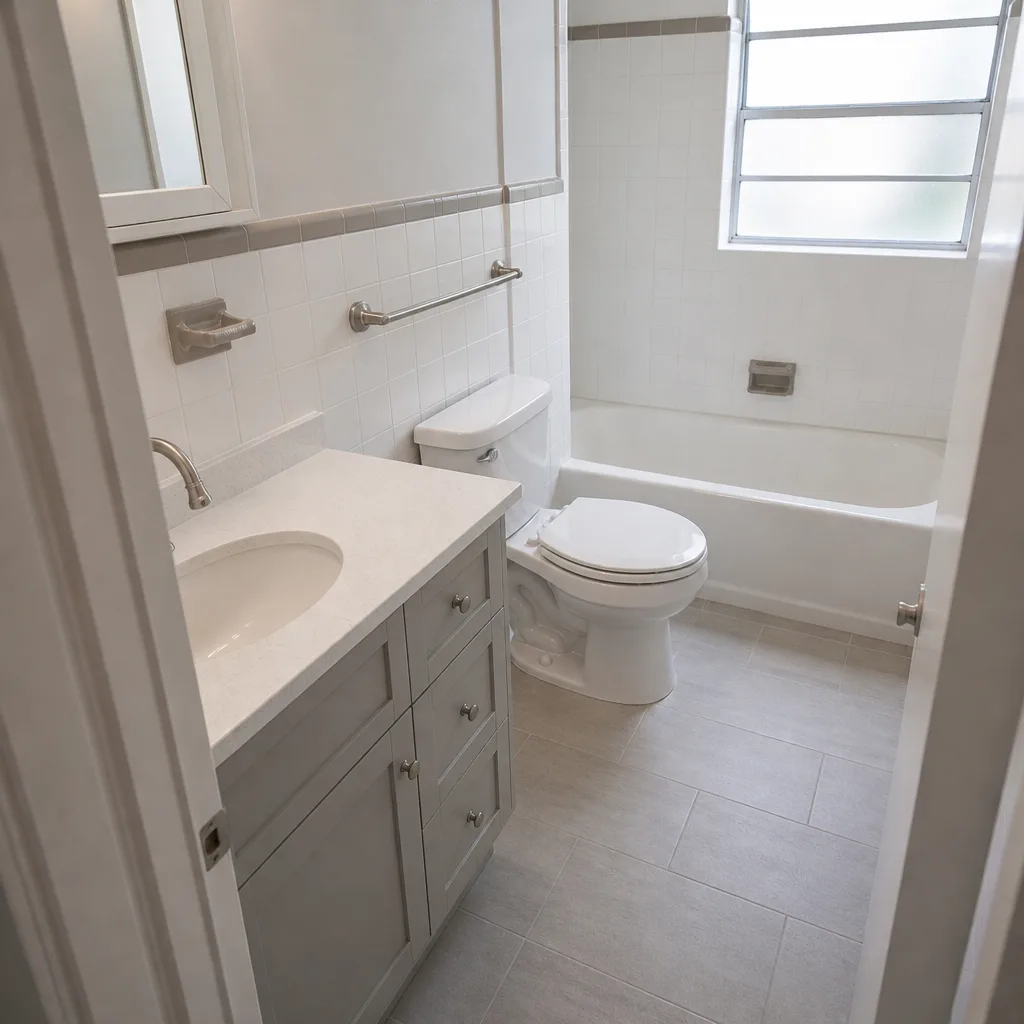 After
When to Call a Professional
Some decisions are fine to make on your own. Brand selection across a full exterior project usually isn’t, because the wrong choice is expensive to unwind. Call a professional when you’re comparing roof systems and need the NOA scope checked against your assembly, when you’re specifying windows and doors and need opening approvals, when your exterior selections need to align with Coral Gables design review expectations, or when you’re coordinating multiple trades on one schedule. Coral Gables Construction offers free estimates in Coral Gables and can bring brand options across seven trades to the table. That means one accountable contractor for the driveway, the fence, the windows, the roof, and the rooms inside. Call (844) 797-9523 to start. We answer 24/7. Fast dispatch from 7am to 7pm, Sunday through Friday.
Frequently Asked Questions
There isn’t one best brand across every trade. The best brand is the one whose product carries an approval matching your specific application and whose assembly is approved for South Florida conditions. Roofing and windows reward premium systems; pavers and fencing often perform well at mid-tier. Comparing named options per trade is the right approach.
A Miami-Dade Notice of Acceptance documents that a product has been tested and approved for the county’s high-wind environment. Your inspector will look for it, and the approval scope determines whether the product is code-compliant for your specific installation. Read the substrates, methods, and design pressures, not just the wind number.
Miami-Dade County code sets minimum opening protection standards that generally require impact-rated products in most applications. Product selection should match the opening size, installation detail, and building exposure. Impact-rated brands like PGT, CGI, and ECO Window Systems publish approvals that support the residential installations common in Coral Gables.
Timelines depend on scope, permitting, and product lead times. A roof replacement usually runs days rather than weeks; a full exterior project involving cladding and hardscape runs longer. Permits pulled and inspections passed are part of the schedule, not separate from it. Ask for a written schedule with milestones before work begins.
The written estimate sets the price. A reputable contractor will put scope, product specifications, and allowances in writing before starting, so changes reflect real decisions rather than surprises. Ask for line-item detail on brand selections and installation assemblies so you know what you’re approving.
Specifying by name means the contract lists the manufacturer and product line, not just a category. “Tile roofing” is a category; a specific manufacturer’s product with a specific NOA number is a specification. Named specifications protect you if a substitution is proposed and give you a basis for warranty registration.
The Bottom Line
Choosing construction brands in Coral Gables is a performance specification exercise, not a brand loyalty test. Read every Miami-Dade Notice of Acceptance for scope rather than the headline wind number. Match brand tier to trade, keeping premium dollars for roofing, windows, plumbing fixtures, and countertops where longevity is measurable, and using mid-tier products where they perform comparably. Respect the city’s architectural standards before you commit to finishes, and work with a contractor who can register warranties and bring multiple named options to the table. One contractor across every trade keeps the schedule honest from the driveway to the roofline.
Call (844) 797-9523 for a free estimate. We answer 24/7. Fast dispatch from 7am to 7pm, Sunday through Friday. Our technicians have up to 12 years of experience, and every estimate is a written, line-item proposal so you know exactly what you’re approving.
Written by the team at Coral Gables Construction.