Last updated November 17, 2026

Free written scope consultation - allowances, timeline, and change-order rules on paper before a single trade is scheduled
Construction Cost Breakdown: The Coral Gables Homeowner’s Reference for 2026
Most Coral Gables homeowners walk into a construction project expecting a number close to what an online calculator told them, then discover the actual contract lands well above it. The gap is rarely builder markup. It comes from a bundle of costs that generic calculators never ask about: architectural review overhead, impact-rated material requirements, and the carrying costs of holding a property through a long city review. This guide breaks down where the money goes, trade by trade, so you can budget from the same set of numbers the professionals use. We wrote it for homeowners making a serious investment in a Coral Gables property, not for light cosmetic updates.
Quick Answer
Construction costs in Coral Gables run higher than the broader Miami-Dade average because of mandatory impact-rated material standards, the architectural review and permitting process, and a premium labor market built around those requirements. A typical full-scope renovation or addition is budgeted per job by a written, line-item estimate rather than by a per-square-foot rule, and the estimate you sign is what sets the final price. Knowing the line items before you request bids is what stops the sticker shock.
Styles & brands we work with
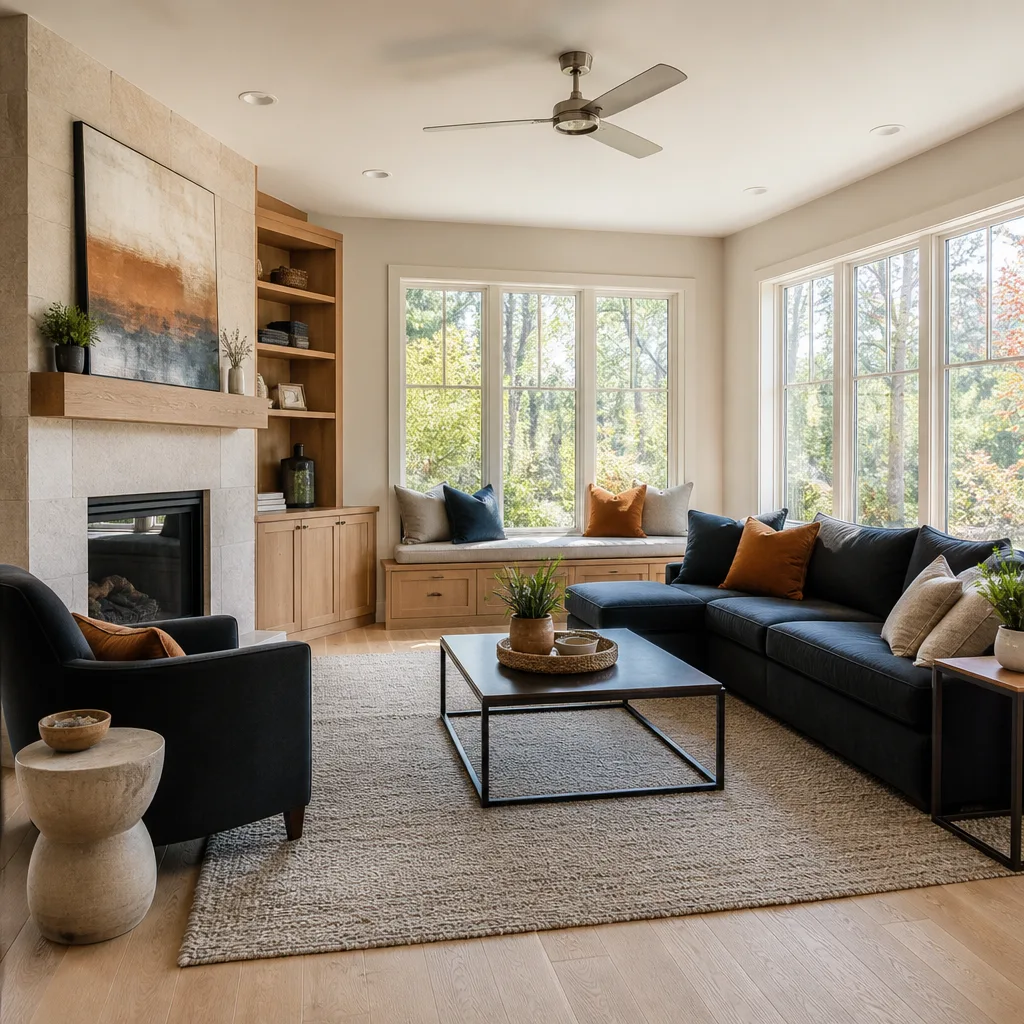
- Kitchen remodeling
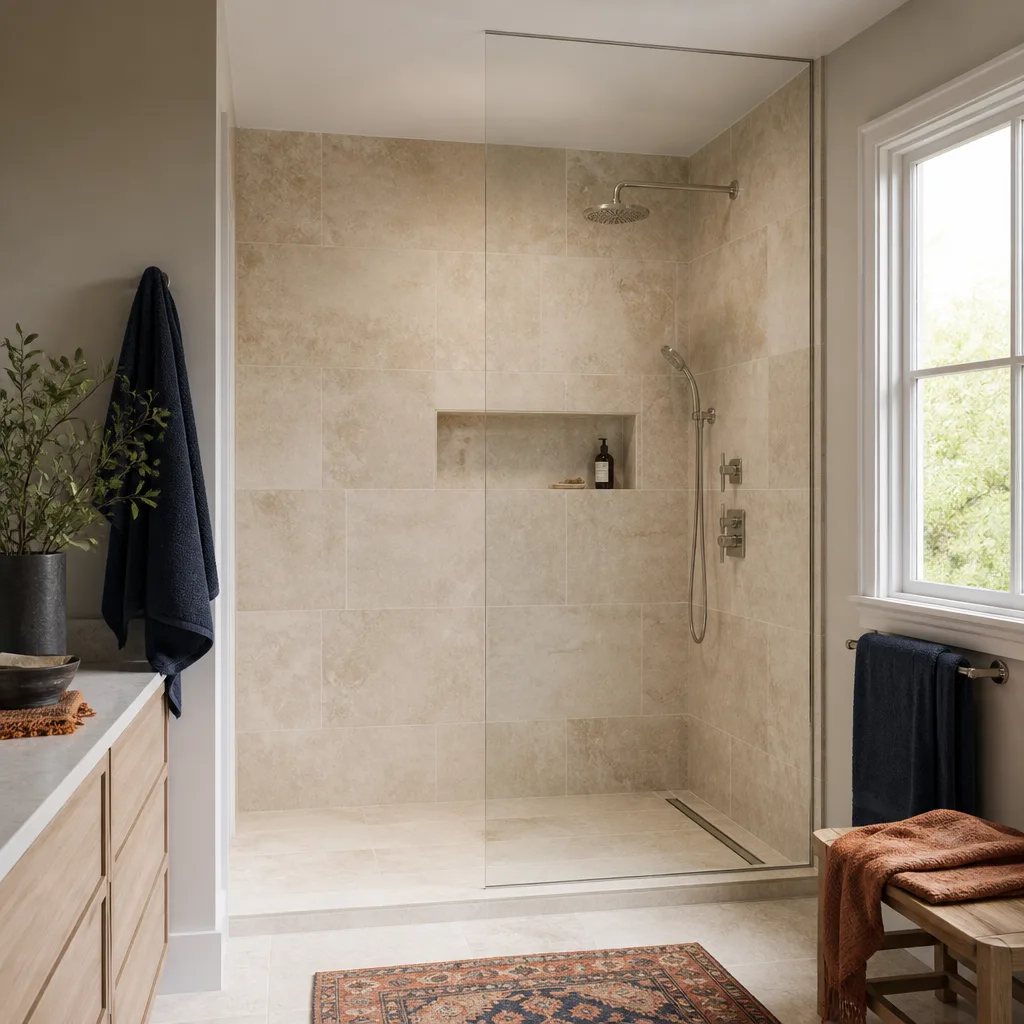
- Bathroom remodeling
- Home additions & ADU
- Roofing
- Windows & doors
- Driveway & pavers
- Fence
Table of Contents
- Why Do Construction Costs Run Higher in Coral Gables?
- What Does Each Trade Cost in Coral Gables?
- What Does Permitting and Architectural Review Really Add?
- Where Do Impact-Rated Requirements Add Cost, and Where Don’t They?
- Full-Scope Contracting vs. Managing Trades Yourself: What’s the Real Math?
- Which Cost Variables Do Coral Gables Homeowners Underestimate?
- How Do You Budget a Coral Gables Project Step by Step?
- Common Mistakes to Avoid
Why Do Construction Costs Run Higher in Coral Gables?
Construction in Coral Gables costs more than neighboring parts of Miami-Dade for three structural reasons, and none of them is a contractor padding a bid. The first is material specification. Coral Gables is a planned city with a strong architectural identity, and projects within it are held to standards that rule out the cheapest option in several categories. The second is the review process. Work that has to clear architectural review and city permitting carries real overhead in fees, time, and revision cycles. The third is the labor market. Skilled tradespeople who are dependable enough for high-standard work charge accordingly, and that premium is baked into every trade.
None of this is arbitrary. The standards exist because substandard work gets rejected during inspection, which costs everyone more in the long run. The practical effect for you is that the right comparison isn’t Coral Gables against a national per-square-foot average. It’s Coral Gables against the cost of doing the job twice.
We’ve found it helps to separate your budget into two buckets. The first is the construction itself: materials, labor, and finishes. The second is the process: permits, architectural review, revisions, and the time your property sits in that pipeline. Homeowners who only budget the first bucket are the ones who come up short. Budget both from day one and the project holds its shape.
One more thing to keep in mind: because the material standards are high, the brand portfolio behind a project matters. Choosing between multiple manufacturers per trade – rather than accepting a single take-it-or-leave-it option – is how you compare apples to apples and see whether the premium you’re paying is buying what you think it is. That’s a big part of how we approach a Coral Gables project, from the driveway to the roofline.
What Does Each Trade Cost in Coral Gables?
The single biggest mistake in cost planning is treating construction as one number. It isn’t. Each trade carries its own material standards and labor intensity, and in Coral Gables the standards are higher than most of Miami-Dade. Below is how the seven trades that make up a typical full-scope project break down, and what drives the cost in each. Every figure here is an estimate, and the written line-item estimate you receive is what sets the final price per job.
Driveway & Pavers
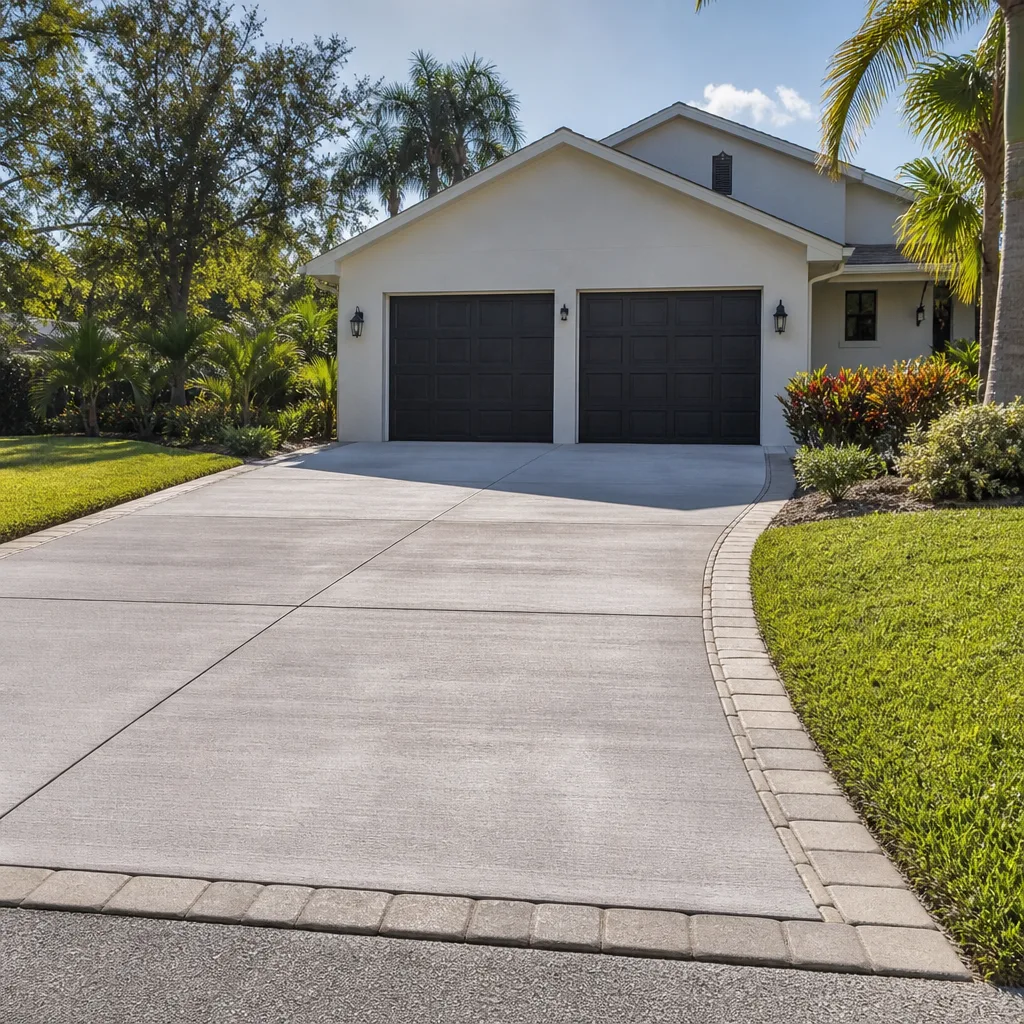
Paver work is one of the few trades where homeowners have real material choice at different price points. Brands like Cambridge Pavers and Oldcastle give you options, and the base preparation – not the surface – is where quality is won or lost. A properly compacted base with the right bedding material (Quikrete and Sakrete both make products that show up in this layer) is what keeps pavers from settling. Canopy trees and soil variability are the two variables that move this number most in Coral Gables, and we cover both later. See our driveway & pavers work if you want to dig into the specification side.
Fence Installation
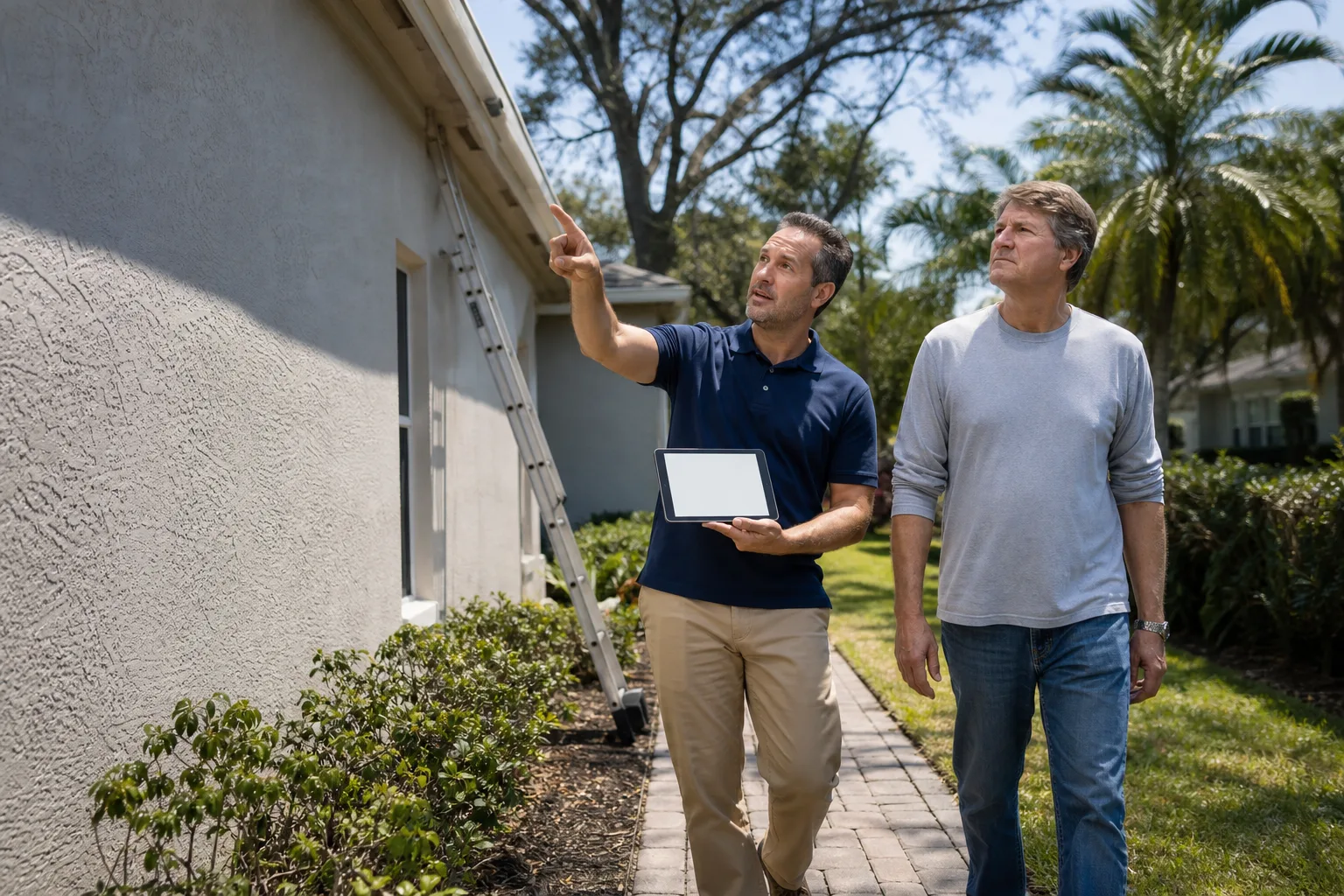
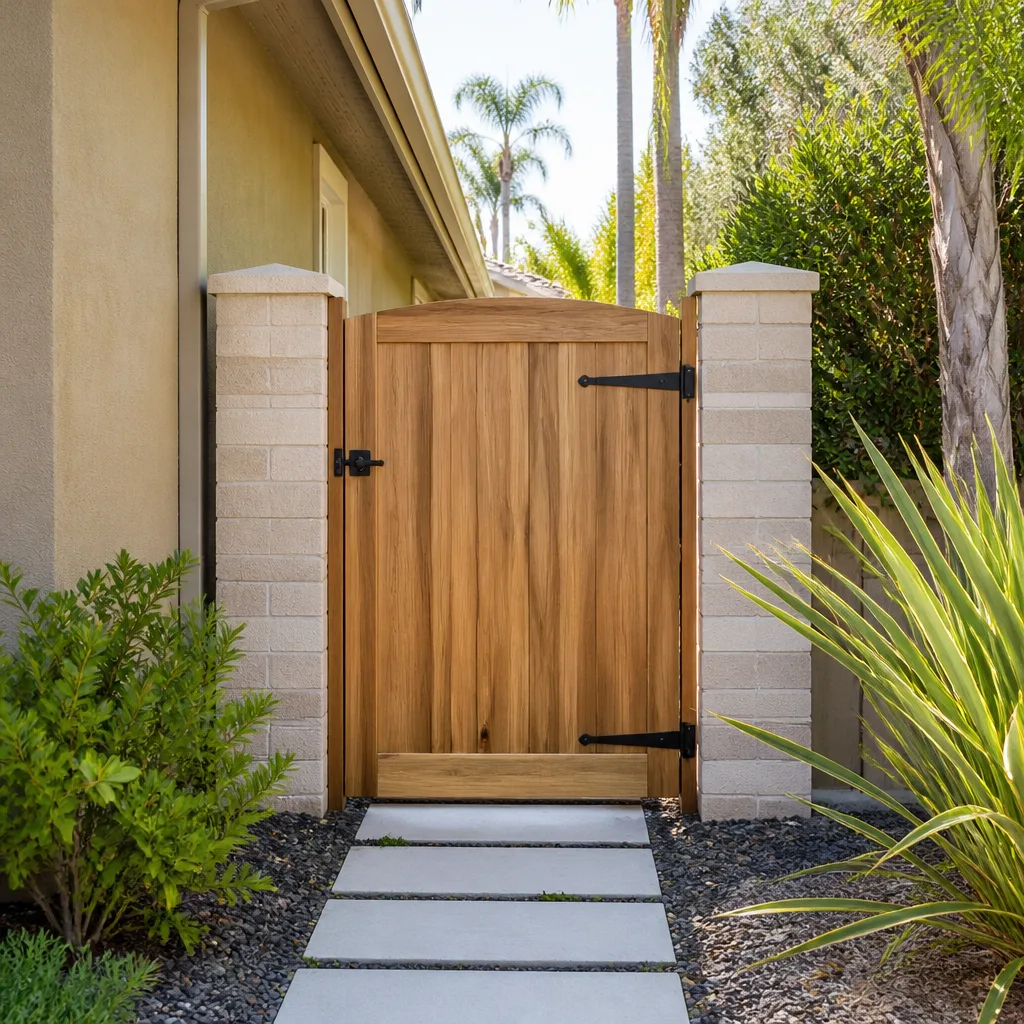
Fencing is driven almost entirely by material, linear footage, and existing conditions. Do you have mature hedges or root systems to work around? Is the existing fence removed, and where does the debris go? Those questions move the number more than the fence style itself. Our fence installation approach starts with a site walk so the estimate reflects the ground you actually have.
Home Additions & ADUs
Additions and accessory dwelling units carry the widest price spread of any trade because they combine new structure, finish, and the full permitting load. This is also where the custom-versus-prefab decision has the biggest cost impact. Prefab and modular platforms can bring more predictability to the build side, while custom construction gives the most design flexibility. Either way, plan for the review timeline. If you’re weighing this, bring your addition plans – or let us build the case for one – through our home additions & ADU team.
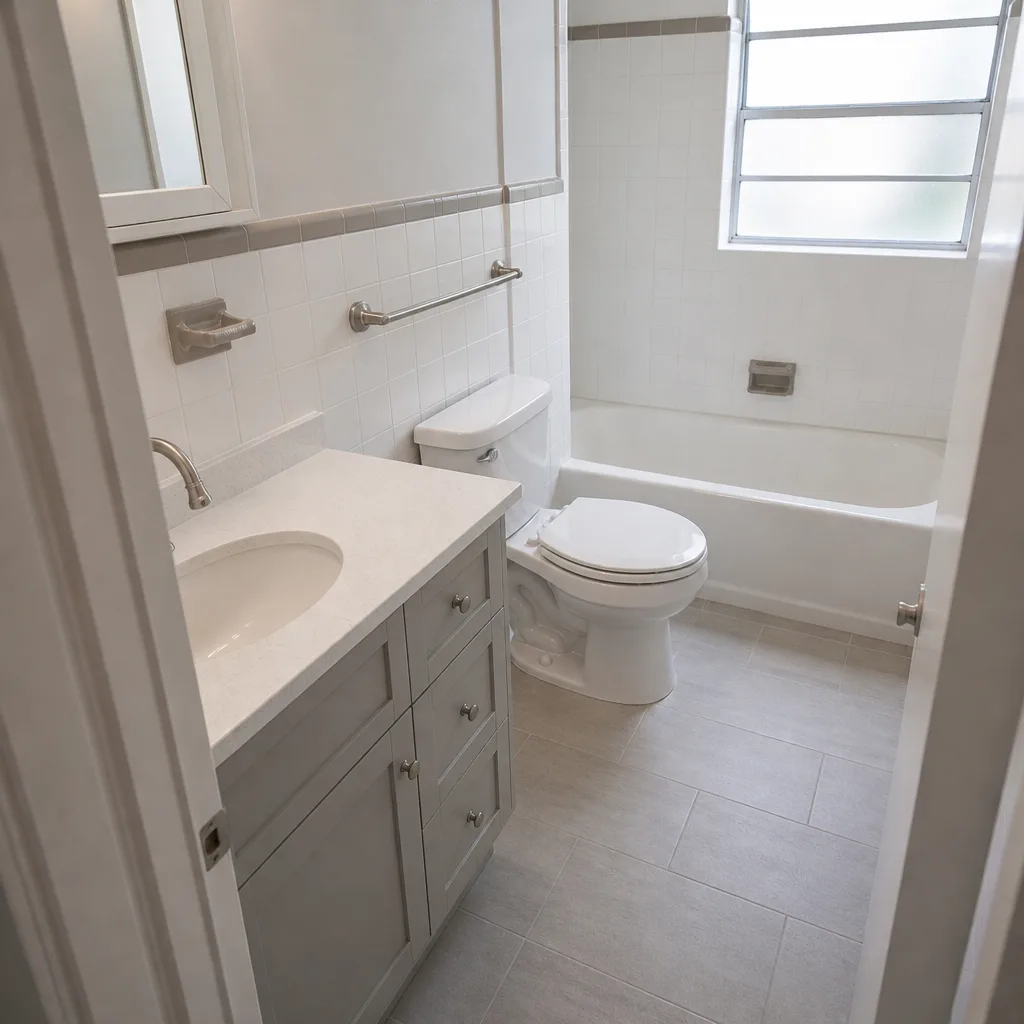
Bathroom and Kitchen Remodeling
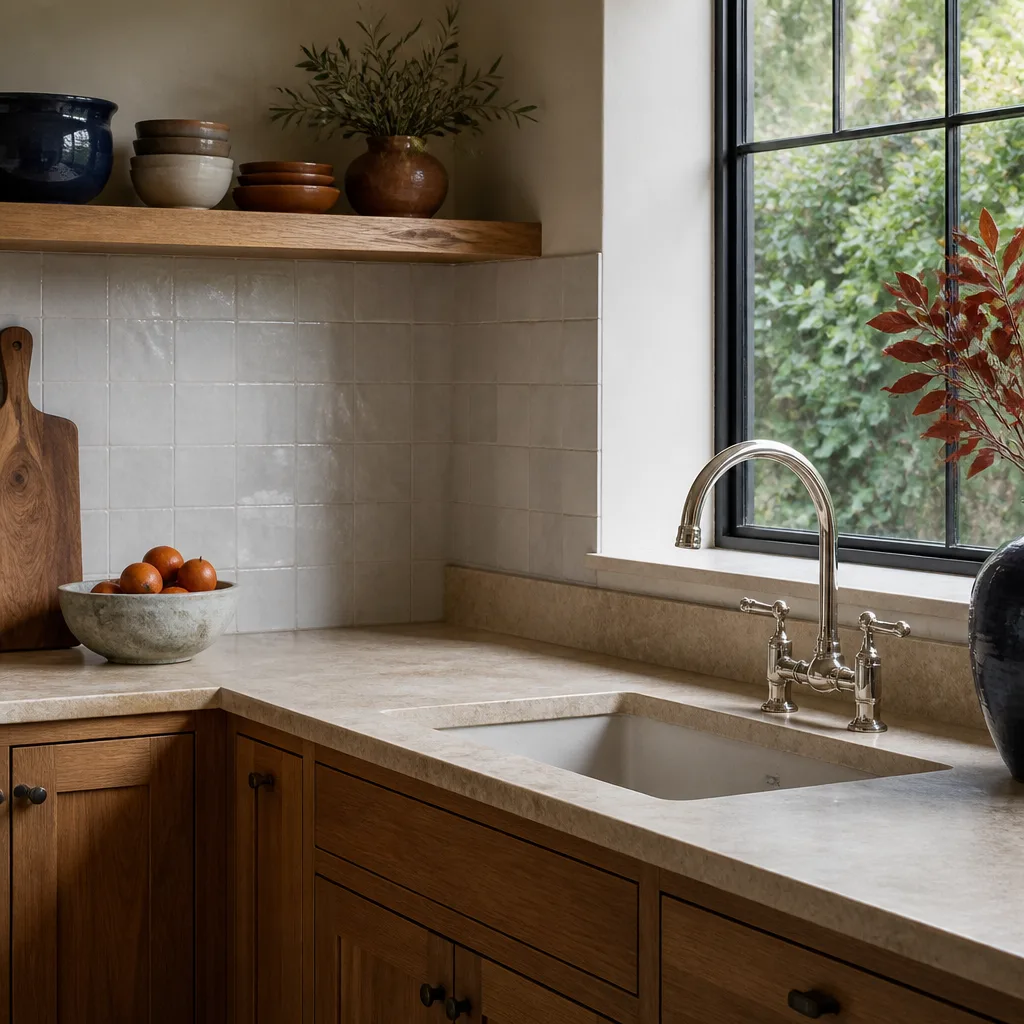
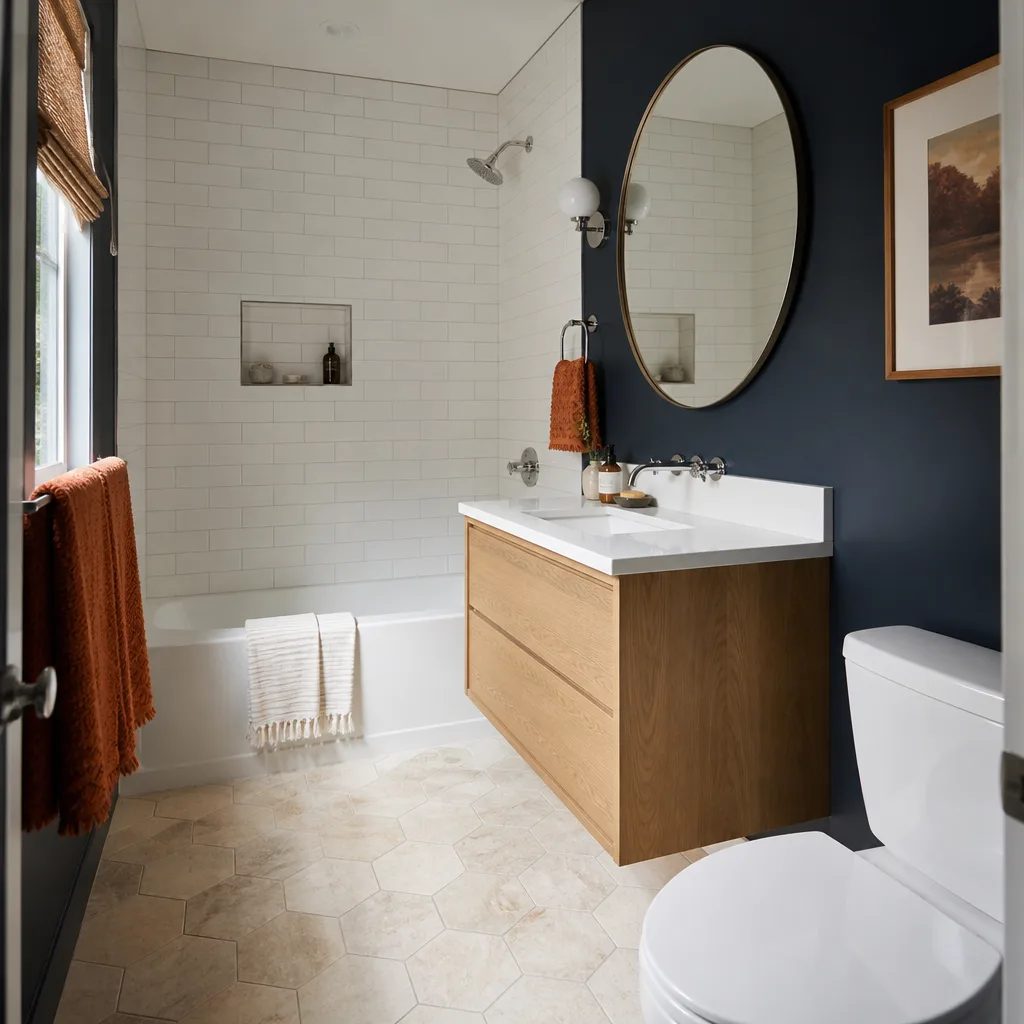
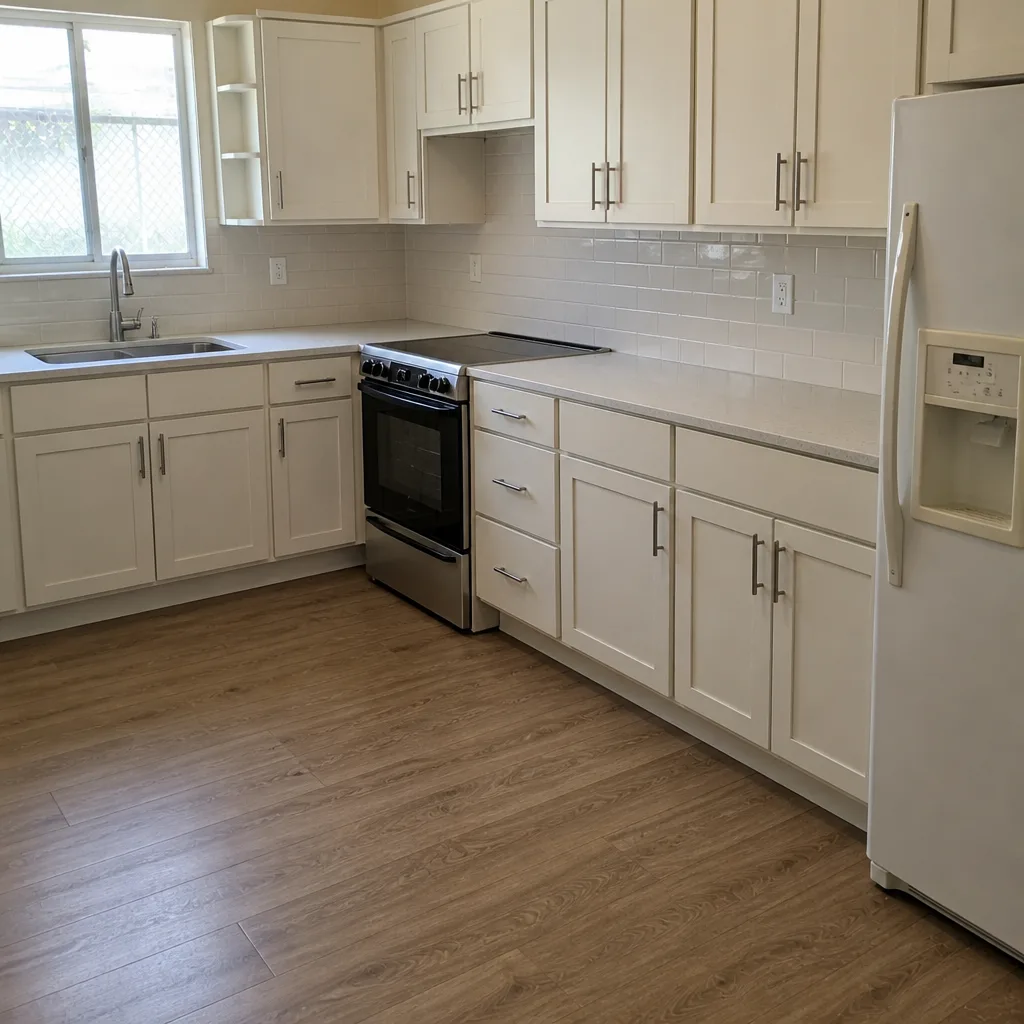
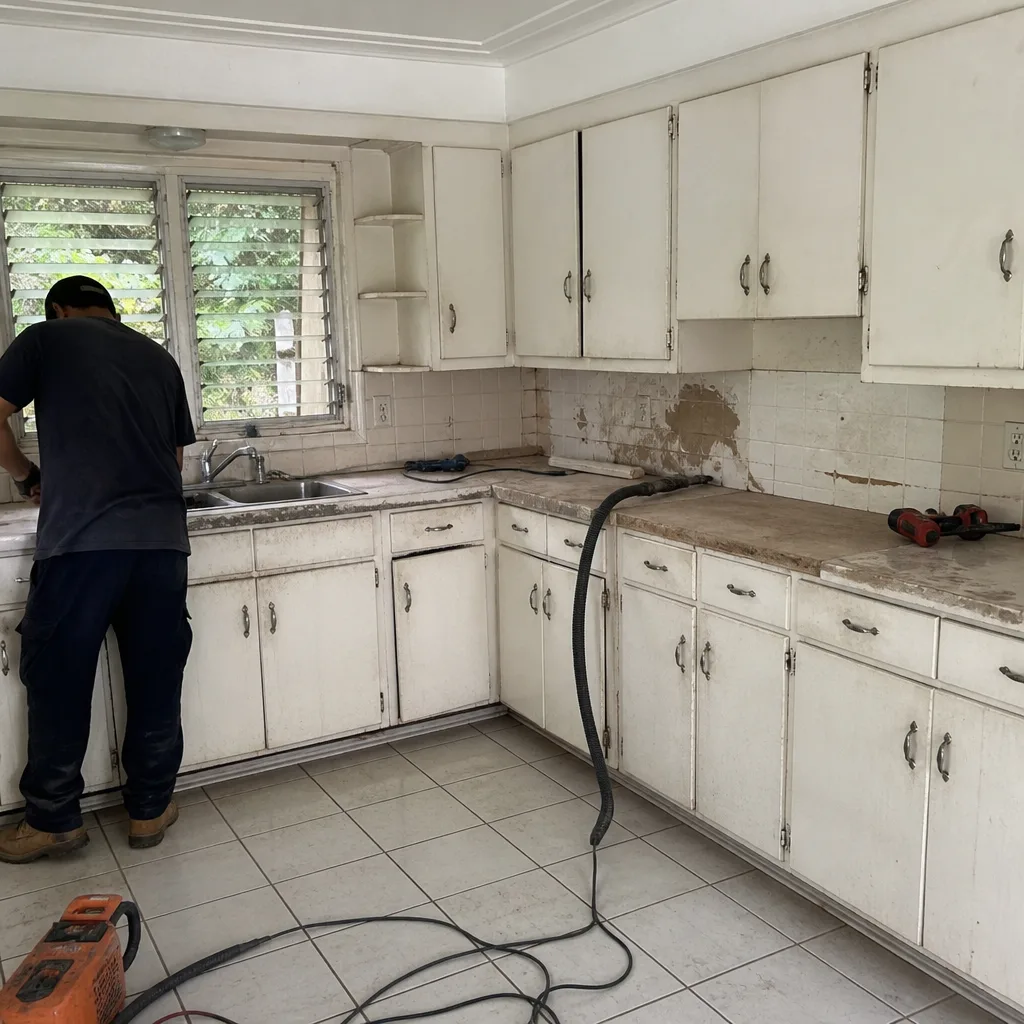
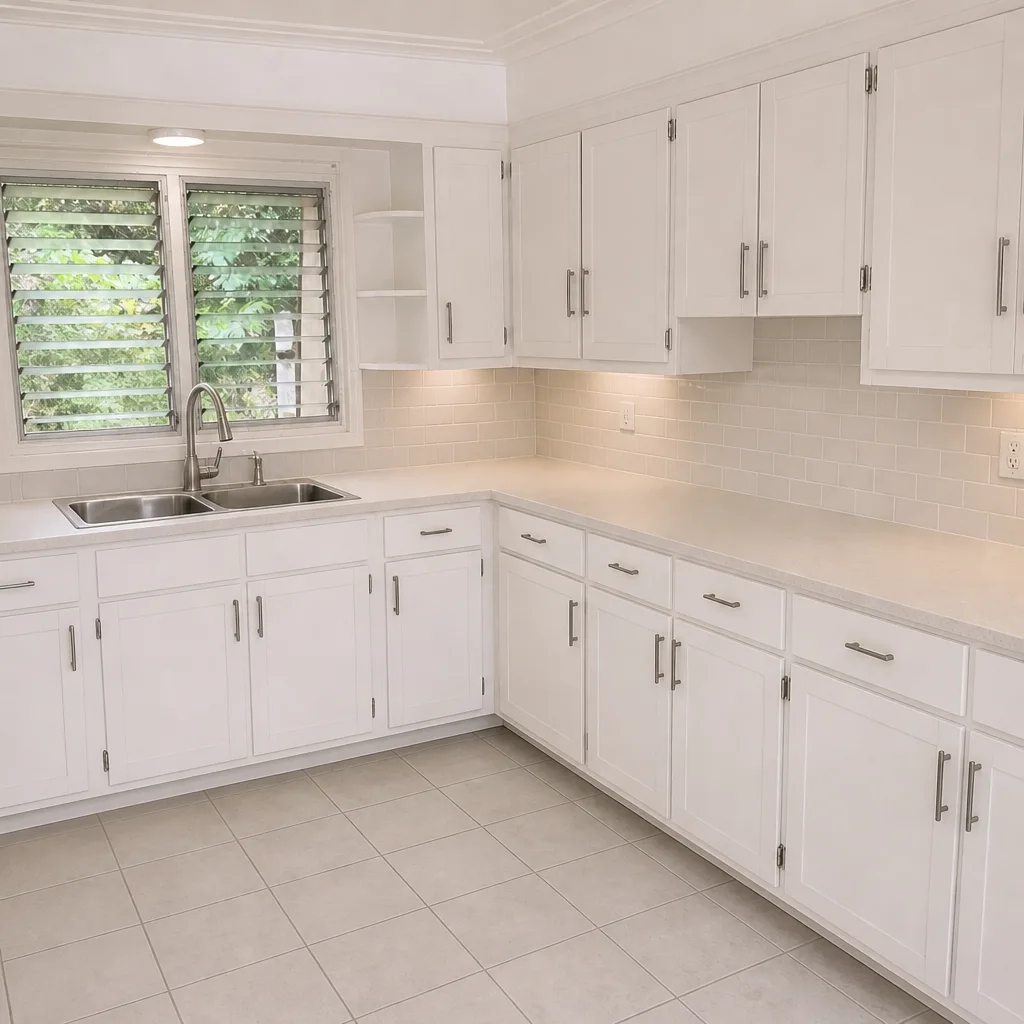
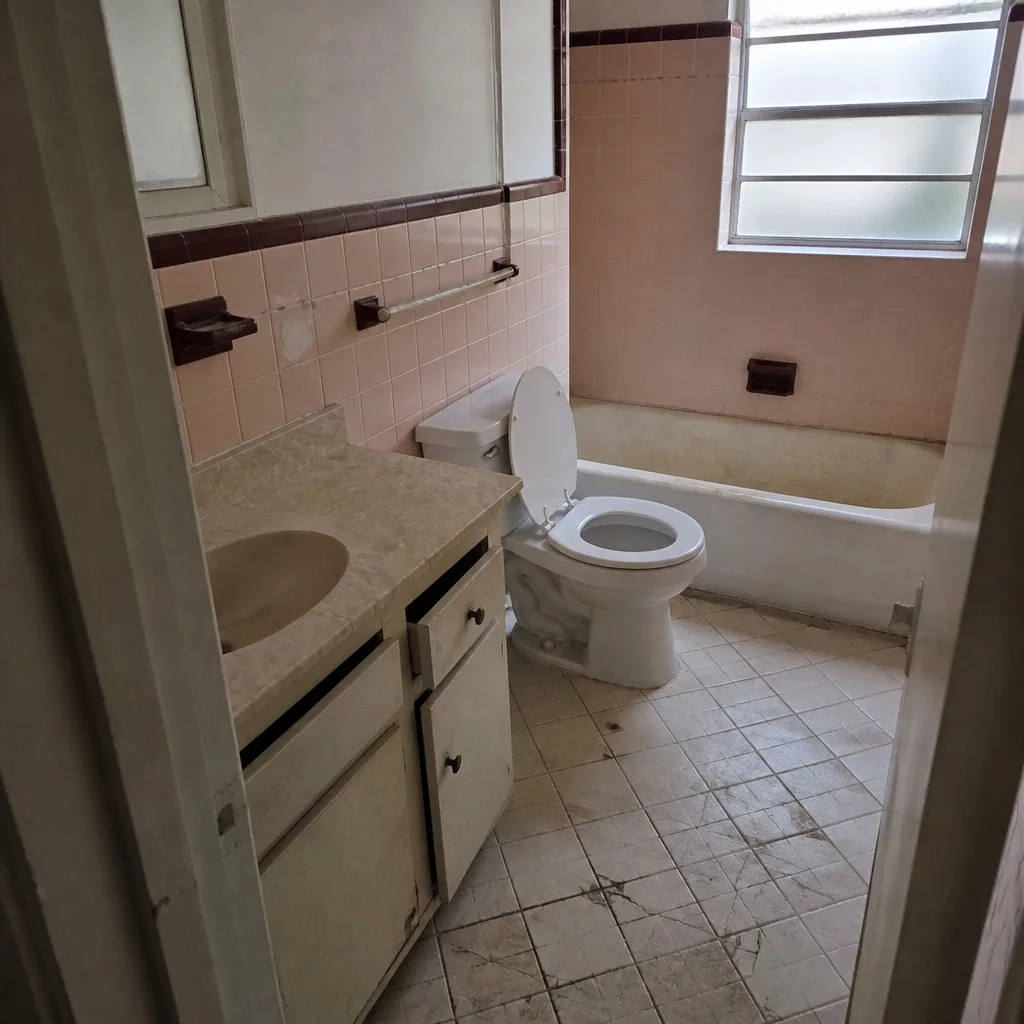
Kitchens and baths are finish-driven, and finishes are where budgets quietly drift. Specifying trade-grade cabinetry and fixtures – KraftMaid or Wellborn for cabinets, Kohler, Toto, or Grohe for fixtures, Cambria, Silestone, or Caesarstone for counters – gives you professional-grade components instead of big-box substitutes, and it also gives you a clear price ladder to choose from. The cost difference between two kitchen quotes is almost always in the cabinet line, the countertop material, and the fixture tier.
Windows & Doors
Glazing is where the mandatory standards live. In Coral Gables you’re generally specifying impact-rated products, and brands like PGT, CGI, and ECO Window Systems sit in that category. Standard residential swaps cost less but may not meet the requirement for your project. The cost driver is the spec, not the labor – installation is a smaller share than the product itself.
Roofing
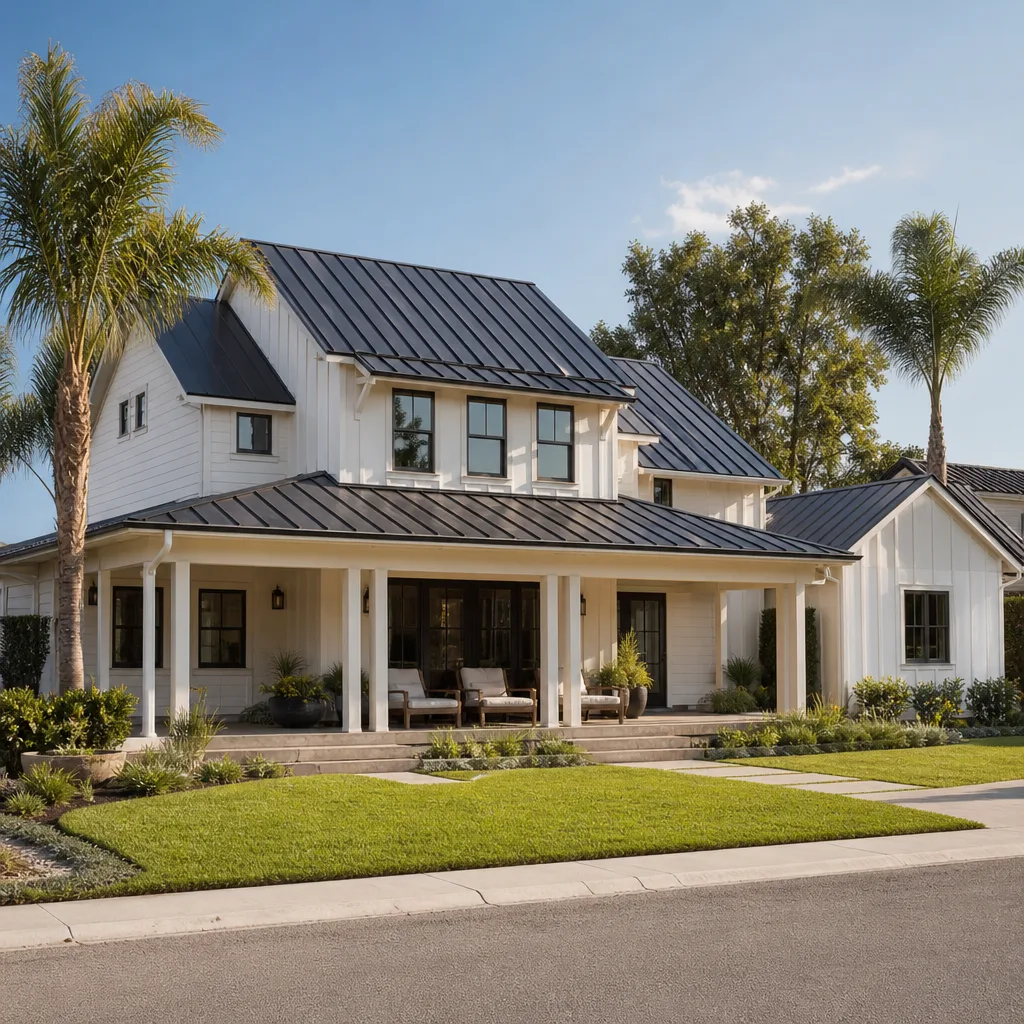
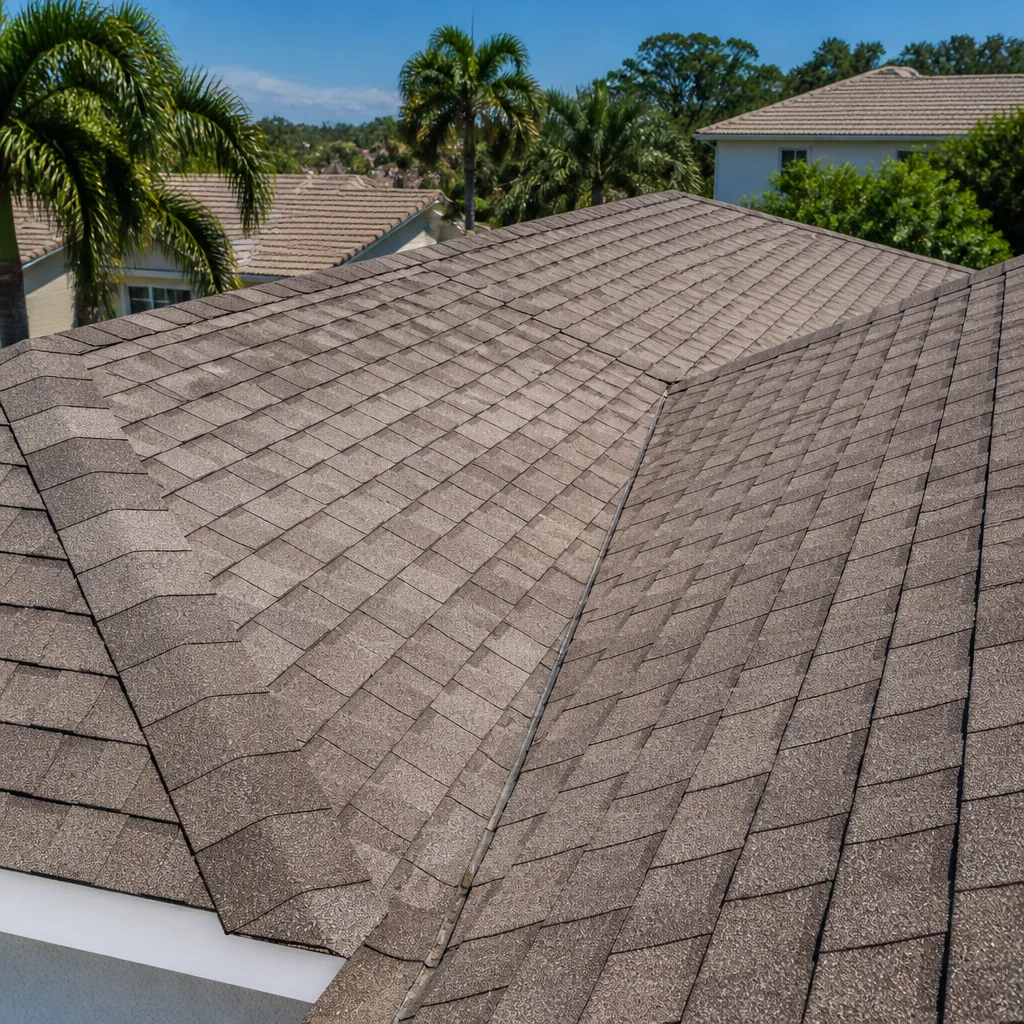
Roofing cost is driven by roof type, pitch, deck condition, and the product line. Multiple manufacturer options – GAF, CertainTeed, Owens Corning – let you compare on wind rating, warranty terms, and price rather than accepting whatever line is quoted. The unknown that moves the number most is what the deck looks like once the old roof is off.
What Does Permitting and Architectural Review Really Add?
Permitting and architectural review add real money and real time to a Coral Gables project, and they’re the line items most online calculators skip entirely. The fees are one part. The carrying costs during review are the other, and they’re often larger. The form the work takes, the number of revision cycles, and how early you submit all affect the total.
Here’s how the process typically goes, and where the cost lands:
- Design and documentation. Drawings and specifications have to be complete enough to pass review. Gaps here get caught later and cost more to fix.
- Architectural review. Projects in Coral Gables are evaluated against city standards. Getting the submission right the first time saves a revision cycle.
- Permit application and fees. City permit fees attach to the application, and they vary with project scope.
- Review period. During this time the property may sit without active construction. If the homeowner is carrying a mortgage or holding a rental unit, that time has a cost.
- Revisions, if any. A rejected submission means revised drawings, resubmission, and more review time. This is where budgets most often break.
- Inspections. Work is inspected in phases, and failures trigger re-inspection and rework.
The carrying cost during review is the piece homeowners forget. Time is a line item even when no invoice arrives, and a well-planned submission is the best defense against unnecessary cycles. Don’t guess at permit rules – ask your city’s building department directly, and build the response into your budget. Work that clears this process cleanly, permits pulled and inspections passed, is what lets a project finish on a schedule instead of stalling.
Where Do Impact-Rated Requirements Add Cost, and Where Don’t They?
Miami-Dade sits within the High-Velocity Hurricane Zone, which drives mandatory material standards in specific categories. The practical question for budgeting is which items carry that premium and which don’t. Not every line item in your budget is subject to the same specification, and knowing the difference keeps you from over-budgeting on the wrong side.
Where the premium typically applies:
- Windows and doors. Impact-rated glazing is standard for this market, and it carries a higher product cost than standard residential windows. Brands like PGT, CGI, and ECO Window Systems are built for this spec.
- Roofing. Roof assemblies are specified to meet wind requirements, which affects product selection and installation.
- Structural attachments and openings. The hardware and attachment methods used around openings are held to the same standard.
Where you generally have more standard options:
- Interior finishes. Cabinet lines, countertops, tile, and paint run on standard trade-grade specifications.
- Pavers and hardscape. Paver selection is more about base preparation and material quality than about impact rating.
- Decorative elements and trim. These typically fall outside the mandatory impact category.
Once you separate the two, the impact premium stops looking like an across-the-board surcharge and starts looking like a defined line item with a finite scope. That’s a much easier budget to control. Your specific project still has to meet its own requirements, so confirm the spec with your municipality rather than assuming.
Full-Scope Contracting vs. Managing Trades Yourself: What’s the Real Math?
Managing individual trades looks cheaper on paper. Add up the line items and the sum often comes in below a full-scope bid. The gap closes fast once you account for what the arithmetic leaves out: coordination time, schedule gaps, and the markup stacking that comes with layering specialists.
Here’s where the hidden costs live:
- Coordination hours. Someone has to schedule the roofing crew after the framing crew, confirm the inspections in between, and handle the callbacks. If that someone is you, the hours are real even if no invoice arrives.
- Schedule extension. Each trade transition is a chance for a gap. Gaps add days, and days add carrying costs.
- Scope gaps. Where one trade’s work ends and another’s begins is where finger-pointing starts. On a single-contract project, that boundary is the contractor’s problem, not yours.
- Markup stacking. Specialty subs each carry their own overhead. Structure the project as separate contracts and you pay that overhead multiple times.
- Warranty boundaries. With one contractor, accountability is single. With several, you spend time working out whose work failed.
In our experience, the trades where the coordination overhead is highest are the ones where exterior work meets interior work – roofing over the top of an addition, windows and doors feeding into a kitchen remodel, a driveway meeting a new fence line. One contractor covering all of it means one schedule, one inspection sequence, and one accountable party if a problem surfaces later. For a serious Coral Gables project, that consolidation usually saves more than it costs. If you want a single point of contact across these trades, see how we approach Coral Gables Construction as a multi-trade contractor.
Which Cost Variables Do Coral Gables Homeowners Underestimate?
The line items you plan for rarely blow a budget. The variables you don’t plan for do. Below are the ones we see catch Coral Gables homeowners most often, along with how to factor them in from the start.
Existing condition unknowns
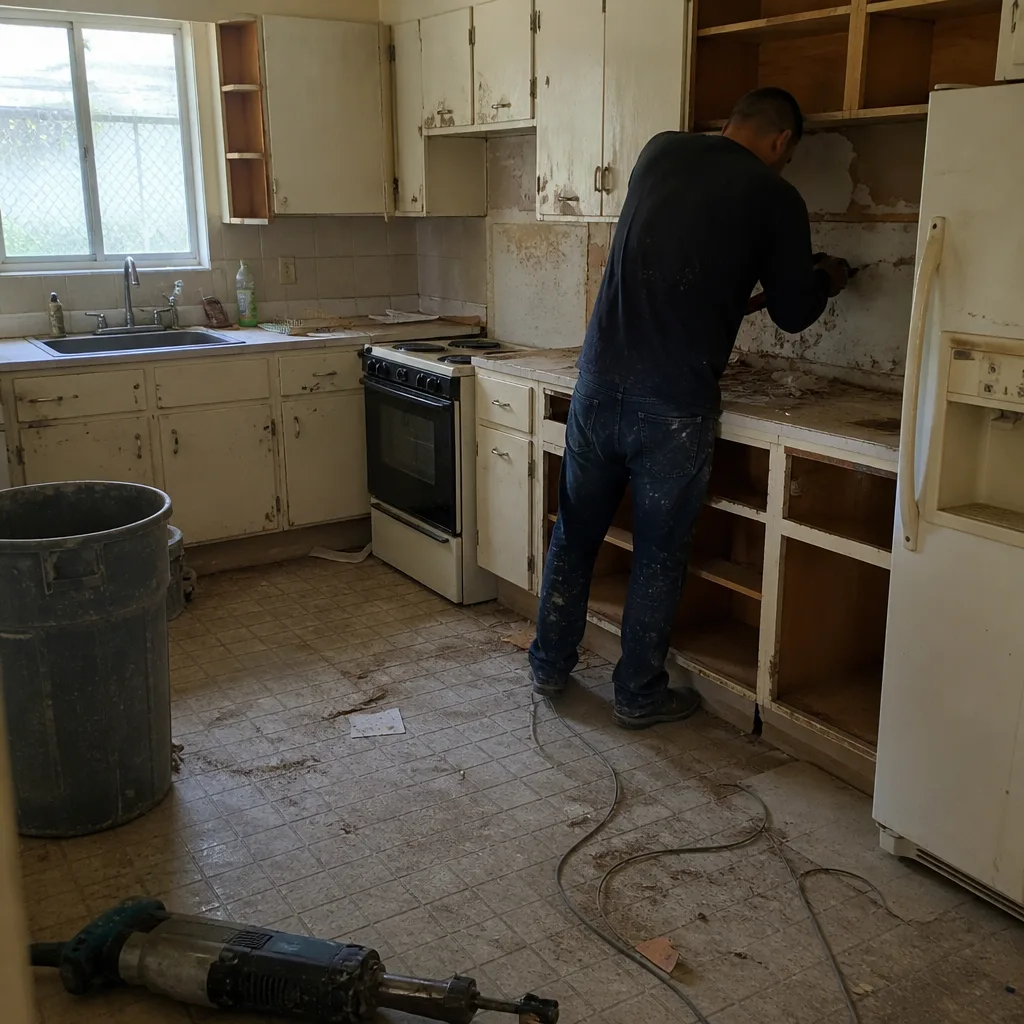
What’s behind the wall, under the floor, or beneath the old roof is a question until the demolition comes out. In older Coral Gables homes, plumbing and electrical may not match the era the rest of the house suggests. The fix is a contingency line in the budget, not a guess. Set aside a percentage for unknowns and treat unspent contingency as a win.
Canopy tree root interference
Coral Gables is known for its mature tree canopy, and that canopy has a root system. Root interference can affect foundation work, driveway and paver base preparation, and fence lines. It’s a real cost variable for exterior trades, and it’s one that only surfaces when the ground is opened. A site walk before the estimate is the only reliable defense.
Soil condition variability
Soil isn’t uniform across a property, and the depth and quality of the base layer under a driveway, patio, or addition foundation affects how much material and excavation a job needs. This is another variable that lives underground until work starts, and it’s why a pavers estimate built on a phone call is a poor guide to what the job actually involves.
Review timeline carrying costs
We covered this under permitting, but it bears repeating: the time a project spends in architectural review can carry a real cost, especially if you’re holding a vacant property or paying for alternate housing. Plan for it as a line item.
Finish creep
Countertops and cabinets are where budgets quietly drift. Choosing between Cambria, Silestone, and Caesarstone is a price decision as much as a style decision. Comparing options before you commit is how you keep the finish line where you planned it.
Since the Miami-Dade climate here is mild, you don’t lose construction season to a hard winter, but you do want to align exterior work with the drier stretch of the year so rain doesn’t stall a project and add carrying cost on the back end of the schedule.
How Do You Budget a Coral Gables Project Step by Step?
A budget that survives contact with a real project is built in order. Here’s the sequence we recommend, and it works whether you’re hiring one contractor for the whole scope or working through a phased plan.
- Define scope and priorities. Decide what’s essential and what’s optional. A trade-by-trade wish list lets you see what the project costs as scoped and what it costs with the extras.
- Separate construction cost from process cost. Two buckets: materials and labor in one, permits, review, revisions, and carrying time in the other. Budget both.
- Get line-item estimates per trade. A single lump sum tells you nothing. Ask for the breakdown so you can see where the money goes and compare options on the same material tier.
- Choose your brands deliberately. Multiple manufacturer options per trade – GAF, CertainTeed, Owens Corning on roofing; Belgard, Unilock, Tremron on pavers – let you compare on specification, warranty, and price rather than taking a single quote at face value.
- Add a contingency line. Reserve room for existing-condition unknowns and soil variability. The written estimate sets the final price for defined scope, but hidden conditions need a buffer.
- Confirm the review path early. Ask your city’s building department what permits and review your project requires, and factor in time and fees before work starts.
- Lock the scope and schedule. Agree on the trade sequence and inspection phases so no gap opens between crews.
Run this sequence before you compare bids and the numbers become comparable. If you want to see how this plays out across the trades you can source in one place, our team is set up to walk you through Coral Gables Construction one trade at a time.
Common Mistakes to Avoid
- Budgeting from a national per-square-foot calculator. National averages don’t carry the Coral Gables material standards or the review overhead. Build your budget from line-item estimates, not a formula. The sticker shock comes from the gap.
- Forgetting the carrying cost of the review period. If the property is vacant or you’re paying for alternate housing during architectural review, that time has a real cost. Budget it as a line item, not an afterthought.
- Skipping the site walk before accepting a paving or foundation quote. Coral Gables canopy roots and soil variability can move these numbers substantially. A quote built on a phone call is a guess dressed as a price.
- Comparing bids across different material tiers. One quote priced with a premium cabinet line and another with a basic one aren’t the same project. Insist on a line-item estimate so you’re comparing specifications, not labels.
- Underestimating the impact-rated line item. Windows and doors in this market carry a premium, and it’s a defined category, not a mystery surcharge. Knowing where it applies keeps it from ballooning.
- Piecemeal contracting to save on overhead. Managing each trade yourself can look cheaper on paper, but schedule gaps, scope boundaries, and repeated overhead usually eat the savings. Count the coordination hours before you commit.
- Leaving out the contingency. Existing conditions are the most common cause of budget overrun. A reserve for unknowns is what keeps a project on the number you planned, not a sign you over-budgeted.
See the difference
 Before
 After
 Before
 After
 Before
 After
When to Call a Professional
Some questions are answered on a call, and cost is one of them. Call a professional when you’re ready to move from rough budgeting to a real line-item estimate, when your project involves structural work, impact-rated glazing, or a full roof, when you’re weighing custom construction against a prefab or modular ADU, or when you’re juggling more than one trade and want a single accountable contractor instead of a chain of specialists. Also call before you commit to a scope you haven’t verified – a site walk often changes the budget in ways a phone quote can’t predict. Coral Gables Construction offers free estimates in Coral Gables – call (844) 797-9523. We answer 24/7. Fast dispatch from 7am to 7pm, Sunday through Friday.
Frequently Asked Questions
Because of mandatory material standards, the architectural review and permitting process, and a premium labor market built around high-standard work. None of these is a contractor markup; each is a real line item with a real cost. The best way to see the difference for your own project is a written line-item estimate – call (844) 797-9523, and estimates are free.
It depends on the finish tier you specify, since cabinets, countertops, and fixtures drive the bulk of the cost. Choosing between brands like KraftMaid or Wellborn for cabinetry, and Cambria, Silestone, or Caesarstone for counters, lets you see how each tier prices out. Call (844) 797-9523 for an exact quote built from your finishes and layout – estimates are free.
For defined scope, the written line-item estimate sets the final price, so a properly scoped job stays on the number you signed. The variable is existing conditions that surface during demolition – hidden plumbing, electrical, or soil issues that couldn’t be seen in advance. That’s why we recommend a contingency reserve. Call (844) 797-9523 to talk through scoping your project and where a reserve makes sense.
Yes – permits are pulled, inspections are scheduled in phases, and the work is documented to pass city review. In Coral Gables that process includes architectural review, so getting the submission right the first time is a priority. If you’re unsure what your project requires, ask your city’s building department directly. Call (844) 797-9523 to discuss the permit path for your scope.
It depends on the trade mix and the review timeline. Process time – architectural review, permit issuance, and phase inspections – runs on the city’s schedule and can be as significant as the build itself. The best estimate comes from a written schedule scoped to your project. Call (844) 797-9523 and we’ll walk through a realistic timeline with you.
Yes. Additions and ADUs are one of the trades we handle, and the scope covers both custom construction and vetted prefab or modular systems at different price points and timelines. Bringing your plans – or asking us to help build the case for one – is the right first step. Call (844) 797-9523 for a free estimate on your addition or ADU.
The Bottom Line
Construction costs in Coral Gables are higher than the Miami-Dade average for good reasons: mandatory material standards, the architectural review and permitting process, and a labor market that supports the kind of work the city expects. The way to budget for it isn’t a national per-square-foot guess. It’s a trade-by-trade, line-item view that separates construction cost from process cost, reserves room for the variables that live underground and behind the wall, and treats the review timeline as a real expense. Full-scope contracting usually comes out ahead once coordination overhead and repeated markups are counted. Visit our Coral Gables Construction hub for the trade-by-trade detail behind every section here, and the driveway & pavers, fence installation, and home additions & ADU pages for the specification detail in those trades. Then call (844) 797-9523 to schedule your free estimate. We answer 24/7. Fast dispatch from 7am to 7pm, Sunday through Friday.
Written by the team at Coral Gables Construction.