Last updated November 17, 2026



Free written scope consultation - allowances, timeline, and change-order rules on paper before a single trade is scheduled
How to Hire a Construction Contractor in Coral Gables: A Step-by-Step Guide
The contractor who wins the bid with the lowest number in Coral Gables is often the most likely to come back with a change order. That’s not a cynical take; it’s what happens when a project is priced without accounting for the city’s architectural review process, its material standards, and the inspection sequence that governs every residential build here. A low proposal isn’t a discount. It’s a scope that hasn’t been fully priced yet. This guide reframes the hiring process around the questions that actually separate a qualified Coral Gables contractor from an expensive lesson: license classifications, permit history you can verify, the scope document most homeowners sign without reading, and how to judge the subcontractor relationships that decide whether your project finishes on schedule.
Quick Answer
To hire a construction contractor in Coral Gables, verify the contractor holds the correct Florida license classification for every trade in your project, pull their actual permit history from Miami-Dade County records rather than trusting a resume, and require a written scope of work that names materials, brands, and review timelines before you sign. The right contractor for a Coral Gables project is the one who can explain how the city’s architectural review affects your schedule, not the one with the lowest proposal.
Styles & brands we work with
- Kitchen remodeling
- Bathroom remodeling
- Home additions & ADU
- Roofing
- Windows & doors
- Driveway & pavers
- Fence
Table of Contents
- Why Standard Hiring Advice Fails in Coral Gables
- Florida License Classifications: What Each One Actually Covers
- How to Verify a Contractor’s Real Permit History
- What a Scope of Work Must Include Before You Sign
- Coral Gables Red Flags: Board of Architects and Material Standards
- How to Evaluate a Contractor’s Subcontractor Relationships
- Full-Scope Contractor vs. Specialty Subs: The Coordination Math
- The Questions to Ask Before You Sign Anything
Why Standard Hiring Advice Fails in Coral Gables
Get three bids. Check reviews. Ask for references. That advice is everywhere, and it’s not wrong so much as incomplete. In a city where the building department reviews design against architectural standards and where material choices are scrutinized beyond basic code compliance, the contractor who prices a job fastest is often the one who hasn’t factored in the review cycle. Three bids on three incomplete scopes don’t give you a comparison. They give you three different guesses.
Coral Gables adds layers that most hiring guides ignore. Residential projects here can trigger design review, and the timeline for that review is part of your construction schedule whether your contractor includes it or not. A proposal that assumes a permit clears in two weeks when the actual review takes longer is a proposal built on a fiction. The homeowner absorbs that gap as a delayed start and, frequently, as a change order for extended overhead.
What matters more than price is whether the contractor understands the specific approval path your project will take. That means knowing which projects need Board of Architects review, which material standards the city expects, and how to sequence submissions so inspections don’t stall behind paperwork. In our experience, the contractors who lose projects to delays are rarely the ones who lack skill. They’re the ones who treated Coral Gables like any other municipality.
This guide is written for homeowners investing seriously in their property: a kitchen gut renovation, a home addition, an ADU, a full exterior package from the driveway to the roofline. Those projects reward careful contractor selection. Small repairs don’t need this level of scrutiny. The stakes here are measured in months and in five-figure swings, so the hiring process deserves more than a bid comparison.
Florida License Classifications: What Each One Actually Covers
Florida doesn’t issue one contractor license that covers everything. It issues classifications, and each one defines what work a contractor can legally perform and pull permits for. A certified general contractor can manage structural work and coordinate multiple trades on a full renovation. A certified building contractor works within similar territory but with different scope boundaries. A certified residential contractor is limited to residential structures and specific project types. Then there are the specialty licenses: roofing, plumbing, electrical, mechanical, pool, and others, each with its own permitted scope.
Here’s where homeowners get burned on a full renovation. Your general contractor’s license doesn’t automatically authorize every trade on the job. The roofing portion needs a licensed roofing contractor. The electrical rough-in needs a licensed electrical contractor. The plumbing needs a licensed plumber. On a well-run project, the GC holds the correct classification for the structural and coordination work and brings in properly licensed trade contractors for the specialty scopes, and every one of those licenses is verifiable.
What to check:
- License classification and status for the contractor you’re hiring, verified through the state database, not through a photocopy.
- Which trades are in-house and which are subcontracted, and the license classification for each trade contractor on the job.
- Whether the license covers residential work specifically if your project is a house, an addition, or an ADU.
- Active status, not just a license number. A license can be inactive, suspended, or expired, and the number alone tells you nothing.
The question to ask directly: “Which license classification covers each part of my project, and who holds it?” A contractor who can answer that clearly, trade by trade, has done this before. A contractor who says “we’re licensed for all of it” without specifying has either misunderstood the question or is hoping you won’t press. On a Coral Gables renovation, the answer should be specific enough that you could verify each one independently.
How to Verify a Contractor’s Real Permit History
Anyone can claim twenty years of experience. Permit records are harder to fake. Miami-Dade County maintains public permit history, and pulling it is one of the most useful things you can do before signing a contract. Search by contractor name or license number and you’ll see permit applications, issuance dates, inspection results, and final sign-offs. That record tells you how a contractor actually operates.
- Search the county permit database by contractor name and license number. Confirm the results match the entity you’re considering, including any alternate business names.
- Look at the project types. If you’re building an addition and the permit history shows only small repairs and fence installations, the record doesn’t support the scope you’re hiring for.
- Check inspection outcomes. Repeated failed inspections on similar projects suggest a pattern, not bad luck. Consistent passing inspections suggest a contractor who builds to what the inspector expects.
- Look for closed permits with final inspection sign-offs. Permits that were pulled but never closed are a warning. It can mean the work stalled, the owner took over, or the contractor walked.
- Check the timeline between application and issuance. This tells you how well the contractor navigates the review process in this jurisdiction.
- Cross-reference addresses if available. Several completed projects in Coral Gables and nearby neighborhoods confirm local familiarity.
Self-reported experience and permit records don’t always agree, and when they don’t, trust the record. A contractor with a clean, well-documented permit history in Miami-Dade County has demonstrated the one thing that matters most for a local project: they know how this jurisdiction works. That’s worth more than a polished portfolio.
What a Scope of Work Must Include Before You Sign
Most contract disputes trace back to a scope of work that was too vague. “Bathroom remodel, labor and materials” is not a scope. It’s an invitation to argue later. A proper scope document for a Coral Gables project names specifics: the materials, the brands, the fixtures, the finish schedule, and the sequence of work. The line items most contracts omit are the ones that generate the most conflict.
Your scope of work should include:
- Material specifications by brand and product line, not just a category. “Quartz countertop” is a category. Naming the manufacturer and the specific line is a specification. If you’re choosing among Cambria, Silestone, and Caesarstone, the scope should say which one and which color.
- Fixture and cabinet brands with model numbers. Kitchen and bath projects should specify the cabinet line (KraftMaid or Wellborn, for example) and the plumbing fixtures (Kohler, Toto, Grohe) rather than describing them generically.
- Demolition and disposal. Who removes the old materials, who hauls them, and whether dumpster costs are included.
- Permit responsibility. State explicitly that the contractor pulls the permits and that permit fees are included in the contract price or listed separately.
- Review and approval timelines. If your project requires design review or Board of Architects submission, the schedule should show that phase as a line item, not absorb it silently.
- Subcontractor identification. Name the trades being subcontracted and, where possible, the subcontractors themselves.
- Change order process. How changes are priced, who approves them, and whether markup applies. This single clause prevents most disputes.
- Payment schedule tied to milestones, not to calendar dates. Payments should follow completed and inspected work.
- Warranty terms in writing: workmanship warranty length, manufacturer warranty pass-through, and what triggers a callback.
- Punch list and final walkthrough process, including who signs off and what constitutes completion.
If a contractor resists putting these details in writing, that’s your answer. A detailed scope protects both sides. It’s how a professional contractor demonstrates they’ve thought the project through rather than guessed at it.
Coral Gables Red Flags: Board of Architects and Material Standards
Coral Gables reviews residential projects with more attention to design and materials than many neighboring jurisdictions. Projects that alter the exterior or add square footage can require submission to the Board of Architects, and approval involves design review against the city’s standards. A contractor who doesn’t know this exists, or who can’t describe how the submission process works, is a contractor who will discover it mid-project, at your expense.
Watch for these specific signals:
- No awareness of Board of Architects submissions. If your project touches the exterior, the contractor should be able to explain the submission process and how long the review typically takes.
- Can’t name the material standards the city expects. Coral Gables has expectations around exterior materials, roof profiles, and the visual character of additions. A contractor who can’t discuss these in concrete terms hasn’t worked here much.
- Schedules that ignore review timelines. A proposal that starts demolition before the review period elapses is a schedule built on hope.
- Change orders tied to “unforeseen” approval delays. Review timelines are foreseeable. A contractor who’s done this work in Coral Gables should have built them into the schedule from day one.
- Vague answers on window and door specifications. If your project involves exterior openings, the contractor should be able to discuss impact-rated and specialty options by name, including lines like PGT, CGI, and ECO Window Systems.
- Unfamiliarity with roof system requirements. Roofing in Coral Gables needs to meet both code and design expectations, and a contractor should be able to compare systems from multiple manufacturers, such as GAF, CertainTeed, and Owens Corning, rather than offering one take-it-or-leave-it option.
The pattern here is the same across all of it: a qualified Coral Gables contractor speaks in specifics, and a contractor who’s guessing speaks in categories. When someone can name the review body, the material standards, and the brands that satisfy them, they’ve done the work here before. When every answer is “we’ll handle it,” you haven’t learned anything.
How to Evaluate a Contractor’s Subcontractor Relationships
On a full-scope project, the general contractor is only as reliable as the subcontractors they manage. That’s not a knock on GCs; it’s the reality of how construction works. Your GC coordinates, sequences, and takes responsibility, but the people physically installing your roof, wiring your kitchen, and setting your cabinets are often trade contractors. Whether those relationships are stable and accountable determines how your project actually goes.
Questions worth asking:
- Do you use the same subcontractors across projects, or do you source them per job? Repeat relationships suggest reliability; per-job sourcing suggests the opposite.
- Who’s my point of contact for each trade? If the answer is “only me,” that’s fine, but the GC should still be able to identify who’s on site and when.
- How do you handle a subcontractor who falls behind or does substandard work? The answer tells you whether the GC manages subs or just passes them through.
- Are the subs licensed and insured, and can you show me? Every trade contractor should carry their own license and coverage.
- How are warranty callbacks handled after completion? If the roofer’s work fails a year later, does your call go to the GC or to the roofer directly?
The most telling answer is usually to the first question. A general contractor who has worked with the same roofing, plumbing, electrical, and finish crews across many projects has built something worth having: a team that already knows how the other trades work and how the GC’s projects are sequenced. When one contractor coordinates all seven trades on a project (driveway and pavers, fencing, additions and ADUs, bathrooms, windows and doors, roofing, and kitchens), that stability compounds. Everyone on site knows the plan because it’s the same plan they’ve executed many times.
Full-Scope Contractor vs. Specialty Subs: The Coordination Math
Hiring a separate contractor for each phase of a multi-part project seems efficient. In practice, it creates a coordination problem that lands on you. The paver crew needs to finish before the fence goes in. The roofer needs to coordinate with the window installer so openings are properly flashed. The kitchen remodel can’t start until the plumbing rough-in is inspected. When one contractor owns all of it, those sequencing decisions are made by someone whose name is on the contract. When you’re managing five separate contractors, they’re made by whoever answers the phone first.
The alternative is a multi-trade contractor who handles the whole scope. On a Coral Gables property, that often means driveway & pavers work that sets the front elevation, fence installation that completes the property line, and home additions & ADU construction that changes the footprint, all coordinated by one entity. From the driveway to the roofline, the homeowner deals with one point of accountability.
The other advantage of a full-scope contractor is brand depth. A contractor who works in every category can offer genuine choices within each: multiple countertop manufacturers to compare side by side, multiple roofing systems, multiple paver lines like Belgard, Unilock, and Tremron. When you hire a specialty shop, you’re usually comparing their preferred product against your imagination. When you hire a contractor with real relationships across manufacturers, you’re comparing products against each other.
ADU work is a good example. Some homeowners want a custom build. Others want a prefab or modular system. A contractor with relationships across platforms like Abodu, Dvele, Mighty Buildings, and Boxabl can walk you through the realistic cost and timeline for each path. A contractor without those relationships can only offer what they’ve already built.
If you’re starting with a single high-stakes project, this may not matter yet. If you’re working through multiple upgrades over the next few years and want one accountable partner, it matters a great deal. You can read more about the full scope of what a multi-trade contractor handles at Coral Gables Construction.
The Questions to Ask Before You Sign Anything
By the time you’re ready to sign, you should have clear answers to every question below. If any of them gets a vague response, treat that as a red flag.
- Which license classification covers each scope on my project, and who holds it? Verify each license independently.
- Can you show me your permit history in Miami-Dade County? Ask for the search terms so you can check it yourself.
- Does my project require Board of Architects review, and how long does that take? The answer should include a timeline, not a shrug.
- What materials and brands are specified in the scope, line by line? If it says “quartz” or “tile” or “roofing,” press for specifics.
- Who pulls the permits, and are fees listed separately? Get this in writing.
- Who are the subcontractors, and are they licensed and insured? Ask for documentation.
- How are change orders priced and approved? The answer should include a written process.
- What’s the payment schedule, and is it tied to completed milestones? Never pay large sums upfront.
- What does the workmanship warranty cover, and for how long? Get the document, not just a promise.
- Who’s my contact during construction, and how quickly do they respond? This tells you how the communication will actually run.
You don’t need a long list of questions to select a good contractor. You need to ask the right ones and listen carefully to the answers. The contractor who welcomes the questions is usually the one worth hiring.
Common Mistakes to Avoid
- Choosing on price alone. The lowest proposal on a Coral Gables project is often the one missing the review timeline or the permit fees, and those gaps reappear as change orders. Compare scopes, not numbers.
- Skipping the permit records. A contractor’s self-reported experience and their actual Miami-Dade permit history sometimes tell different stories. Trust the records.
- Accepting a category-level scope. “Tile,” “cabinetry,” and “roofing” are categories, not specifications. Insist on brand, line, and model before signing.
- Hiring a contractor unfamiliar with the Board of Architects. If your project touches the exterior, this knowledge is not optional. A contractor who’s never submitted has never learned the process.
- Ignoring the subcontractor question. Your GC’s subs do much of the physical work. Ask who they are, whether they’re licensed, and whether the GC has worked with them before.
- Signing without a change order process. Projects change. The question is whether changes are handled in writing with clear pricing or negotiated under pressure while your walls are open.
- Overlooking review timelines in the schedule. Coral Gables projects don’t start on the day the contract is signed. A realistic proposal shows permit and review phases as line items, not airbrushed assumptions.
See the difference
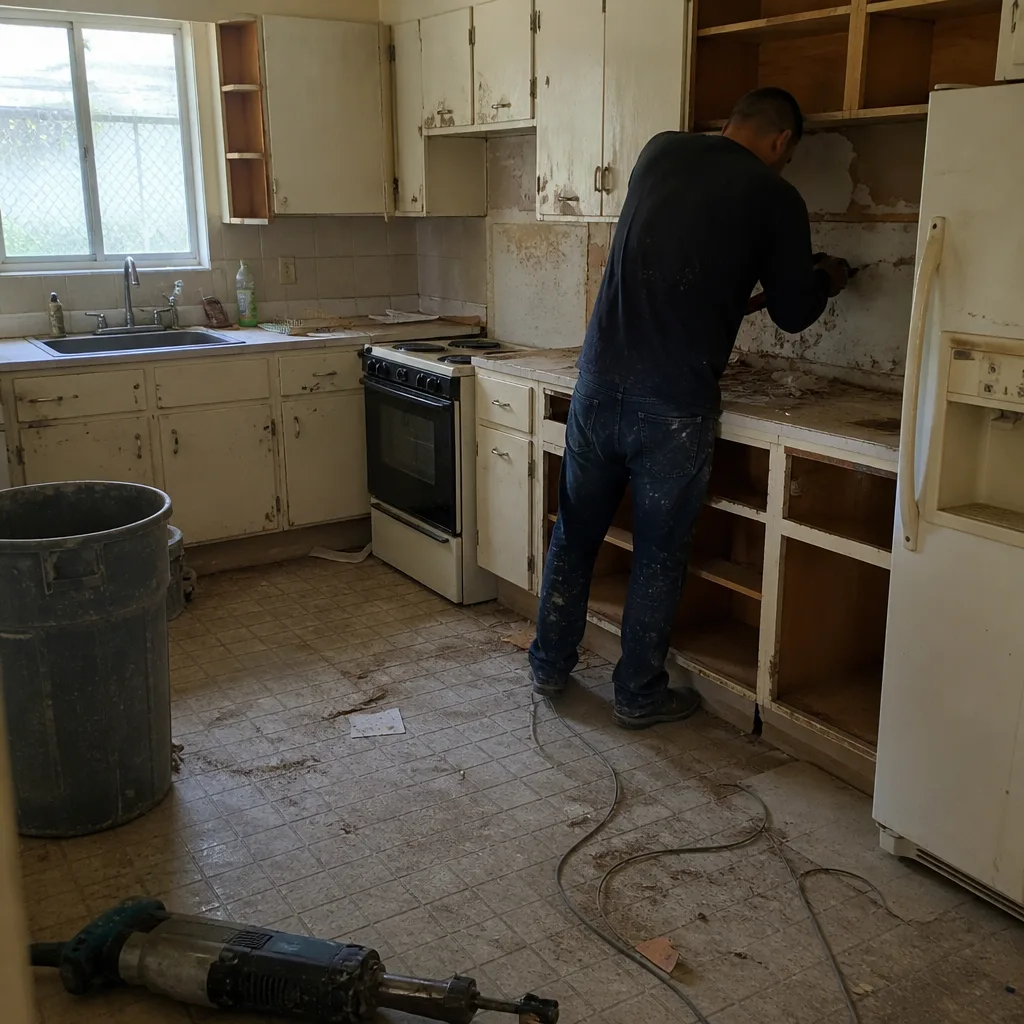 Before
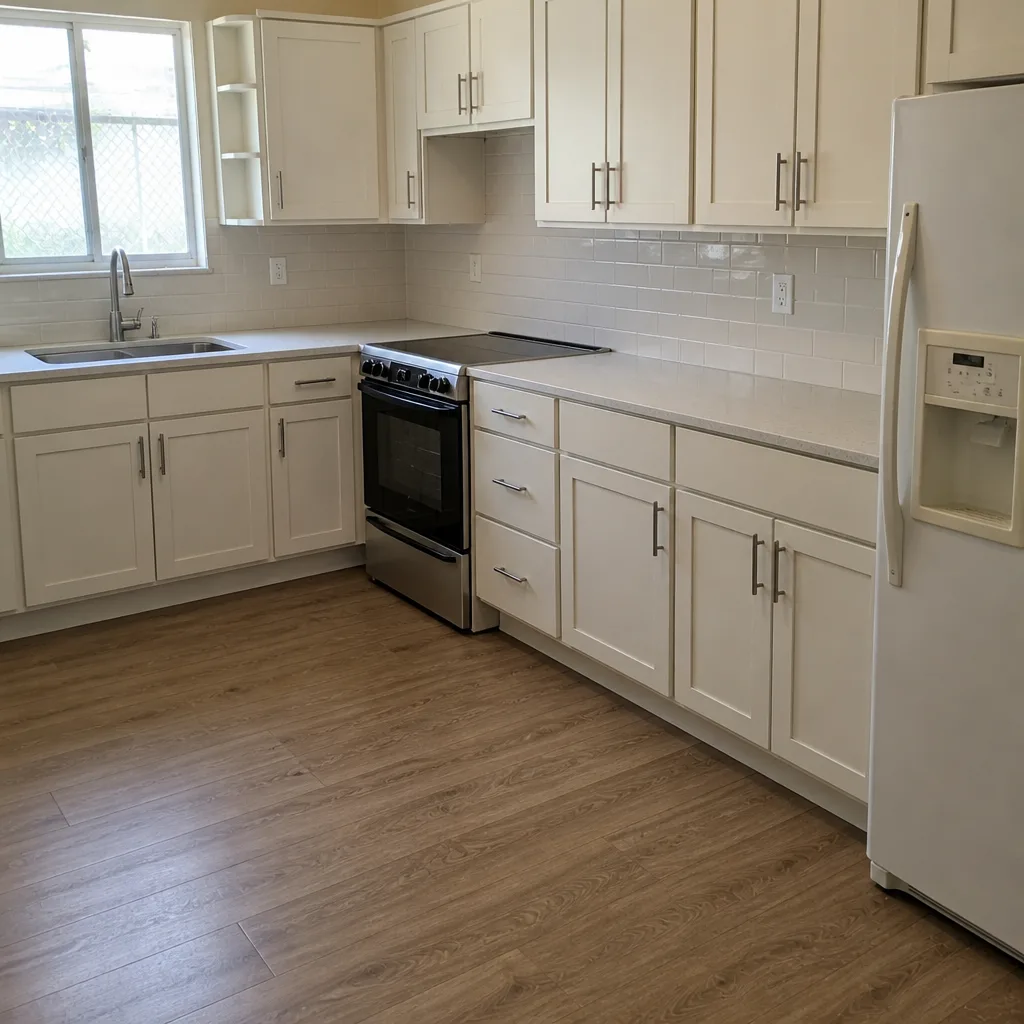 After
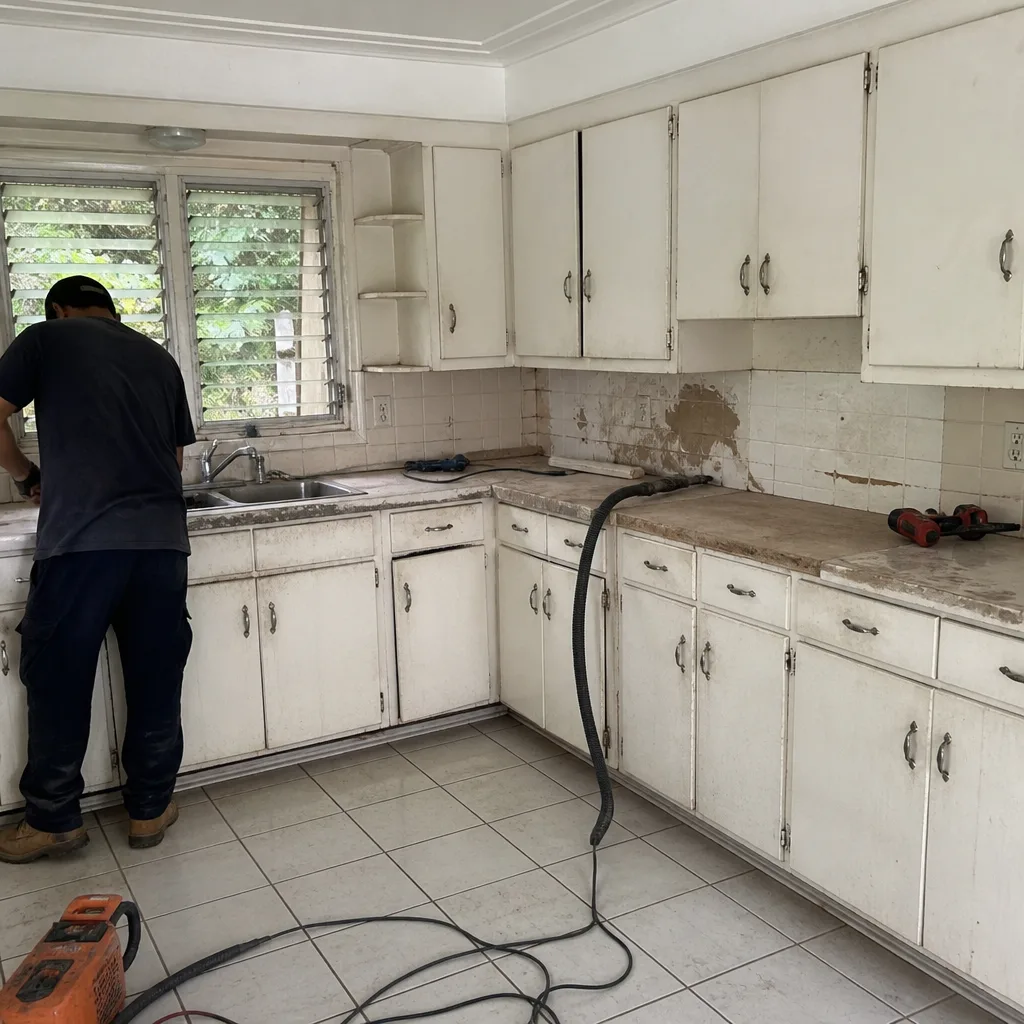 Before
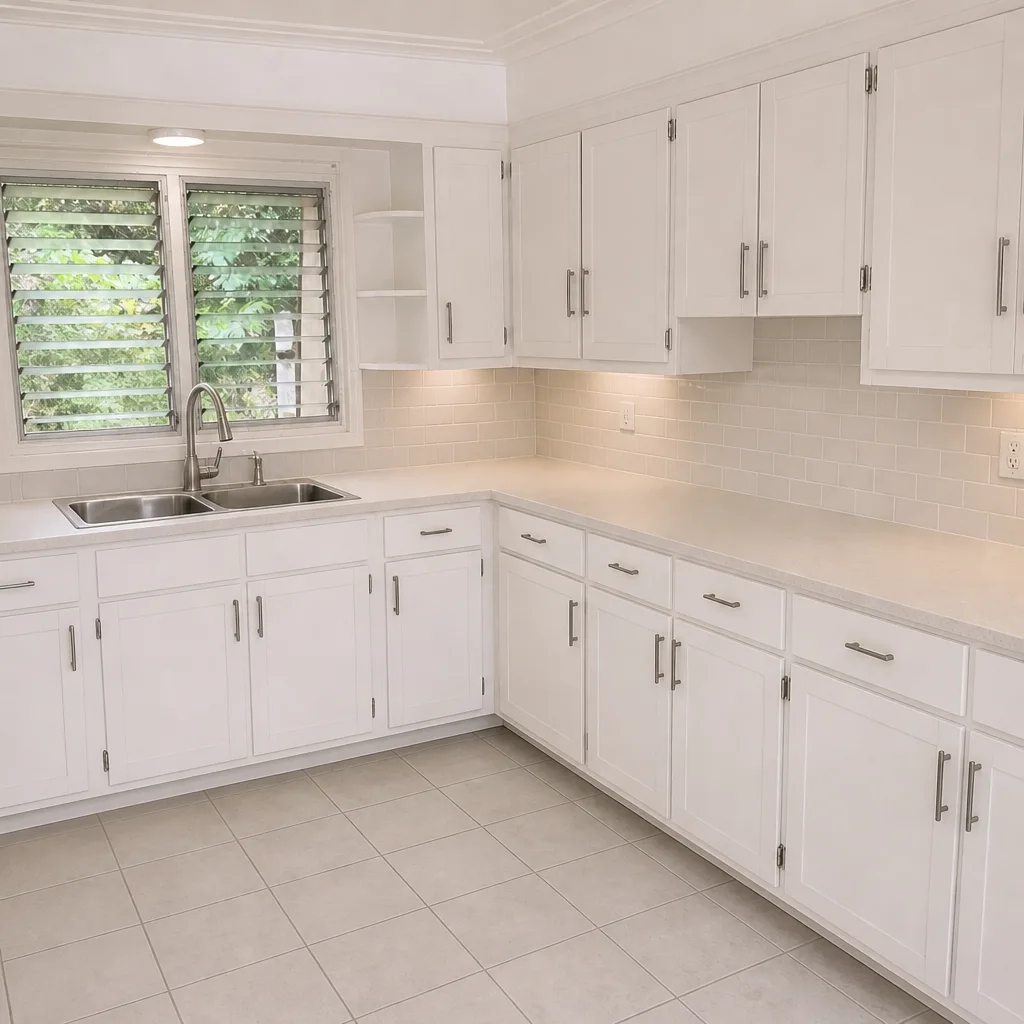 After
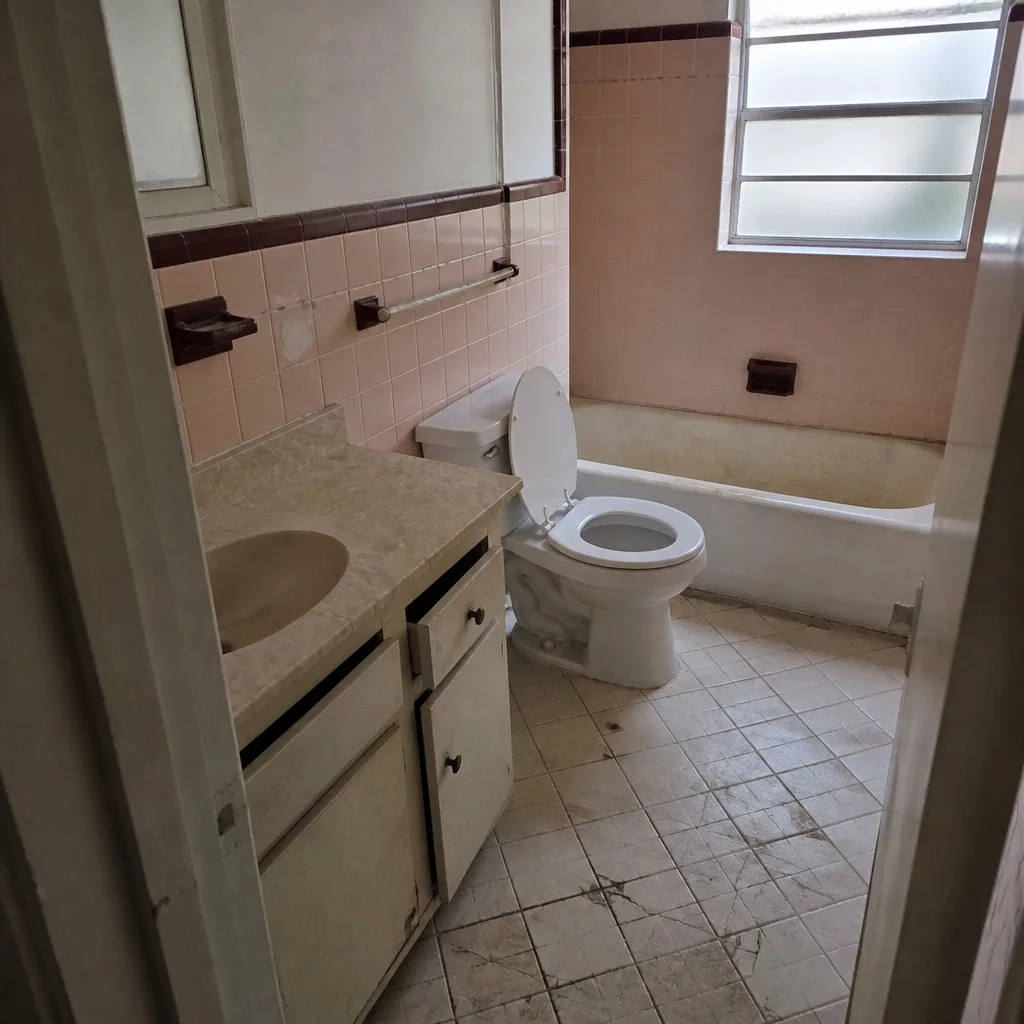 Before
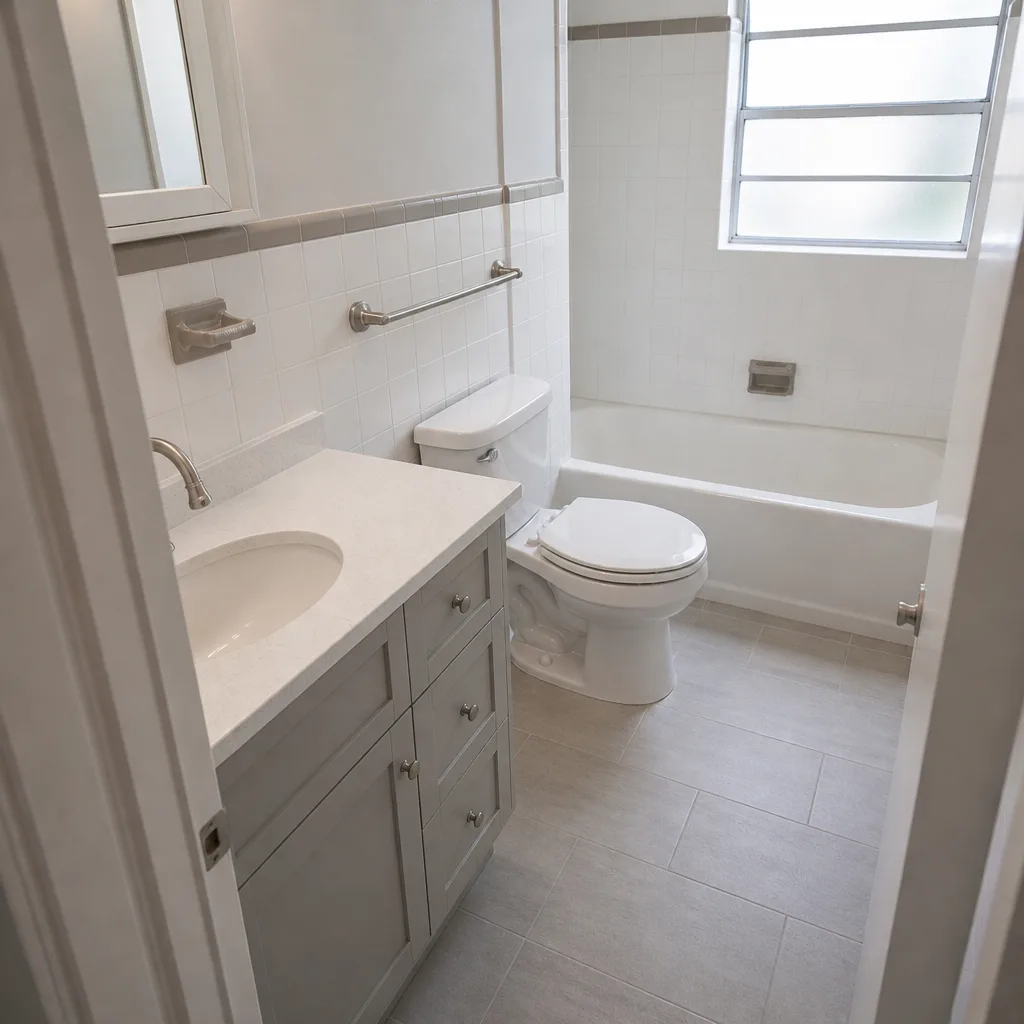 After
When to Call a Professional
Some projects need a professional contractor, and trying to manage them yourself rarely saves money. If your project requires a permit, if it involves structural changes, if it touches the exterior in a way that could trigger Board of Architects review, if it involves electrical or plumbing rough-in, or if it combines several trades in sequence, hire a contractor. The same applies to roofing, window and door replacement, additions, ADUs, kitchens, and bathrooms. Small cosmetic work you can handle. Everything else rewards a licensed professional who knows the code, the review process, and the local expectations. Coral Gables Construction offers free estimates in Coral Gables. Call (844) 797-9523.
Frequently Asked Questions
Verify the license through the state database using the license number and business name, and confirm two things: active status and the classification covering your scope of work. Don’t rely on a photocopy or a wallet card. Check the database directly. Then repeat the process for each trade contractor on your project, since the general contractor’s license doesn’t authorize every trade. If anything appears inactive or doesn’t match, ask for clarification before proceeding. Call (844) 797-9523 for a free estimate with a contractor whose licensing covers your full scope.
Projects that alter the exterior or add square footage often do, and the exact trigger depends on the scope. The Board of Architects review covers design and material compliance, and it adds time to the schedule. Ask your contractor directly: “Does this project require Board of Architects submission, and how long will review take?” A qualified contractor will know the answer and include the timeline in the proposal. Call (844) 797-9523 to discuss your project and get a free estimate.
Timelines vary widely by scope, but the review and permitting phases often account for a meaningful portion of the total schedule, especially on projects that touch the exterior. A kitchen or bathroom remodel has a shorter path than an addition or ADU. A realistic proposal breaks the schedule into phases: design, review, permits, construction, inspections, and final. If your contractor gives a single number without showing the phases, ask for the detailed version. Call (844) 797-9523 for a free estimate with a realistic timeline.
One multi-trade contractor is usually the better choice for a project spanning several scopes, because the coordination and sequencing stay with a single accountable party. Hiring separate specialists can work for a single-trade job, but once two or more trades interact (a new roof with new windows, a paver driveway meeting a new fence line, an addition that changes the roofline), the coordination burden shifts to you. From the driveway to the roofline, one contractor keeps the schedule coherent. Call (844) 797-9523 for a free estimate.
A proper scope names materials and brands line by line, identifies who pulls permits and whether fees are included, describes the review and approval timeline, identifies subcontractors and their licenses, sets out the change order process, and ties payments to completed milestones. The line items most contracts omit are the ones that generate disputes later: disposal, permit fees, review costs, specific product lines, and warranty terms. Insist on all of them in writing. Call (844) 797-9523 for a free estimate and a scope built to prevent disputes.
Because pricing a Coral Gables project without accounting for architectural review, permit sequencing, and material standards produces an incomplete number. The missing costs don’t disappear; they reappear as change orders once work starts. This doesn’t happen out of malice. It happens because the contractor either underestimated the review timeline or knowingly bid low to win the job. Either way, the homeowner absorbs the difference. Compare scopes rather than bids, and treat any proposal with a suspiciously low number as a scope to be verified. Call (844) 797-9523 for a free estimate and a proposal you can compare line by line.
The Bottom Line
Hiring a contractor in Coral Gables is less about finding the lowest price and more about verifying the things that actually determine project outcomes: correct license classifications for every trade, a permit history you’ve checked yourself, a scope of work specific enough to prevent disputes, and awareness of how Board of Architects review affects the schedule. A contractor who can speak to each of these in specifics is one who has worked here before. A contractor who can’t is one who’ll learn at your expense. Ask detailed questions, compare detailed scopes, and choose the contractor whose proposal is boring because everything is spelled out. One contractor across every trade, from the driveway to the roofline, removes most of the coordination risk before your project begins.
Get a Free Estimate

If you’re ready to talk through your Coral Gables project with a contractor who handles every trade under one scope, we’re ready to give you a detailed written estimate. We answer 24/7. Fast dispatch from 7am to 7pm, Sunday through Friday. Call (844) 797-9523 to schedule your free estimate.
Written by the team at Coral Gables Construction.