Last updated November 17, 2026







Free written scope consultation - allowances, timeline, and change-order rules on paper before a single trade is scheduled
Seasonal Construction Care for Coral Gables: Year-Round Homeowner’s Guide
Most seasonal home maintenance guides were written for places with four seasons. Coral Gables doesn’t have four seasons. It has a wet season, a dry season, and a hurricane prep window, and the work your house needs is dictated by those three, not by spring and fall. The single most consequential stretch on a Coral Gables maintenance calendar is the two weeks between mid-May and June 1, before daily rain and active storm season close the window on exterior repairs. This guide maps every maintenance task to South Florida’s actual climate calendar: what to inspect and when, how the dry months quietly set up problems the wet months expose, which materials fail fastest here, and what to do first after a storm passes.
Quick Answer
In Coral Gables, the year splits into a wet season from June through October and a dry season from November through May, and home maintenance should be scheduled around those two blocks rather than a four-season template. The heaviest exterior work, including roof fasteners, window hardware, drainage and sealants, belongs in the April to May window before hurricane season and the summer rains. After a storm, the first 48 to 72 hours matter most for roof, window and water intrusion checks, because those are the failures that cause secondary damage.
Styles & brands we work with
- Kitchen remodeling
- Bathroom remodeling
- Home additions & ADU
- Roofing
- Windows & doors
- Driveway & pavers
- Fence
Table of Contents
- Why Coral Gables Has Three Seasons, Not Four
- The Month-by-Month Maintenance Calendar
- The Pre-Hurricane Season Checklist (April to May)
- What the Dry Season Does to Your Home
- Materials That Degrade Fastest in Coral Gables
- Post-Storm Inspection Priorities, Ranked
- Trade-by-Trade Care for Exterior and Interior Systems
- Common Mistakes to Avoid
Why Coral Gables Has Three Seasons, Not Four
The four-season model assumes a hard winter that resets a house every year. Coral Gables doesn’t get that reset. What we get instead is a long dry stretch followed by months of daily rain, heat and high humidity, and a hurricane season that overlaps the wet months. Each of those three conditions stresses a home differently, and the maintenance calendar has to follow them.
During the wet season, roughly June through October, rain arrives most afternoons and relative humidity often sits above 80%. Exterior caulk joints, window seals, roof penetrations and drainage all get tested daily. Paint takes longer to cure. Stucco stays damp. Wood and fascia hold moisture longer than they would in a drier climate. Any exterior repair that requires a dry surface becomes a scheduling problem, which is why we push most exterior work into the dry months.
The dry season, November through May, does the opposite. Lower rainfall and strong sun dry out soil, caulk, stucco and wood. That’s when hairline cracks open, irrigation systems run harder to compensate, and gaps around doors and windows widen just enough to let pests and water in later.
The third block is storm season, which overlaps the wet months. June through November is when wind-driven rain, roof uplift and window pressure become real considerations. The prep work for that window happens before it opens, not during it. Coral Gables homes vary a lot in age and construction, from older Mediterranean-revival architecture with clay tile roofs to newer builds, and each type carries its own wear patterns, so the calendar below is a framework to adapt, not a rigid schedule.
The Month-by-Month Maintenance Calendar
This calendar follows South Florida’s climate rather than the four-season template. It’s built for Coral Gables homeowners who want a realistic plan instead of a generic list.
- January to February (dry season): Inspect stucco for new cracks from thermal cycling. Check caulk joints around windows and doors. Clean gutters and test drainage paths. Review irrigation coverage now, before dry-season watering ramps up.
- March to April (dry season, pre-storm): Schedule inspections of roof fasteners, flashing and penetrations. Check impact window and door hardware, weatherstripping and seals. Clear and test driveway and yard drainage so the first heavy rains drain instead of pooling.
- May (last clean window before storm season): Re-seal exterior joints. Verify roof tie-downs and fasteners. Trim trees away from the roofline. This is the month to complete anything that requires dry conditions, because from June onward the daily rain makes exterior work harder to schedule and riskier to finish.
- June to October (wet season): Focus on interior and covered projects. Do roof and window checks between storm systems. Watch for water staining on ceilings and around window frames after heavy rain. Keep drains clear.
- November to December (return to dry season): Post-season inspection of everything that took stress over the summer. Check for lifted shingles or tiles, dried and cracked sealant, and any moisture that crept in unnoticed.
The logic is simple: do the repairs that need dry surfaces in the dry months, and save interior work for the wet ones. That sequencing alone prevents most of the scheduling headaches homeowners run into in Coral Gables.
The Pre-Hurricane Season Checklist (April to May)
The April to May window is the most important part of the year for exterior construction care in Coral Gables. Once June arrives, the combination of daily rain and active storm season makes exterior repairs both harder to complete and riskier to leave half-done. Here’s what to cover before that window closes.
- Roof fasteners and flashing. Loose fasteners, lifted flashing and worn sealant around penetrations are the first things wind and rain exploit. Have a roofer check attachment points and the condition of ridge, valley and edge flashing. Roofing systems vary, and manufacturers like Owens Corning, IKO, Atlas and Tamko each spec their own fastening requirements, so the check should match the system on your roof.
- Impact window and door hardware. For homes with impact-rated glazing, the prep is in the hardware: hinges, locking mechanisms, weatherstripping and frame seals. Test each opening and check that seals haven’t dried out. Impact window and door systems from brands like PGT, CGI and ECO Window Systems are built for storm conditions, but the hardware still needs to function when it counts.
- Driveway and yard drainage. Standing water during a storm has nowhere to go if drains, swales and grading are clogged or eroded. Clear drains, check that water flows away from the foundation, and repair any settled or cracked sections of driveway or paver work before the rains arrive.
- Exterior sealants. Caulk and sealant around windows, doors and penetrations dries out over the dry season. Re-sealing in April and May means the joints are fresh when the wet season opens.
- Exterior attachments. Fences, gates, and anything mounted to the exterior should be checked for loose posts and hardware. Fence panels that move under wind stress can loosen posts over time.
Finish these checks in the April to May window and the wet season becomes a season of monitoring rather than catching up. Leave them for June and you’re working against weather that doesn’t cooperate.
What the Dry Season Does to Your Home
The dry season feels like the easy part of the year in Coral Gables, but it’s quietly setting up the problems the wet season exposes. The risks mirror each other and are easy to miss because nothing looks wrong while the sun is out.
Stucco cracking from thermal cycling. Warm days and cooler nights expand and contract exterior stucco, and over a dry season that cycling opens hairline cracks. Individually they look harmless. In a rainstorm, water finds them and gets behind the finish. Inspect exterior walls in January and February, and seal any new cracks before the wet season.
Irrigation system overload. Dry soil needs more watering, and irrigation systems that haven’t been checked run longer and harder than they should. That’s wear on heads, valves and lines. Check coverage and look for leaks and overspray, and make sure water isn’t running against the foundation or pooling near the driveway.
Pest infiltration through dried caulk joints. Sealant shrinks and dries through the dry months. Gaps around windows, doors and utility penetrations open just wide enough for insects and small animals to enter. Re-caulking in the dry season closes the gaps before they become an entry point.
Wood and paint wear. Fascia, soffit and wood trim dry out and crack under sustained sun. That’s the time to catch failing paint and soft wood before the wet season finds it.
Treat the dry season as prep time, not a break. The work you do from November through May determines how much stress your home absorbs from June through October.
Materials That Degrade Fastest in Coral Gables
Coral Gables combines intense UV, high humidity and proximity to the water, and that combination wears on certain exterior materials faster than others. Knowing their maintenance intervals helps you plan rather than react. The general observation from working in this climate is that sun and moisture together do more damage over a year here than temperature swings do over several years in a cooler place.
- Exterior caulk and sealant: dries and cracks fastest of any exterior material. Plan on checking joints at least once a year, and re-sealing sections that have pulled away. This is the cheapest maintenance item with the biggest impact.
- Paint and wood trim: sun breaks down paint and dries wood. Expect more frequent repainting on south- and west-facing surfaces, and check fascia and soffit annually for soft spots.
- Roof sealant and flashing: constant rain and heat cycle sealant at penetrations. Have it checked each dry season and touch up where it has failed. The roofing material itself (shingle, tile or membrane) lasts well when the flashing and fasteners are maintained underneath it.
- Window and door weatherstripping: UV and heat dry out weatherstripping and seals. Check them annually, especially on impact-rated windows and doors where the seal is part of the system’s performance.
- Driveway and paver joints: joint sand and polymeric filler wash out over a wet season. Re-filling joints and re-leveling settled sections keeps water moving away from the house.
- Fence posts and hardware: wood posts take on moisture at the ground line, and hardware loosens with seasonal movement. Check posts annually for softness and movement.
None of these require constant attention. They require attention at the right time: exterior items in the dry months, and interior or covered items whenever the wet season makes outdoor work impractical.
Post-Storm Inspection Priorities, Ranked
After a storm, the order in which you inspect matters more than the inspection itself. Some problems cause secondary damage within days; others can wait. Here’s how we’d rank the checks.
- Roof and attic for water intrusion (first 24-48 hours). Look for stains, damp insulation or daylight in the attic. A small roof breach lets water into framing and ceilings, and that damage compounds fast. If you suspect a breach, get it looked at right away.
- Windows and doors for seal failure (first 48 hours). Check for water inside frames and along sills. Failed seals on windows and doors let in water that sits against framing. Impact-rated systems from PGT, CGI or ECO Window Systems are built for storm load, but the surrounding seal and hardware still need checking.
- Ceilings and walls for hidden moisture (48-72 hours). Water travels. Stains on ceilings or bubbling paint signal moisture behind drywall. Catch it early and the repair is a patch; catch it late and it’s a larger project.
- Drainage and grading (72 hours). Standing water after a storm shows where drainage is failing. Clearing debris and checking that water flows away from the foundation prevents long-term moisture problems.
- Exterior sealants and stucco (first week). Storms open cracks and pull sealant away. New cracks should be sealed before the next rain event.
- Fences and exterior structures (first week). Check for loosened posts and hardware after wind. Re-securing now prevents a slow failure later.
The first 48 to 72 hours are the window where a quick look prevents a much bigger repair. Everything else can be scheduled at a normal pace.
Trade-by-Trade Care for Exterior and Interior Systems
Seasonal care isn’t one task; it’s a set of tasks across every system on the house, from the driveway to the roofline. Working with one contractor across all of them saves the coordination overhead of lining up specialty subs for each piece, and it’s how we approach this work. Here’s the seasonal focus for each trade.
Driveway and pavers. Check for settling, cracked joints and clogged drainage each dry season. Re-sanding joints before the wet season keeps pavers stable and water moving. If the driveway has older, settled sections, driveway & pavers work in the dry months is easier to schedule than in the rain.
Fencing. Inspect posts for softness and hardware for looseness once a year. Winter storms loosen panels and posts, and a quick fence installation fix now is cheaper than replacing a failed fence line later.
Home additions and ADUs. Additions and detached units need their own seasonal care: roof, exterior sealants, drainage, and ventilation. If you’re planning to add livable square footage, the dry season is the best time to start planning. Bring your home additions & ADU plans to us and we’ll map the schedule around the climate rather than against it.
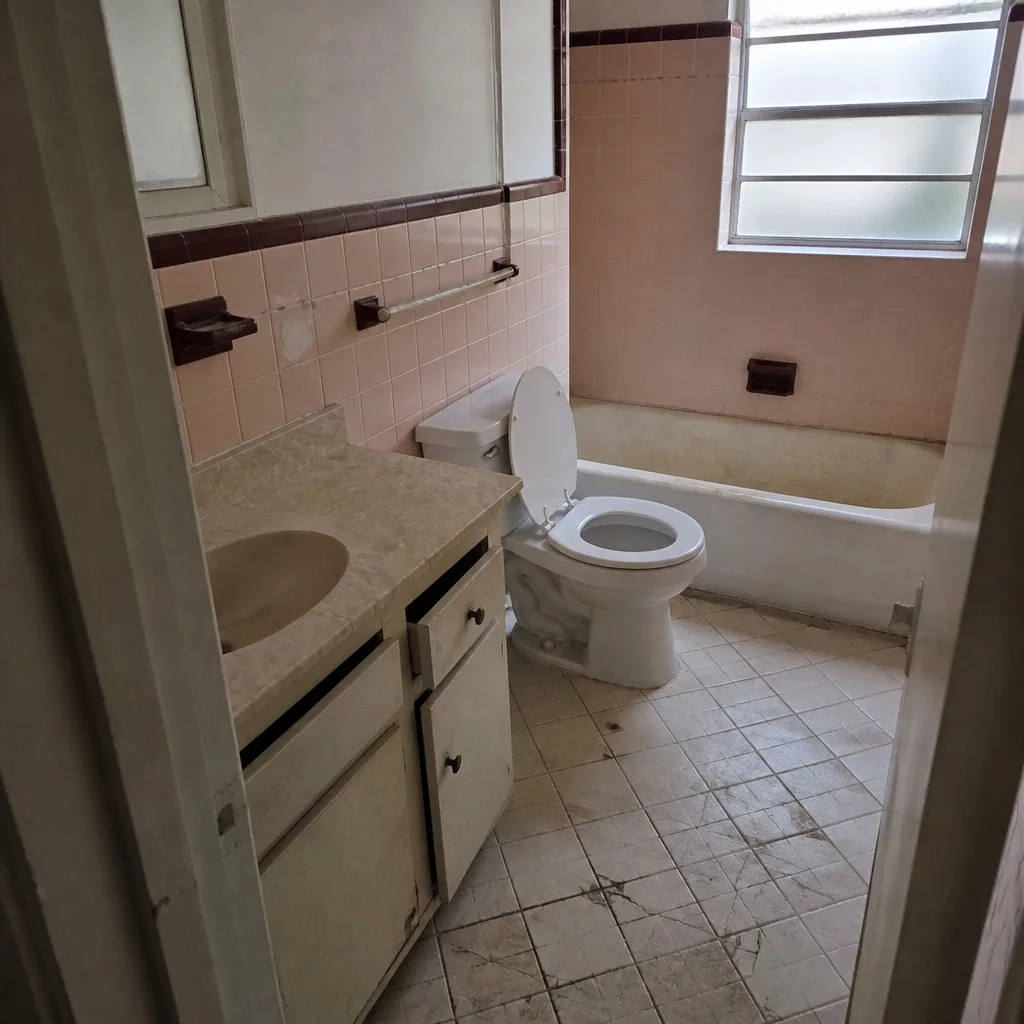
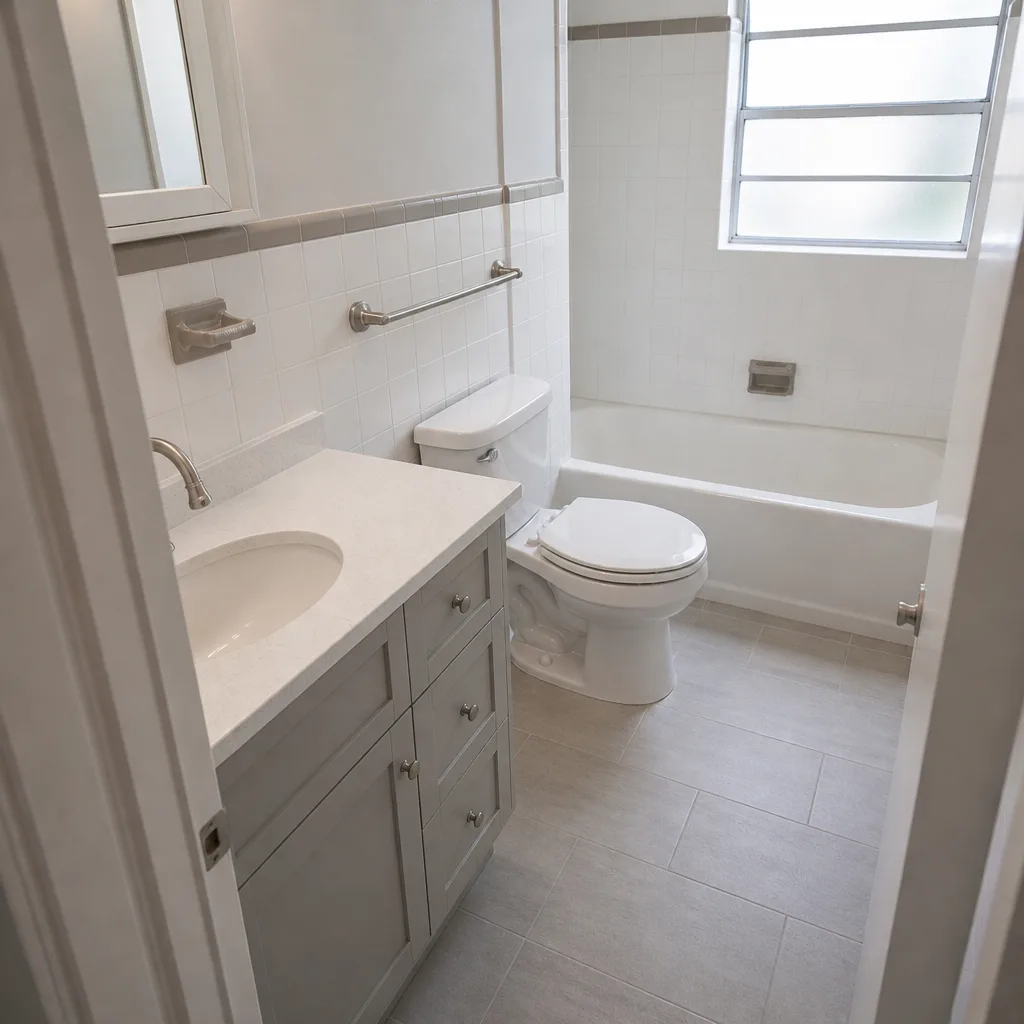
Bathroom remodeling. Wet-season humidity makes bathrooms work harder against moisture. Check ventilation and look for caulk failure around tubs and showers. If you’re remodeling, the wet season is actually a good time to do interior work, since exterior services are weather-dependent.
Windows and doors. Inspect seals, weatherstripping and hardware each dry season. Impact-rated and specialty windows, including PGT, CGI and ECO Window Systems, need hardware and seals checked annually. A failing seal is a moisture problem waiting to happen.
Roofing. Inspect fasteners, flashing and sealant each dry season. Roofing systems from GAF, CertainTeed, Owens Corning and others each have their own maintenance needs, and the inspection should match your system. Under a maintained exterior, most roofing materials perform well.
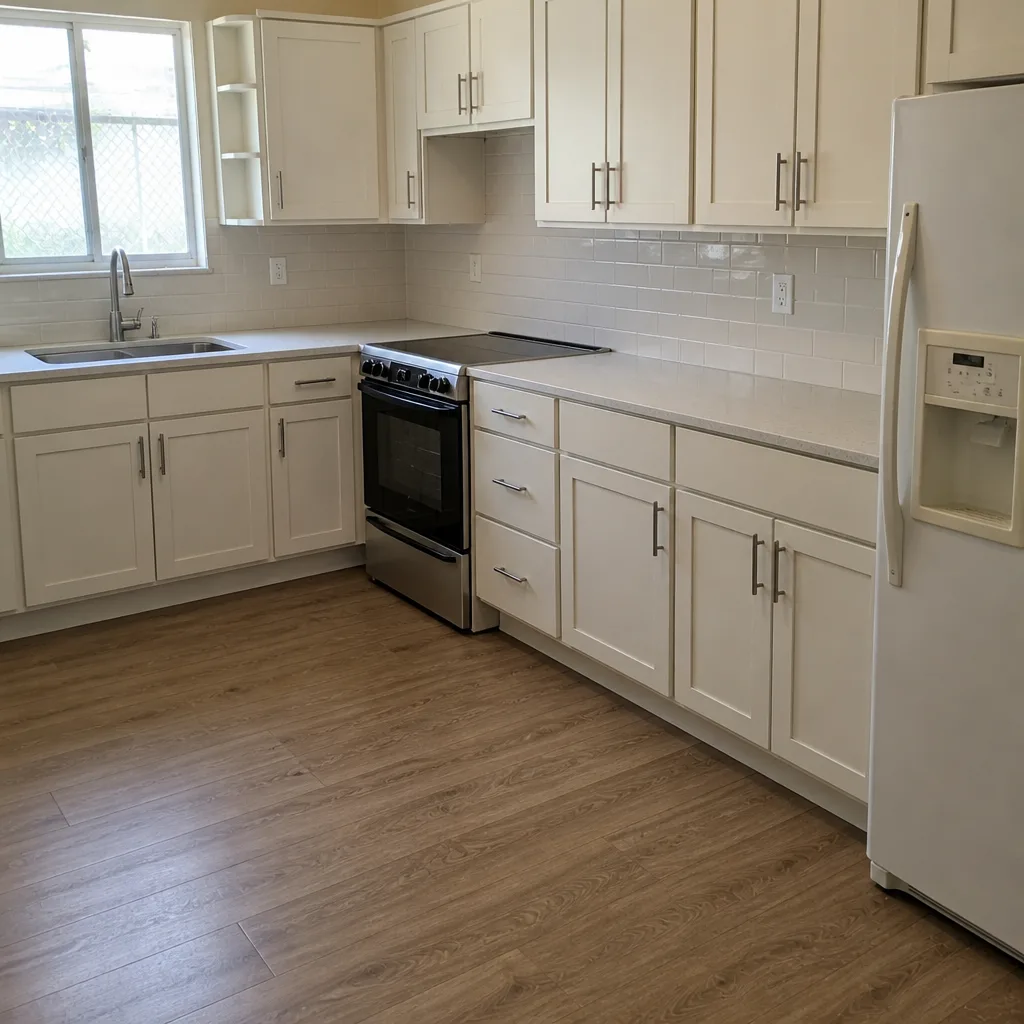
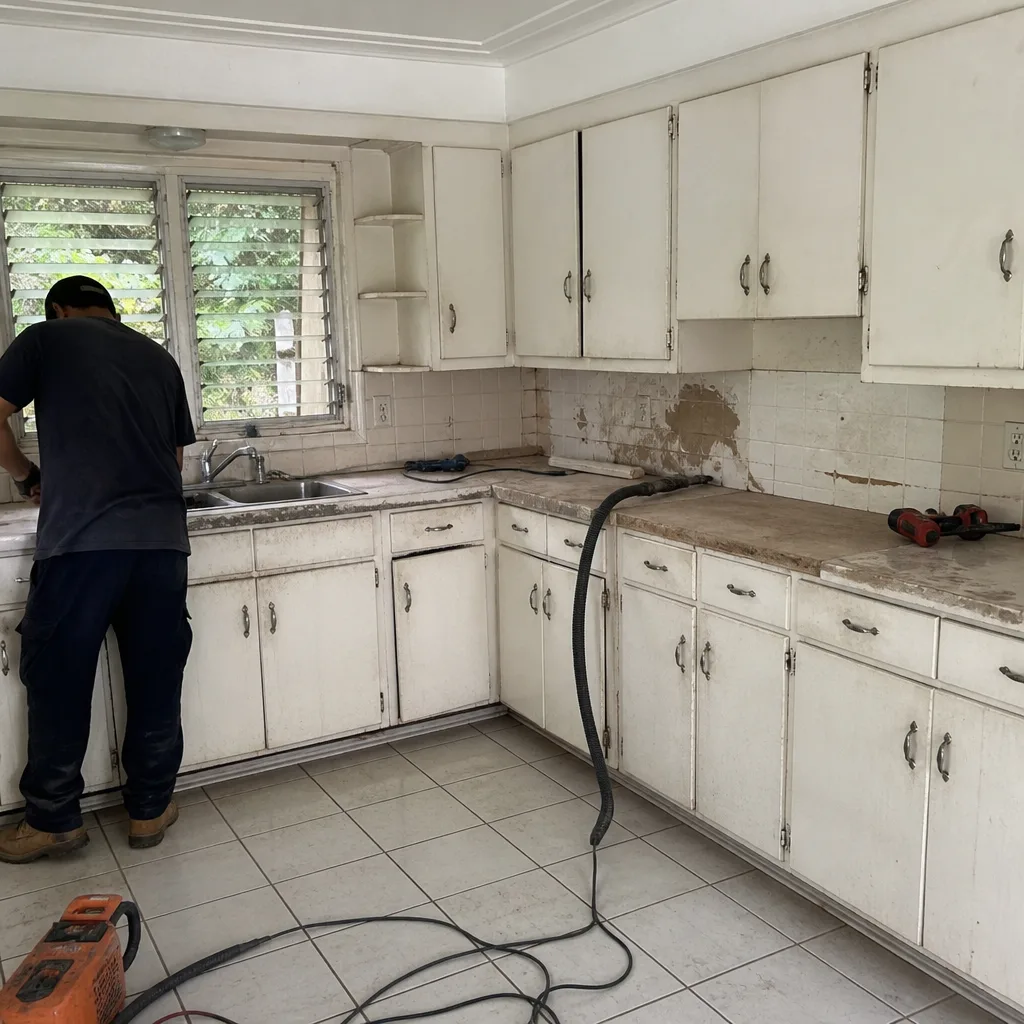
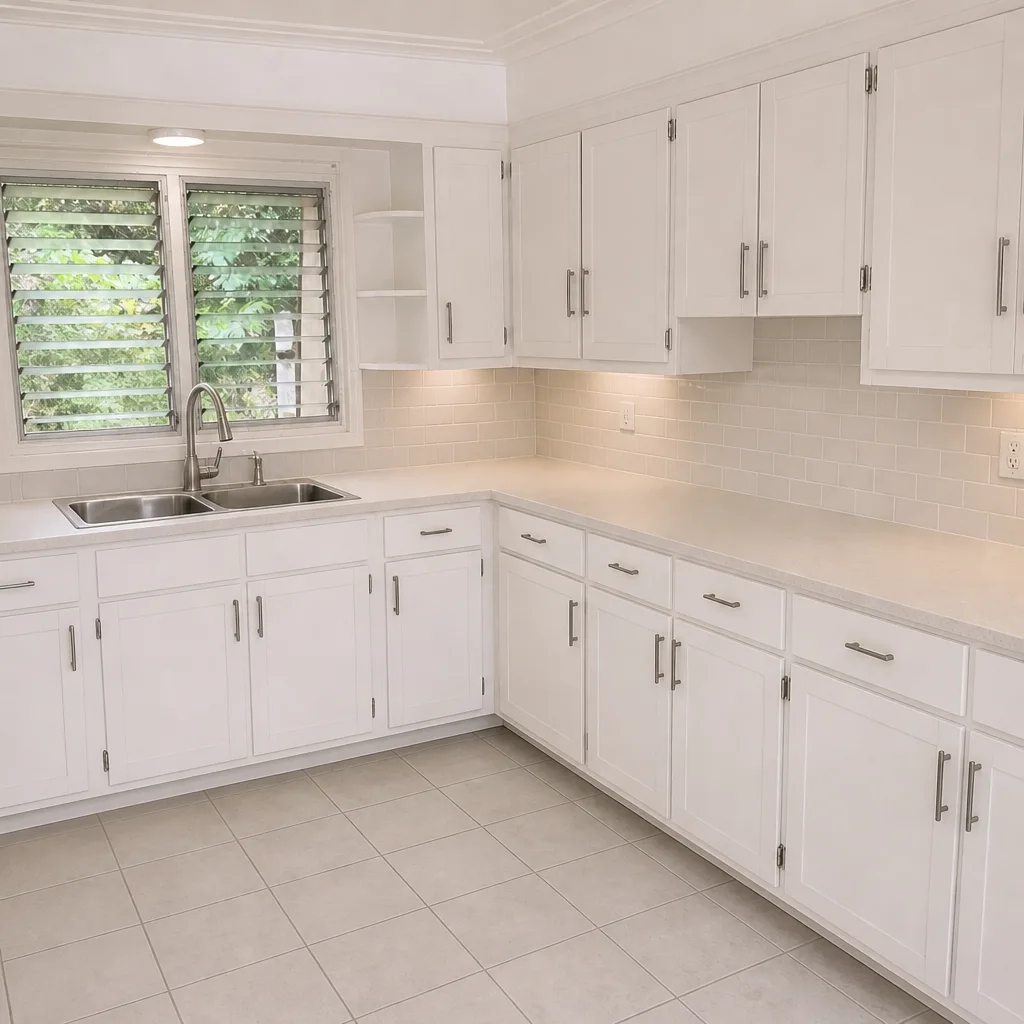
Kitchen remodeling. Interior work like kitchens is best scheduled during the wet season when exterior work can’t proceed anyway. Cabinets from KraftMaid and Wellborn and fixtures from Kohler, Toto and Grohe are specified to hold up in a humid climate, but ventilation still matters. Keep an eye on seals around sinks and counters where moisture collects.
Every system above connects. A failing sealant on a window becomes a moisture problem behind the wall. A clogged drain becomes a driveway problem. Treating the house as one system, from the Coral Gables Construction hardscape to the roofline, keeps the seasonal work manageable and keeps small issues from becoming big ones.
Common Mistakes to Avoid
Most seasonal damage we see in Coral Gables traces back to a handful of recurring mistakes. Avoiding these saves more than any single repair.
- Using a four-season maintenance guide. A guide written for a place with a hard winter addresses tasks that don’t apply here and skips the wet-season work that does. Build the calendar around the wet months and the dry months instead.
- Waiting until June to do exterior work. The April to May window is the last stretch with reliable dry conditions before storm season and daily rain arrive. Pushing exterior repairs into June makes them harder and riskier to finish.
- Ignoring the dry season. Dry months are when stucco cracks, caulk dries and irrigation runs hardest. Assuming nothing needs attention because it’s not raining is the mistake behind most wet-season water intrusion.
- Skipping the post-storm check. Many problems don’t show up until the ceiling stains or the trim softens. Inspecting the roof, windows and ceilings in the first 48 to 72 hours catches small issues as small issues.
- Replacing a sealant or roof material without checking the system. Roof flashing and fasteners, not the roofing material itself, are the usual failure point. Matching a repair to the actual system keeps the fix effective.
- Coordinating too many separate trades. When a roof inspection, window seal replacement and driveway repair are on separate schedules with separate contractors, small issues sit unresolved. One contractor across the trades keeps the calendar moving.
- Assuming impact windows need no maintenance. Impact-rated windows and doors need hardware and seal checks like any other door or window. The system is built for storm load, not for skipped maintenance.
See the difference
 Before
 After
 Before
 After
 Before
 After
When to Call a Professional
Some maintenance is a homeowner’s job: a visual roof check from the ground, cleaning a gutter, watching for ceiling stains after a storm. Other work should go to a trained professional, and it’s worth knowing the line. High-tension garage-door springs and cables, electrical panels and wiring, and gas lines are dangerous to touch and belong to the trades. So does anything on a steep roof or at height, and any water intrusion that has gotten behind a wall. If a roof breach, window seal failure or drainage problem shows up after a storm, call sooner rather than later: the first 48 to 72 hours are when small issues are still small. Coral Gables Construction offers free estimates in Coral Gables and handles the driveway-to-roofline work across driveway and pavers, fencing, additions and ADUs, bathrooms, windows and doors, roofing, and kitchens. Call (844) 797-9523. We answer 24/7. Fast dispatch from 7am to 7pm, Sunday through Friday.
Frequently Asked Questions
The best time is the dry season, and specifically the April to May window before hurricane season and daily summer rain. During those weeks conditions are dry enough to complete roof, window, sealant and drainage work without fighting the weather. Once June arrives, exterior work is harder to schedule and riskier to leave partly finished. Call (844) 797-9523 for a free estimate.
The most important checks happen within 48 to 72 hours, starting with the roof and attic for water intrusion, then window and door seals, then ceilings and walls for hidden moisture. Those are the failures that cause secondary damage. Drainage, stucco and fencing can follow in the first week. Call (844) 797-9523 to schedule a free estimate.
Stucco cracks in the dry season because warm days and cooler nights expand and contract exterior walls. Over a season, those small movements open hairline cracks that look harmless but let water in during the wet months. Sealing them in the dry season is the fix, and it’s a free estimate to get it checked. Call (844) 797-9523.
Yes. Impact-rated windows and doors need their hardware, hinges, locking mechanisms, weatherstripping and frame seals checked at least once a year. The glazing is built for storm load, but the seals and hardware around it are what keep water out. Brands like PGT, CGI and ECO Window Systems each have their own hardware, so the check should match your system. Call (844) 797-9523 for a free estimate.
The wet season, June through October, is a practical time for interior work like kitchens and bathrooms because exterior services are weather-dependent then. Scheduling interior projects in the wet months lets exterior tasks take priority during the dry season. Cabinets from KraftMaid and Wellborn and fixtures from Kohler, Toto and Grohe are specified for this climate. Call (844) 797-9523 for a free estimate.
One contractor across the trades is usually simpler for seasonal work, because roof, window, driveway and drainage issues are related and the fixes are easier to sequence together. Coral Gables Construction handles seven trade categories from the driveway to the roofline, so the annual calendar runs on one schedule instead of several. Call (844) 797-9523 for a free estimate.
The Bottom Line

Coral Gables doesn’t have four seasons, and a maintenance calendar built for a hard winter misses the work that actually matters here. The wet season, from June through October, tests roof, window and drainage systems. The dry season, November through May, opens stucco, dries sealants and stresses irrigation. The two weeks before June 1 are the last reliable window for exterior repairs. Do the exterior work in the dry months, save interior projects for the wet ones, and inspect the roof, windows and ceilings within 48 to 72 hours after any storm. One contractor across every trade keeps the whole calendar on one schedule, from the driveway to the roofline.
Call (844) 797-9523 for a free estimate. We answer 24/7. Fast dispatch from 7am to 7pm, Sunday through Friday.
Written by the team at Coral Gables Construction.