Last updated November 17, 2026

Free written scope consultation - allowances, timeline, and change-order rules on paper before a single trade is scheduled
DIY vs Professional Construction: The Coral Gables Homeowner’s Decision Guide
Most homeowners assume the DIY question is about skill. It isn’t, or at least not first. In Coral Gables, the real gatekeeper is eligibility: who is legally allowed to pull the permit, who can sign off on the work, and what the record looks like when the house changes hands. Florida’s owner-builder exemption does let a homeowner permit work on their own primary residence, and plenty of Coral Gables residents take that seriously. But the city adds a layer that catches people off guard, particularly inside designated historic districts and on projects that need Board of Architects review. This guide walks through what you can actually self-perform here, where the risk lands, and how to tell the difference before you order materials.
Quick Answer
In Coral Gables, you can legally self-perform some work on your own primary residence under Florida’s owner-builder exemption, but that permission is narrower than most people think. Projects inside a designated historic district, projects requiring Board of Architects approval, and most structural, electrical, plumbing and roofing work effectively require a licensed contractor of record. For anything that will be inspected, insured or sold, hiring a professional is usually the safer financial decision.
Styles & brands we work with
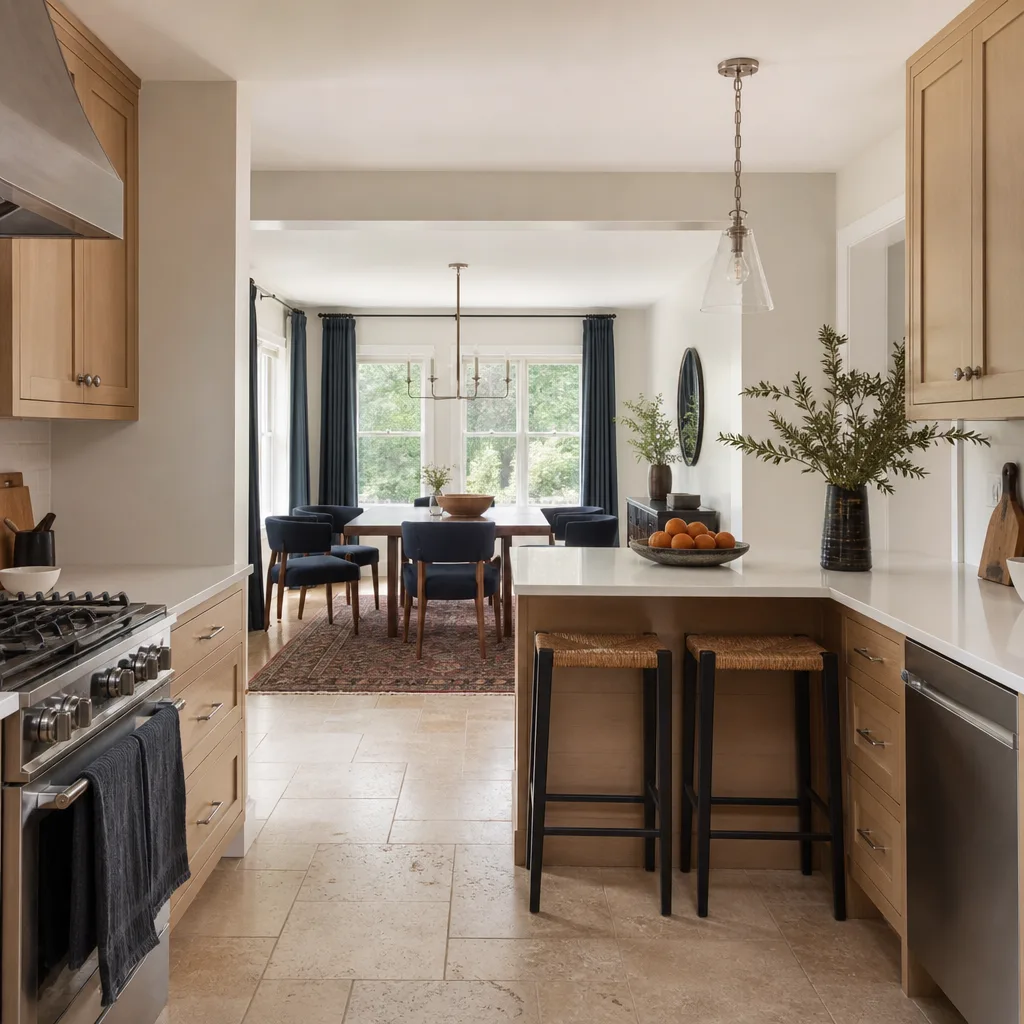
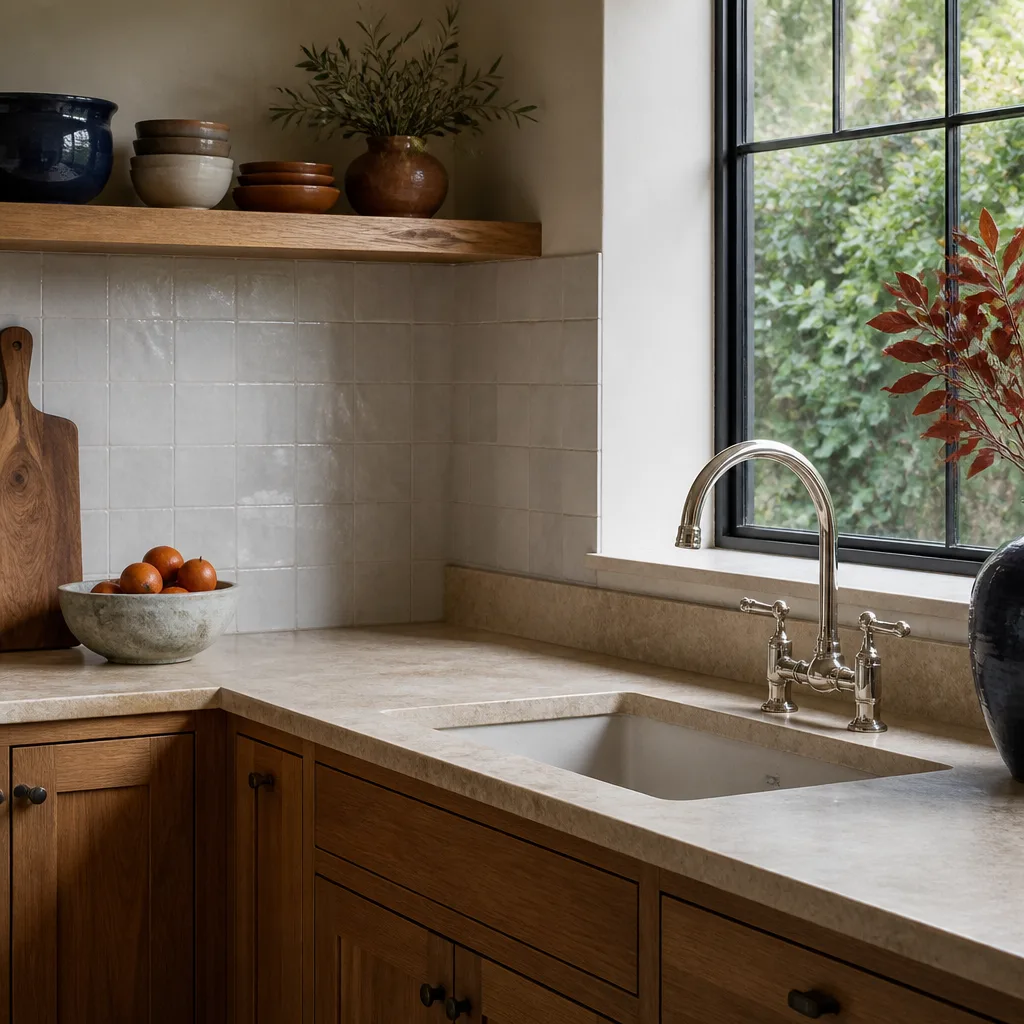
- Kitchen remodeling
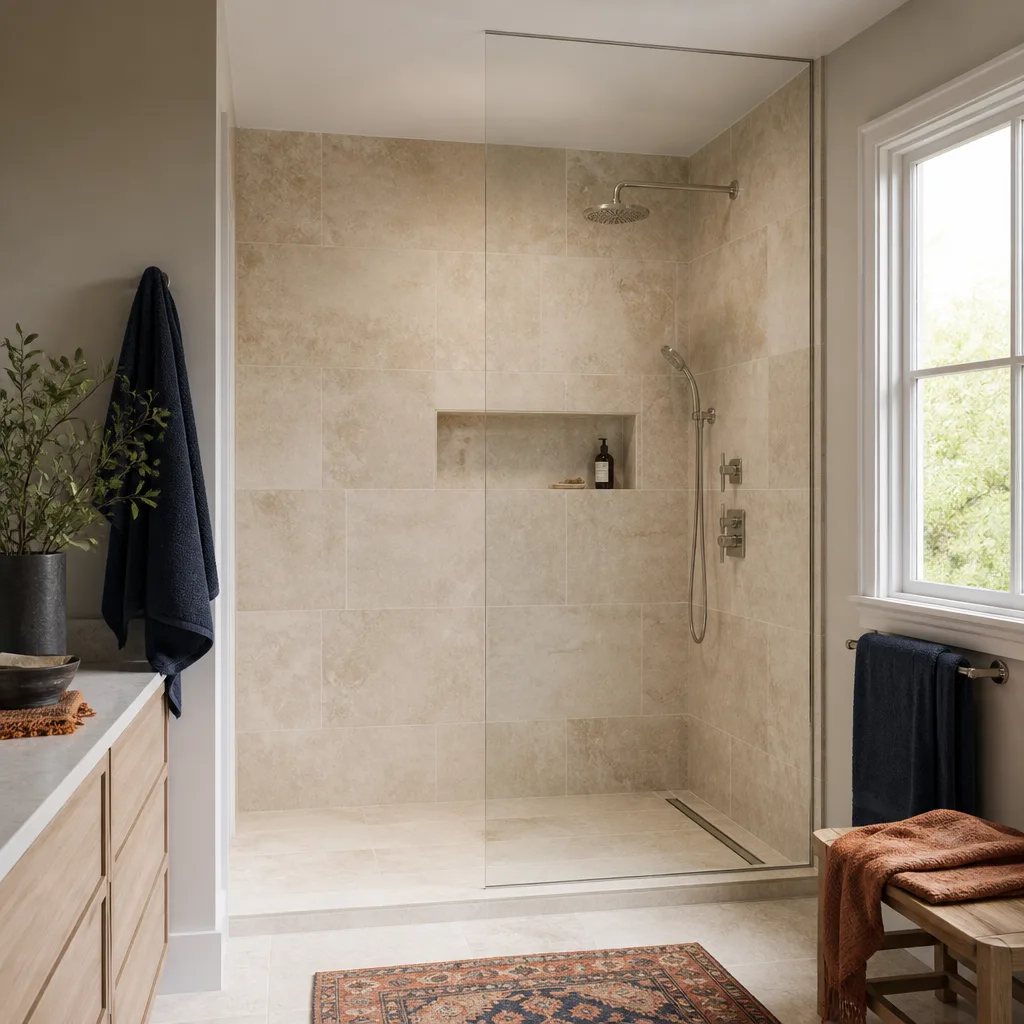
- Bathroom remodeling
- Home additions & ADU
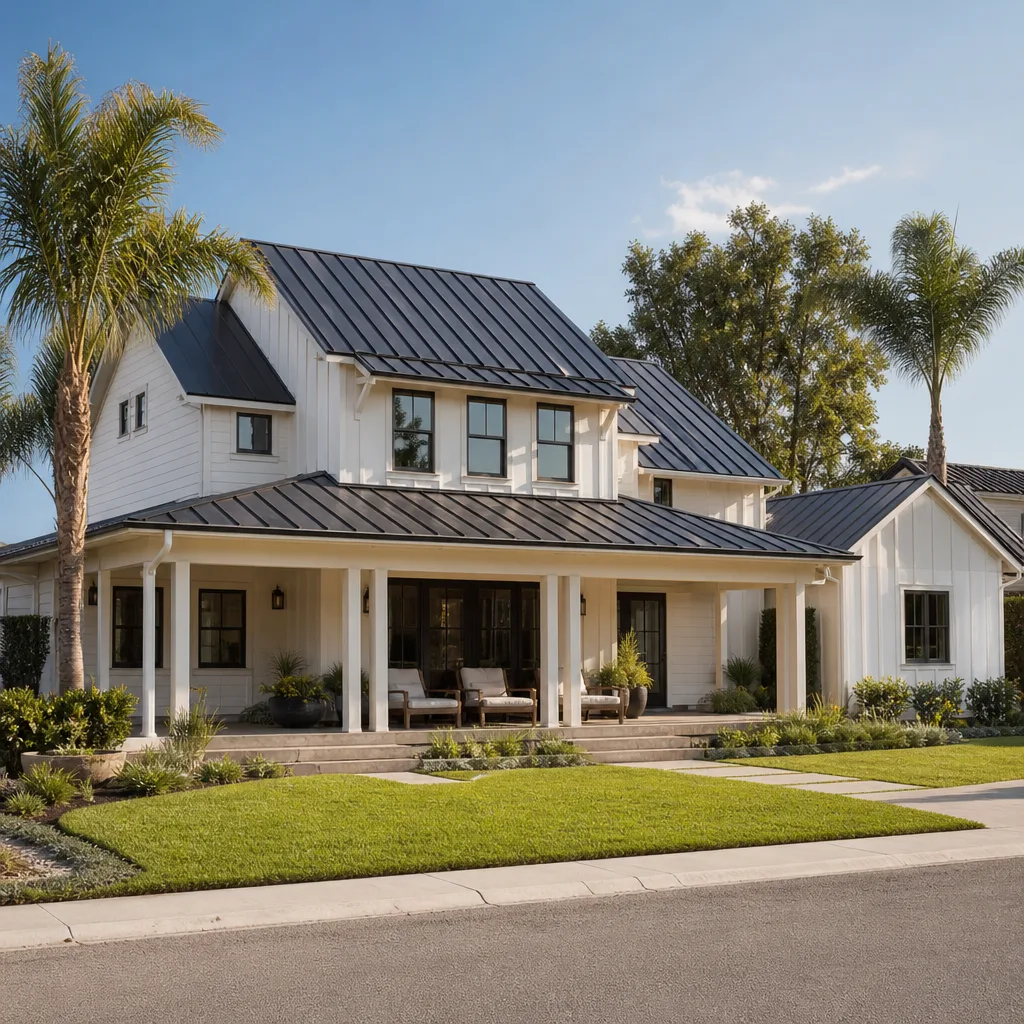
- Roofing
- Windows & doors
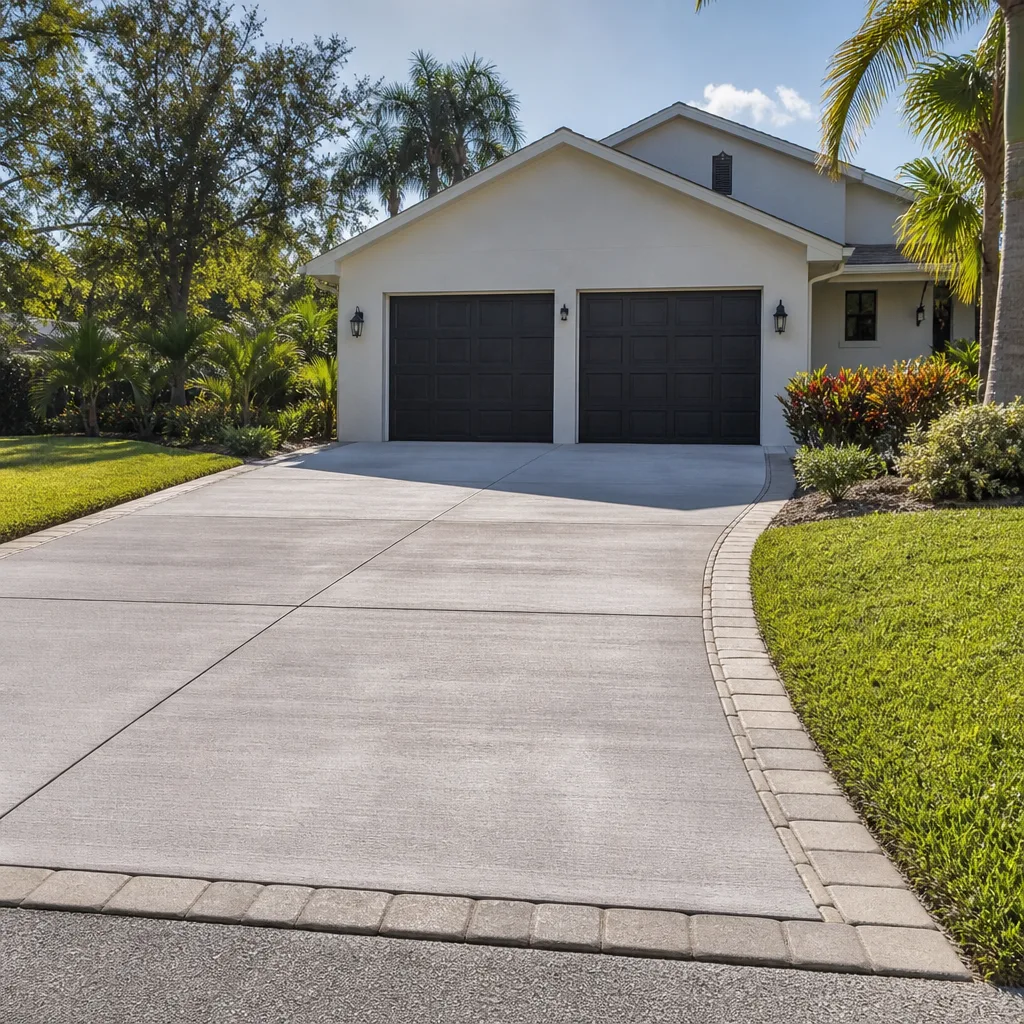
- Driveway & pavers
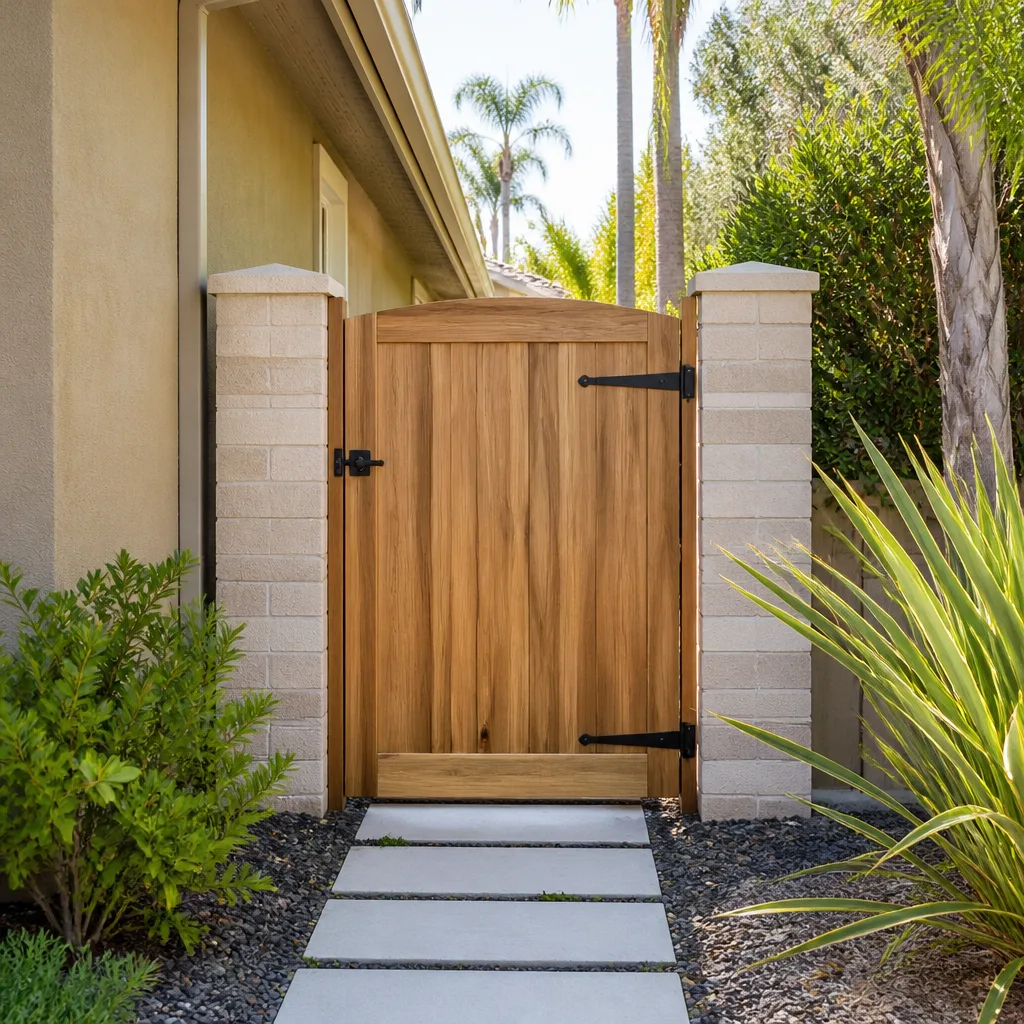
- Fence
Table of Contents
- What Florida’s Owner-Builder Exemption Actually Permits
- How Coral Gables Narrows It Further
- Insurance and Liability When You Self-Perform
- Where DIY Is Genuinely Viable in South Florida
- The Hidden Cost of DIY in Coral Gables
- Aesthetic Standards That Favor Professional Execution
- A Step-by-Step Framework for Deciding
- Choosing the Right Material for Your Project
What Florida’s Owner-Builder Exemption Actually Permits
Florida law allows an owner to pull building permits on a home they live in, without holding a contractor’s license, provided they intend to occupy the property and do the work themselves. That is the exemption in plain terms. It exists so a homeowner can improve their own house, not so they can run a construction business out of the driveway. The moment a property is sold or transferred within a year of the permit being closed, the exemption starts to look different to a lender and a title search.
What it does not do is let you skip inspections. Every permitted scope still goes through the same plan review, the same inspection sequence and the same certificate of occupancy. What the exemption removes is the contractor in the middle, not the code.
A few practical limits worth knowing:
- The exemption applies to a single-family home the owner occupies, not to rental property or a house held in an investment entity.
- Work that requires an engineer’s sealed drawings still requires those drawings, regardless of who pulls the permit.
- Certain trades (electrical, plumbing, mechanical, roofing) have their own licensing structures and their own enforcement.
- Homeowner permits often require the owner to be on site for inspections, which means scheduling your own day around an inspector’s window.
If you’re weighing a larger build, our guide on home additions & ADU covers how the permit path actually runs when structural scope is involved.
How Coral Gables Narrows It Further
Coral Gables has its own municipal code on top of the state’s. The part that matters most for the DIY question is historic and architectural review. Properties inside a designated historic district, or properties subject to a historic designation, generally require review by the city’s Board of Architects before certain exterior work can proceed. That review assumes a design professional and a licensed contractor of record. It is not a process a homeowner typically navigates alone with a set of drawings on a Saturday morning.
Here’s what that looks like in practice:
- Roofing changes. A roof replacement on a contributing structure in a historic district often comes with material and profile requirements that must be reviewed before installation. A homeowner who buys shingles first and asks questions later usually ends up buying twice.
- Window and door replacements. Style, muntin pattern and finish matter in review. This is one of the reasons impact-rated glazing from brands like PGT, CGI and ECO Window Systems gets specified so carefully in Coral Gables – the product has to meet both the performance requirement and the visual standard.
- Additions and second stories. Massing, setback and roofline all fall under review. An addition designed without that in mind gets sent back.
- Fencing and hardscape. Front-yard fencing and certain paver work can trigger review depending on location, height and material.
Outside the historic districts, the city still enforces its zoning code, its setback rules and its inspection sequence. The exemption doesn’t move any of that. It only changes who is holding the pen.
Insurance and Liability When You Self-Perform
This is the part that gets skipped in most DIY conversations, and it’s the part that costs the most when something goes wrong. When you self-perform permitted work, you become the responsible party for that work. If a roof you installed leaks and damages the interior, your homeowner’s policy may treat it differently than a claim on work performed by a licensed contractor. Carriers ask who did the work. The answer matters.
There are three separate exposures to think through:
- Property damage to your own home. A failed shower pan or a poorly flashed roof can cause damage that runs into the tens of thousands. Whether your policy responds to a defect in your own work is a coverage question, and it’s worth asking your carrier directly before you start.
- Injury on the property. A licensed contractor carries their own liability coverage and workers’ compensation. When a helper gets hurt on your owner-builder job, that exposure is yours.
- Disclosure at resale. Florida requires disclosure of known defects. Unpermitted work, or permitted work that was never inspected, can surface during a title search or a buyer’s inspection and either delay or kill a sale. Coral Gables buyers ask about permits. It’s a sophisticated market.
None of this means DIY is always wrong. It means the cost of getting it wrong is not just the cost of redoing the work. It’s the cost of the work, the damage, the delay and the negotiation at resale, all at once.
Where DIY Is Genuinely Viable in South Florida
South Florida’s climate is a specific kind of demanding. High humidity, intense UV exposure and hurricane-season wind loads all punish anything installed without the right details. That said, there are project categories where a careful homeowner with real time on their hands can do solid work and pass inspection. Here’s an honest split.
Genuinely viable for a capable homeowner
- Interior painting and drywall patching. Low permit exposure, low failure consequence. The main risk is finish quality, not structure.
- Minor landscaping and planting. No permit needed for most planting, and mistakes are recoverable.
- Cabinet hardware, shelving and trim carpentry. Cosmetic, reversible, no inspection path.
- Small tile work in a powder room. Doable if the substrate is sound and the waterproofing detail is right – but the waterproofing is where most failures begin.
Technically DIY-eligible, practically inadvisable
- Roofing. Wind-driven rain and UV degrade any flashing detail done without the right underlayment sequence. Roof systems from GAF, CertainTeed and Owens Corning are engineered as a system, and installing one component wrong voids the warranty.
- Bathroom remodels with a shower. Waterproofing is the whole job. A shower that looks perfect can fail behind the tile for a year before anyone notices.
- Window and door replacement. Rough openings, sealing and flashing details are unforgiving in a climate with this much rain. Impact glazing adds a second layer of specification.
- Electrical and plumbing rough-in. Regulated trades with their own licensing and their own inspectors.
If you’re doing a bathroom, our guide to bathroom remodeling walks through where the real risk sits. For exterior work, driveway & pavers is a good place to see how base preparation decides whether the surface lasts.
The Hidden Cost of DIY in Coral Gables
The material list isn’t the budget. That’s the mistake most owner-builders make. The visible costs are the ones that show up on a receipt. The costs that blow the budget are the ones that show up later, and Coral Gables has a few of its own.
- Material sourcing without contractor accounts. Contractors buy at trade pricing. A homeowner pays retail, plus delivery, plus the cost of running back to the supplier when something is short. On a kitchen with Cambria or Silestone countertops, that gap shows up fast.
- Inspection failures that require rework. A failed rough-in inspection means the wall comes back open, the work gets redone, and the inspection gets scheduled again. Each of those steps costs money and time.
- Re-inspection fees. Most jurisdictions charge for a re-inspection, and Coral Gables is no exception. The fee itself is small. The schedule slip it causes is not.
- Design revision. When a homeowner submits plans without architectural review, the corrections often come back as a full redesign, not a tweak.
- Warranty loss. Manufacturers require installation by qualified professionals for warranty coverage. A KraftMaid cabinet installed off-spec or a Grohe fixture installed incorrectly becomes your problem.
Add those up across a real project and the DIY savings often evaporate. Sometimes it’s still worth it. Sometimes the math doesn’t work at all.
Aesthetic Standards That Favor Professional Execution
Coral Gables has a distinctive architectural character, and the city cares about it. That’s not a marketing line – it’s a review standard. Homes here are held to a visual consistency that other South Florida municipalities don’t enforce as closely. The practical result is that even work that is technically DIY-eligible can fail review on aesthetic grounds.
A few examples of where this bites:
- Mixed-material paving. A driveway or walkway that reads as an assembly of leftover pallets rather than a coherent design draws comment during review and hurts resale. Belgard and Unilock systems are specified as coordinated patterns for a reason.
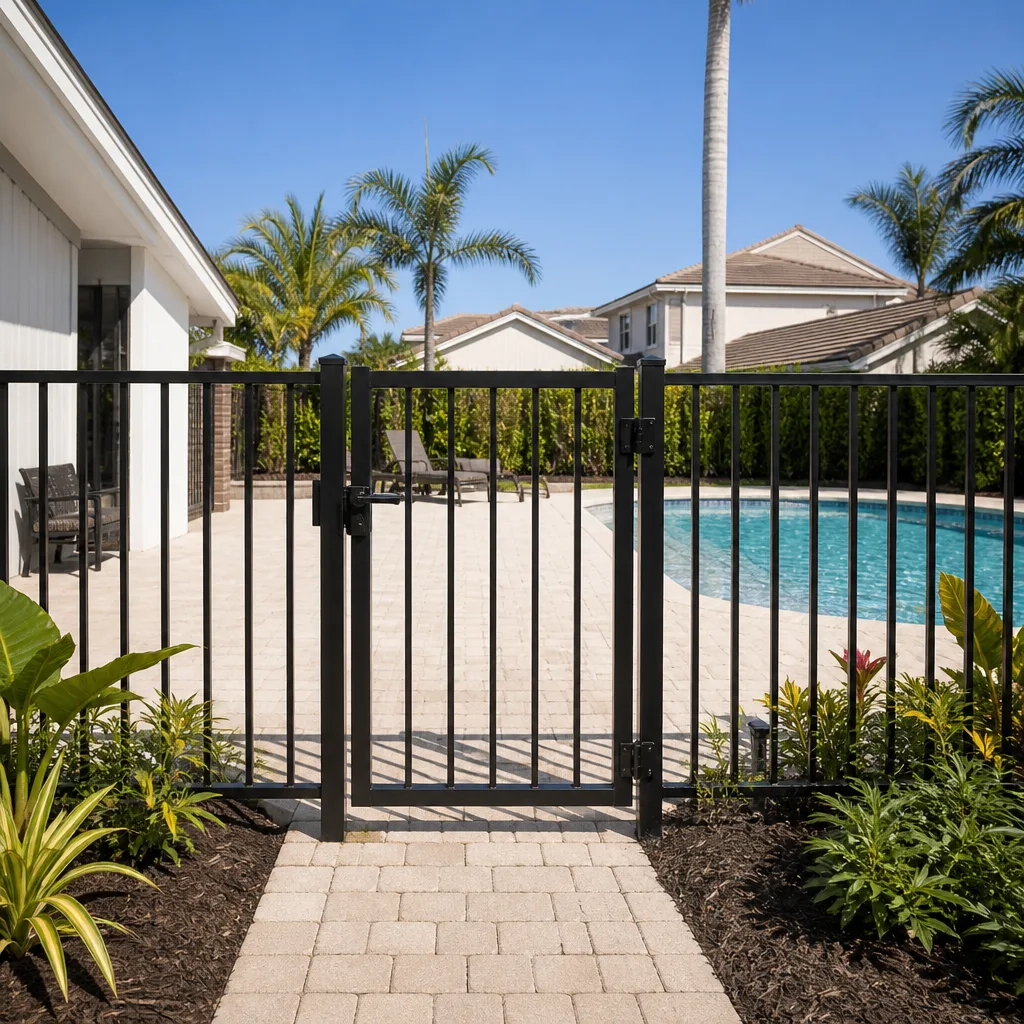
- Fencing consistency. A front fence needs to match the character of the streetscape and the property. Bufftech and ActiveYards both offer profiles that pass review when specified correctly – and don’t when they aren’t.
- Window and door profiles. Replacing one window in a different finish or muntin pattern than the rest of the house is a common DIY outcome and a common review failure.
- Roof pitch and material. A roof is a large visual element on any Coral Gables house. Matching the existing material and profile matters, and getting it wrong is expensive to undo.
This is where a multi-trade contractor earns their keep. One contractor, every trade means the driveway, the fence, the windows and the roofline are all specified together, and the aesthetic holds. Our Coral Gables Construction team works across those seven trades because that’s what the review standard actually requires.
A Step-by-Step Framework for Deciding
Here’s a practical sequence we recommend any Coral Gables homeowner run through before committing to either path. It takes about an hour of homework and saves months of regret.
- Check the property’s historic status. Look up whether your address is inside a designated historic district or carries a historic designation. If it does, assume Board of Architects review applies to exterior work.
- Check whether the scope requires a permit. Call the city’s building department and describe the work in plain terms. Get an answer in writing if you can.
- Determine whether an owner-builder permit is allowed for your scope. Some scopes accept it. Others effectively don’t. Confirm before you buy anything.
- Get a code required engineer involved if the scope calls for it. Structural work, additions and certain wind-load calculations need sealed drawings. That doesn’t change because you’re pulling the permit yourself.
- Write out the full cost including time. Materials at retail, tool rental, inspection fees, re-inspection risk, and the hours you actually have available. Compare to a written contractor estimate.
- Check your insurance position. Call your carrier and ask specifically how a claim would be handled if the work was self-performed. Get the answer before you start.
- Think about resale. If you plan to sell within a few years, ask whether an unpermitted or owner-permitted scope will complicate the disclosure. For most Coral Gables properties, that alone settles the question.
If any of those steps leaves you uncertain, the honest answer is that the project has crossed into professional territory. That’s not a sales pitch. It’s a risk assessment.
Choosing the Right Material for Your Project
One of the quiet advantages of hiring a multi-trade contractor is material depth. When we quote a Coral Gables kitchen, we can put Cambria, Silestone and Caesarstone side by side and let the homeowner weigh cost, durability and finish against the actual design. When we quote a roof, GAF, CertainTeed and Owens Corning sit on the same sheet with real performance differences spelled out. When we quote a driveway, Belgard, Unilock and Tremron all get compared rather than one brand offered take-it-or-leave-it.
For an owner-builder, that comparison doesn’t exist. You take what the supplier has in stock, at retail, with no account pricing. On projects like windows and doors, the specification gap is even wider: impact-rated glazing from PGT, CGI and ECO Window Systems gets specified based on the opening, orientation and load, not on what’s on the shelf.
That’s the case for one contractor, every trade. It’s also the case for specifying by name, not by category. A homeowner who says “I want a paver driveway” gets a different result than one who says “I want a Belgard or Unilock pattern that matches the house.” Our fence installation and hardscape teams work the same way.
Common Mistakes to Avoid
- Assuming the owner-builder exemption applies everywhere. Florida’s exemption is statewide, but Coral Gables adds historic district review and Board of Architects approval requirements that effectively require a licensed contractor of record on many exterior projects. Check your address before you check your schedule.
- Buying materials before permit review. A homeowner who orders roof shingles, windows or pavers before the city reviews the plans frequently ends up with a garage full of material that can’t be installed under the approved scope.
- Skipping the insurance call. Most self-performing homeowners never ask their carrier how a claim would be handled. Ask first. The answer changes the calculus more than the labor savings do.
- Underestimating humidity and UV exposure. South Florida’s climate punishes shortcut flashing, thin waterproofing and poorly sealed rough openings. The failure shows up a year later, often as mold or water intrusion rather than a visible crack.
- Mixing trades and getting mismatched results. A fence replaced without considering the paver pattern, or windows replaced without considering the roof, produces a house that reads as an assembly of projects rather than a home. Coral Gables aesthetics are unforgiving on this.
- Forgetting re-inspection fees and schedule slip. Each failed inspection means a re-inspection fee plus another week of waiting. Budget for one round of failure at minimum.
- Assuming the sale will be simple. Unpermitted or owner-permitted work surfaces during title search and buyer inspection. In a market as detail-oriented as Coral Gables, that negotiation is usually expensive.
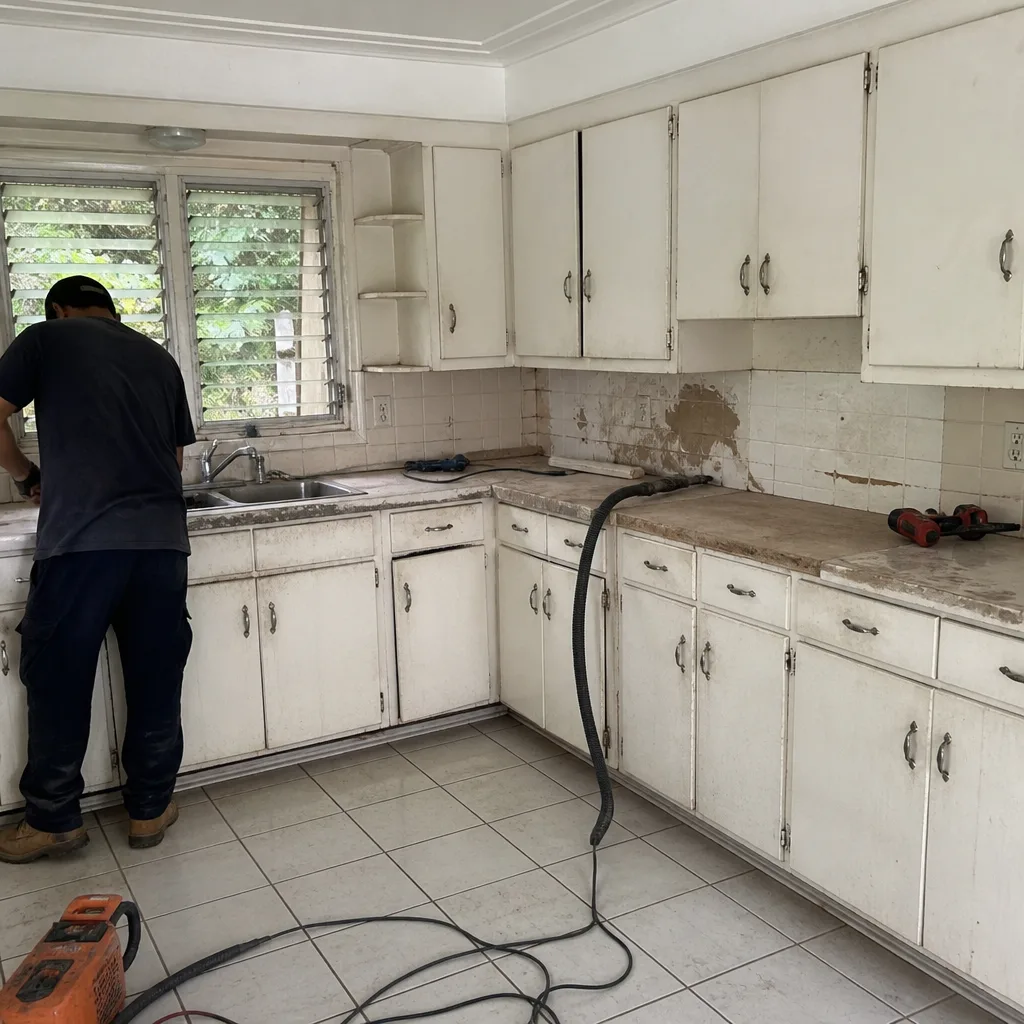
See the difference
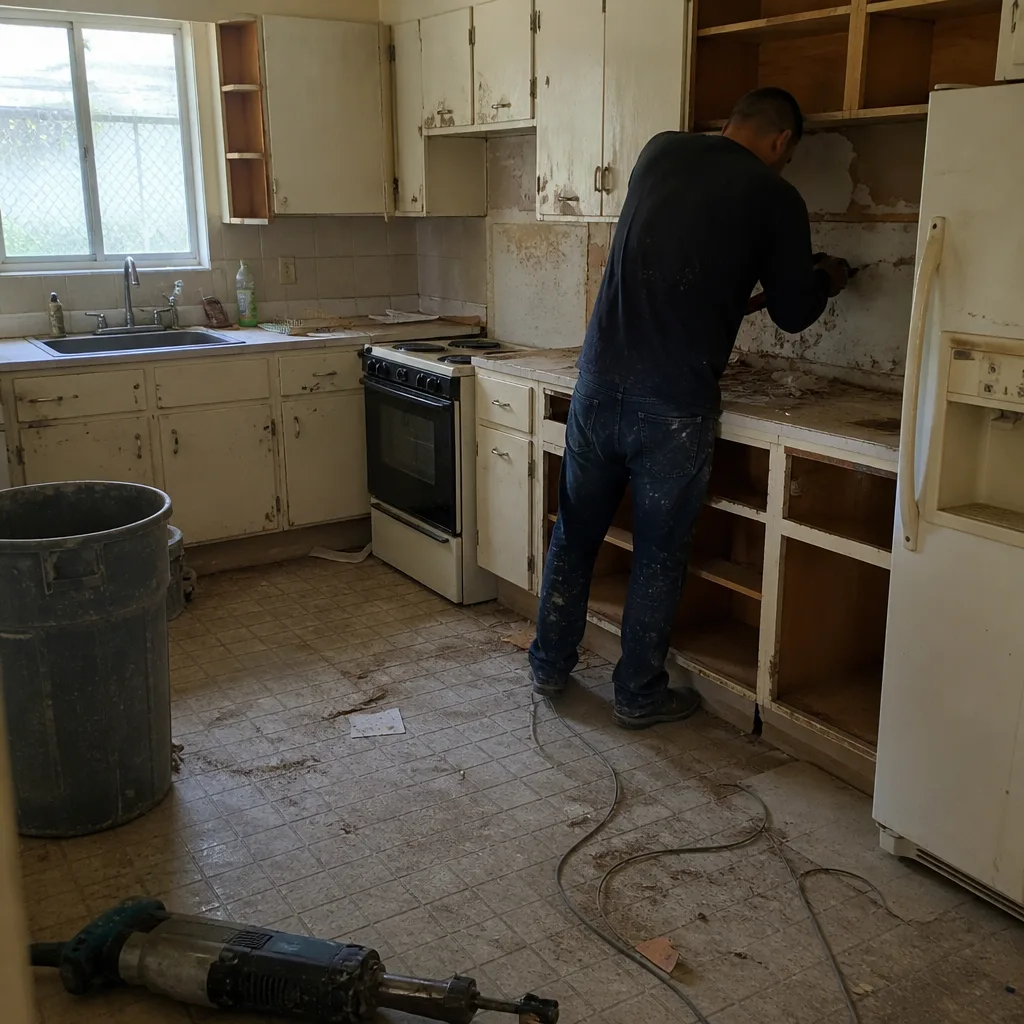 Before
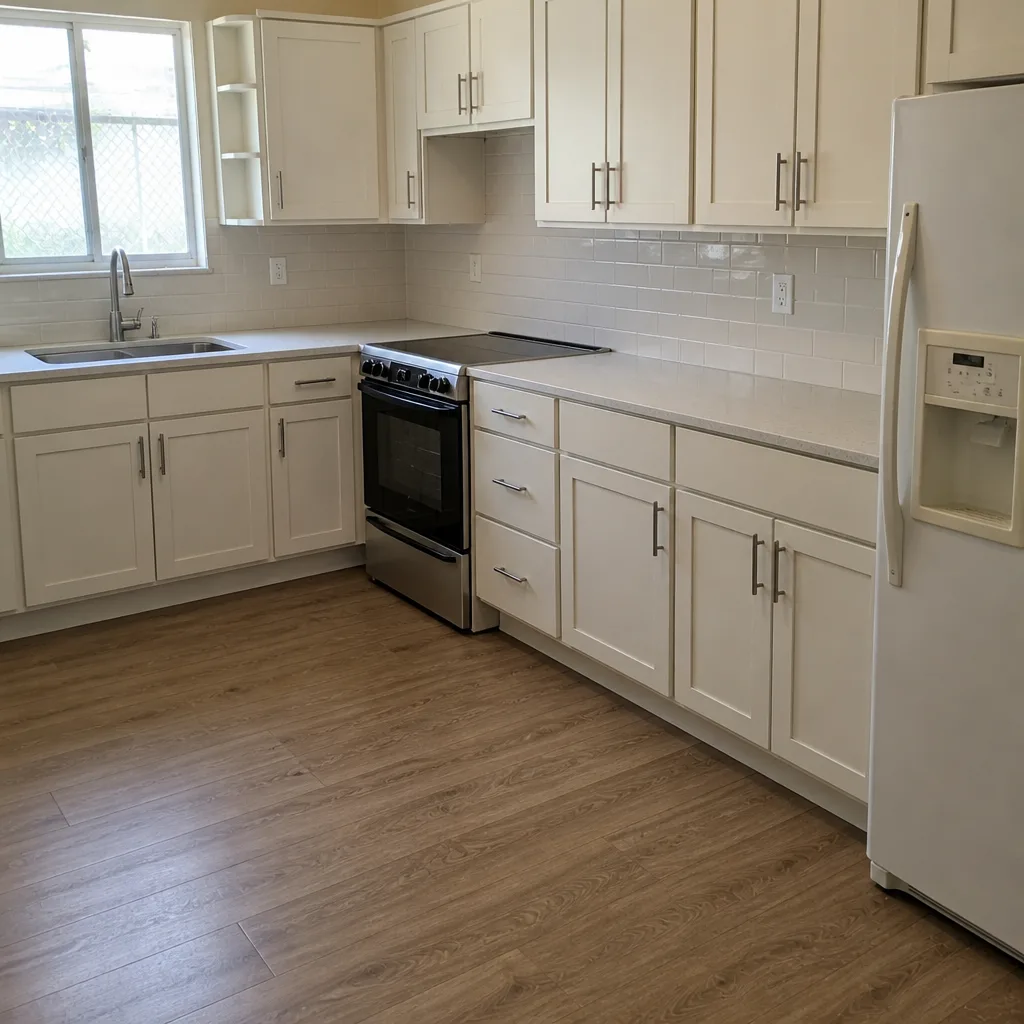 After
 Before
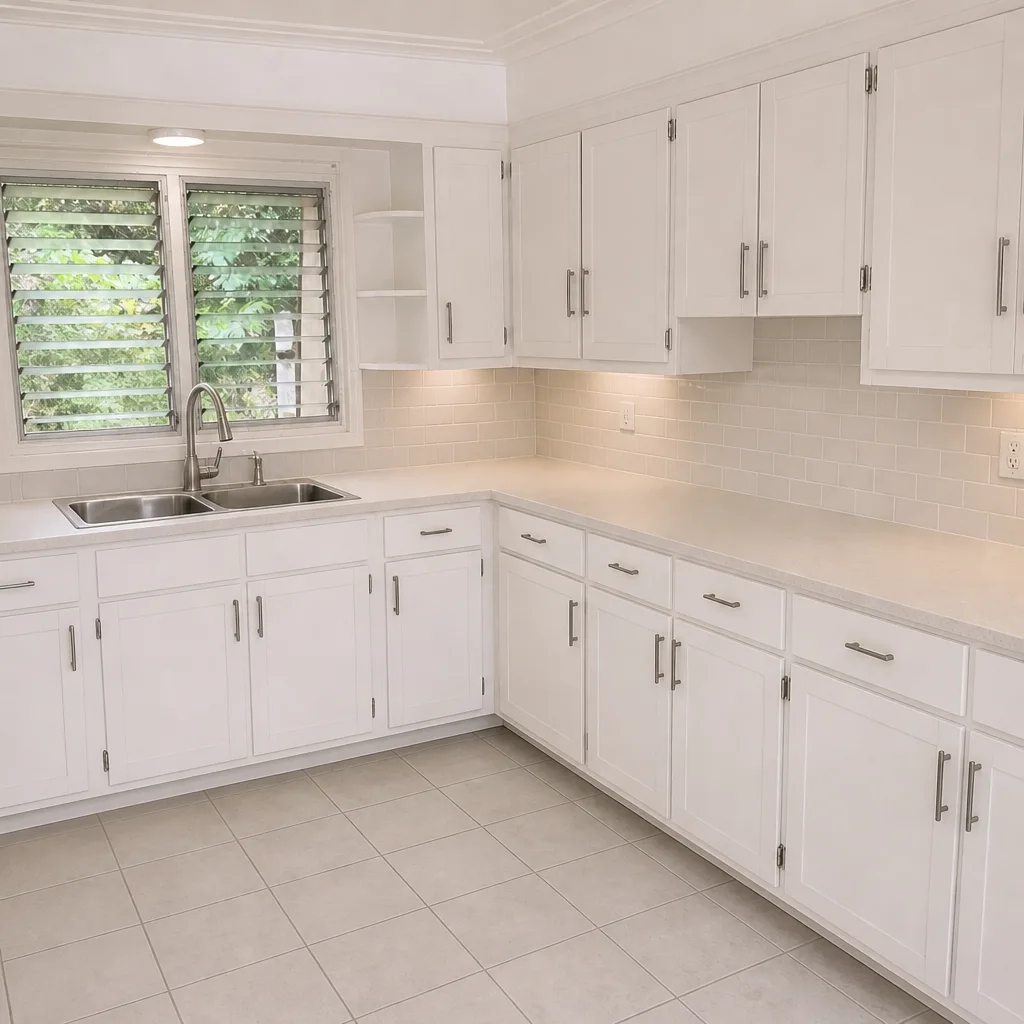 After
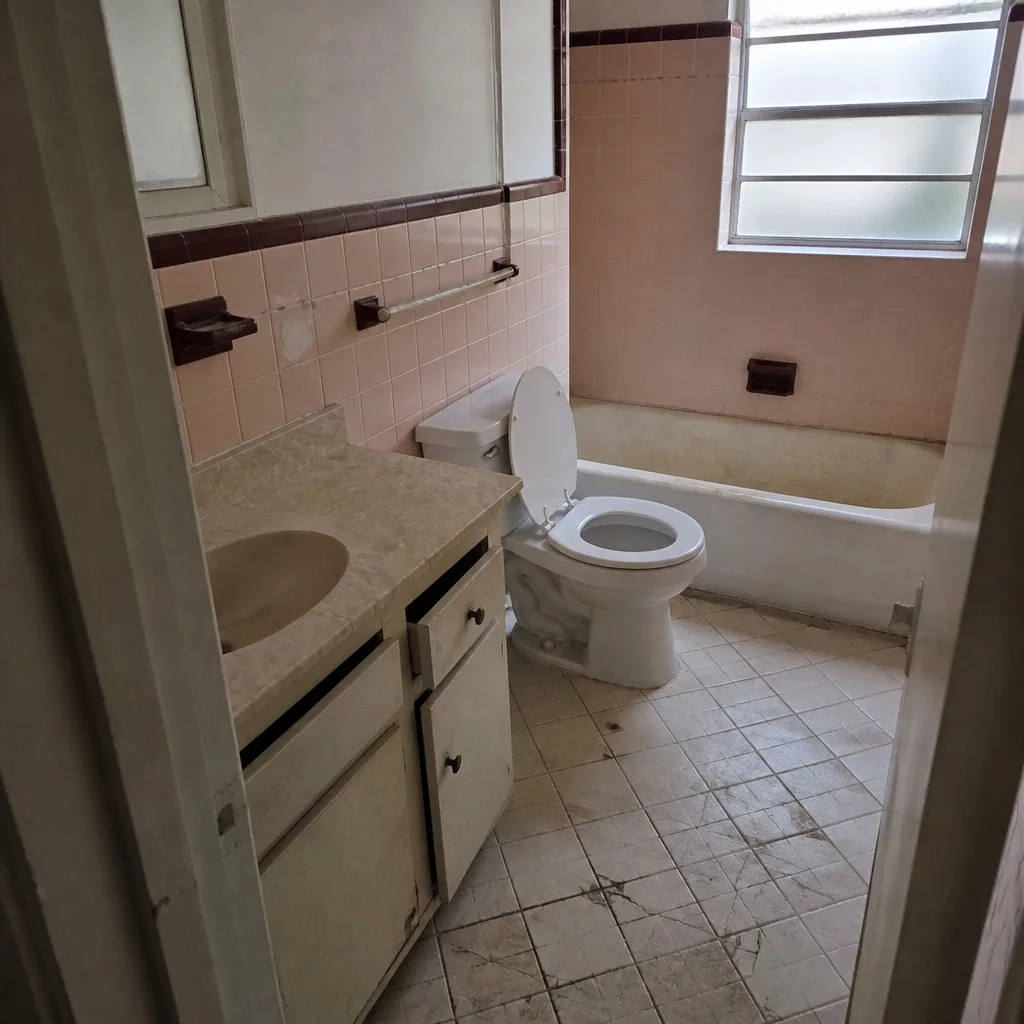 Before
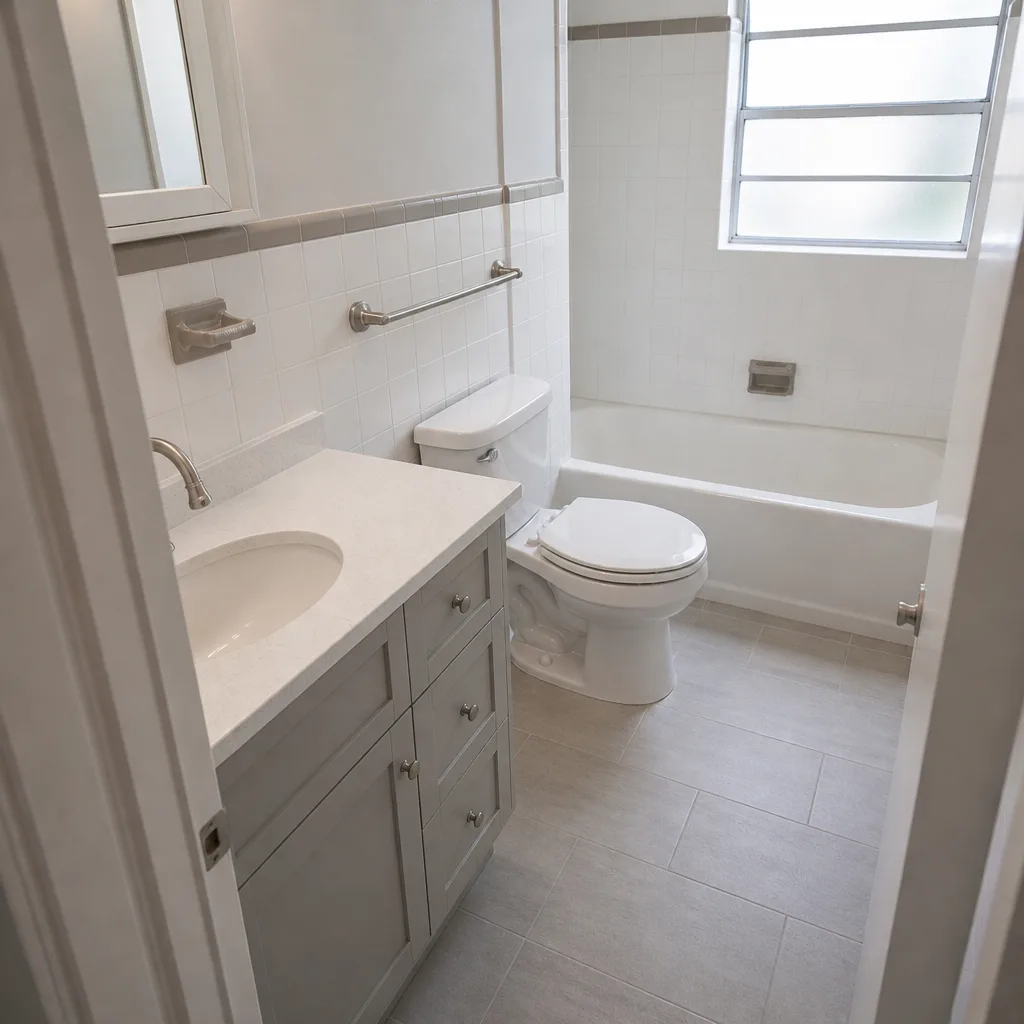 After
When to Call a Professional
Bring in a professional when any of the following is true: your property is in a historic district or subject to Board of Architects review; the scope requires an engineer’s sealed drawings; the work involves electrical, plumbing, mechanical or roofing; the project involves waterproofing of any kind, including a shower or a balcony; or you plan to sell within a few years and want a clean permit record. Add windows, doors and impact glazing to that list – the specification work is real and the failure mode is expensive.
Our technicians have up to 12 years of experience across residential construction, from exterior hardscape to interior remodeling, and we handle all seven of our service categories under one contract so the sequence holds together. Coral Gables Construction offers free estimates in Coral Gables. Call (844) 797-9523. We answer 24/7. Fast dispatch from 7am to 7pm, Sunday through Friday.
Frequently Asked Questions
You can pull an owner-builder permit in Coral Gables for work on a home you occupy, under Florida’s owner-builder exemption, but the scope is narrower than most homeowners expect. Projects inside designated historic districts, projects requiring Board of Architects approval, and most structural, electrical, plumbing and roofing scopes effectively require a licensed contractor of record. Call (844) 797-9523 for a free estimate if you’re unsure where your project falls.
There’s no single number – the cost difference depends entirely on the project – but the DIY savings are usually smaller than the material list suggests once you add retail pricing, tool rental, inspection and re-inspection fees, and schedule slip. A written line-item estimate from a contractor puts the professional number on paper so you can compare honestly. Call (844) 797-9523 for a free estimate.
Yes, it usually does. Coral Gables buyers and their agents ask about permits, and unpermitted work surfaces during title search and buyer inspection. It can delay a closing, force you to pursue a permit after the fact, or require price concessions. Getting the permit right the first time is the cheaper path.
For a full kitchen or bathroom remodel that involves electrical, plumbing and structural work, yes – those trades carry their own licensing requirements. Even where an owner-builder permit is technically possible, the inspection sequence and warranty requirements on products like Cambria countertops or Kohler fixtures usually favor professional installation. Call (844) 797-9523 for a free estimate on your scope.
Exterior work on properties in designated historic districts typically requires Board of Architects review – roofs, windows, doors, additions, front-yard fencing and certain hardscape all fall into that bucket depending on location and scope. The specific requirements depend on your address and the property’s designation, so confirm with the city’s historic preservation office before you commit to a design.
Sometimes, on genuinely low-risk cosmetic work like interior painting or trim carpentry, DIY saves real money. On anything with an inspection path or a waterproofing detail, the savings often disappear once you account for retail material pricing, re-inspection fees, rework, and the insurance exposure you’re carrying yourself. For most Coral Gables homeowners, the answer lands on professional. Call (844) 797-9523 for a free estimate and a straight comparison.
The Bottom Line
In Coral Gables, the DIY decision is a legal one before it’s a skill one. Florida’s owner-builder exemption is real, but Coral Gables layers historic district review and Board of Architects approval on top, and those requirements effectively require a licensed contractor of record on most exterior and structural work. Where DIY is genuinely viable, it’s usually cosmetic. Where it isn’t, the costs that hurt are the ones that show up months later: insurance exposure, failed inspections, warranty loss, and a disclosure problem at resale. Run the seven-step framework before you commit. If the answer lands on professional, get an estimate in writing and compare it honestly to the real DIY cost. One contractor, every trade means the driveway, fence, windows, roof and interior all get specified together – and the aesthetic holds from the driveway to the roofline.
To schedule a free estimate in Coral Gables, call (844) 797-9523. We answer 24/7. Fast dispatch from 7am to 7pm, Sunday through Friday. Bring your plans, or let us build the case for what your property can actually support.
Written by the team at Coral Gables Construction.