Last updated November 17, 2026


Free written scope consultation - allowances, timeline, and change-order rules on paper before a single trade is scheduled
Construction Emergency Preparedness Guide for Coral Gables Homes
Most Coral Gables homeowners treat storm readiness as a shopping list: batteries, water, plywood. That misses the point. The damage that turns a manageable storm into a six-week displacement usually starts long before the first forecast, in a fastener schedule nobody checked, a stucco crack nobody sealed, or a roof-to-wall connection that was never documented. After Hurricane Irma, some Coral Gables homeowners waited six to eight weeks for licensed contractor response. It wasn’t that contractors were unavailable. The city’s inspection queue and contractor licensing verification requirements slowed re-entry and repair authorization. Homeowners who had done the structural work in advance moved faster. This guide walks through the audit, the documentation, and the post-storm decision sequence that make the difference.
Quick Answer
Construction emergency preparedness in Coral Gables means auditing the structural systems that fail first in a storm – roof fasteners, impact glazing hardware, stucco envelope, and drainage – then documenting your home’s pre-storm condition in a format insurers and contractors actually accept. The goal is a written record and a pre-established contractor relationship so that when a storm passes, repair authorization and inspection move quickly instead of stalling for weeks. Year-round readiness, not a scramble the week before landfall, is what protects the building and the claim.
Styles & brands we work with
- Kitchen remodeling
- Bathroom remodeling
- Home additions & ADU
- Roofing
- Windows & doors
- Driveway & pavers
- Fence
Table of Contents
- The Pre-Storm Structural Audit Checklist
- How to Document Your Home’s Pre-Storm Condition
- Impact Glazing: What Determines Whether It Holds
- Stucco Integrity and Drainage Clearance
- The Post-Storm Inspection Sequence
- Why Contractor Relationships Decide Your Timeline
- Temporary Repairs in the First 72 Hours
- Common Mistakes to Avoid
The Pre-Storm Structural Audit Checklist
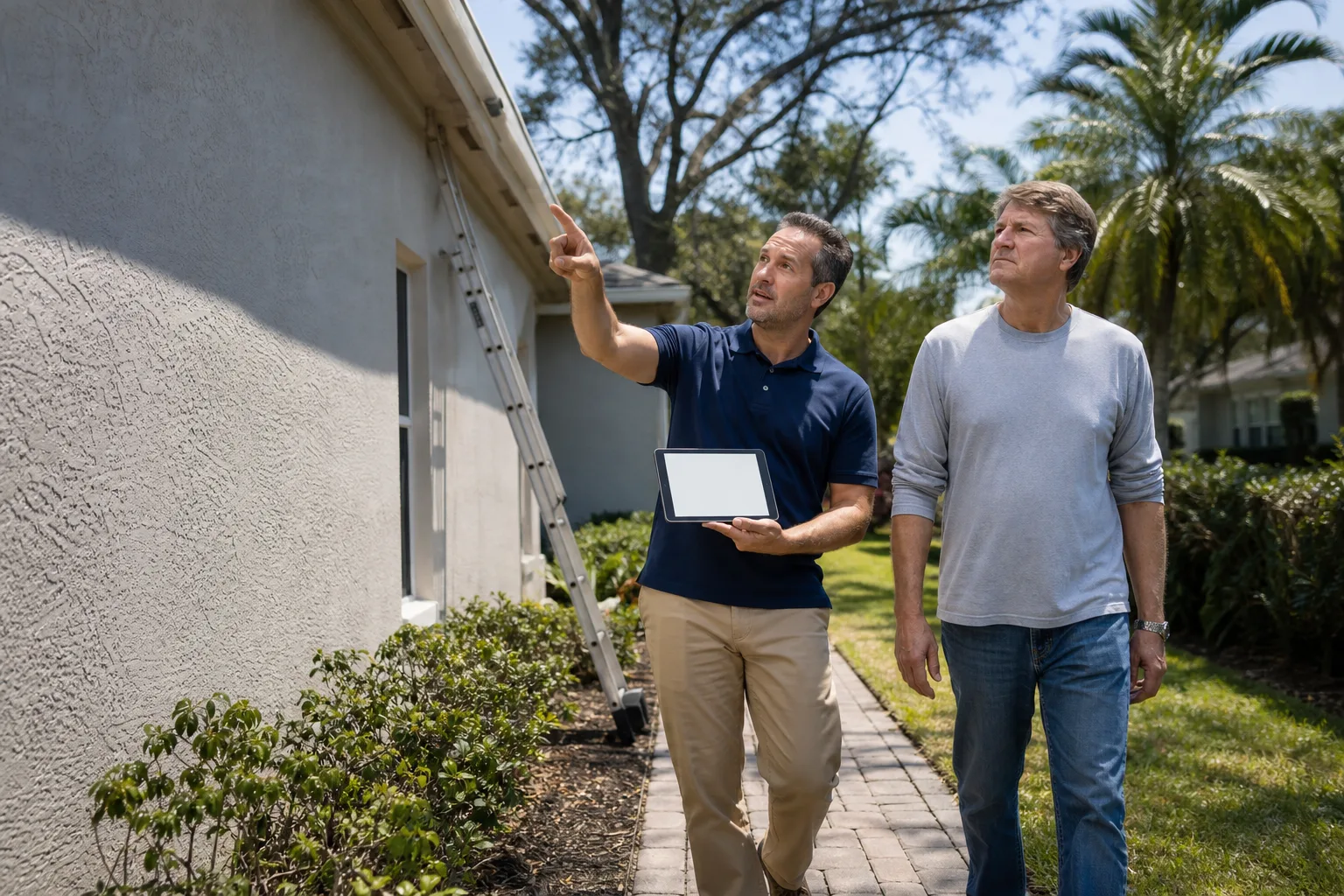
A storm doesn’t create weaknesses in a Coral Gables house. It reveals them. The audit below is what determines how much damage your home takes, and it’s the same set of items a contractor walks through before any hurricane-season work begins. Do it once a year, ideally in late spring before the season peaks, and update the record after any major renovation.
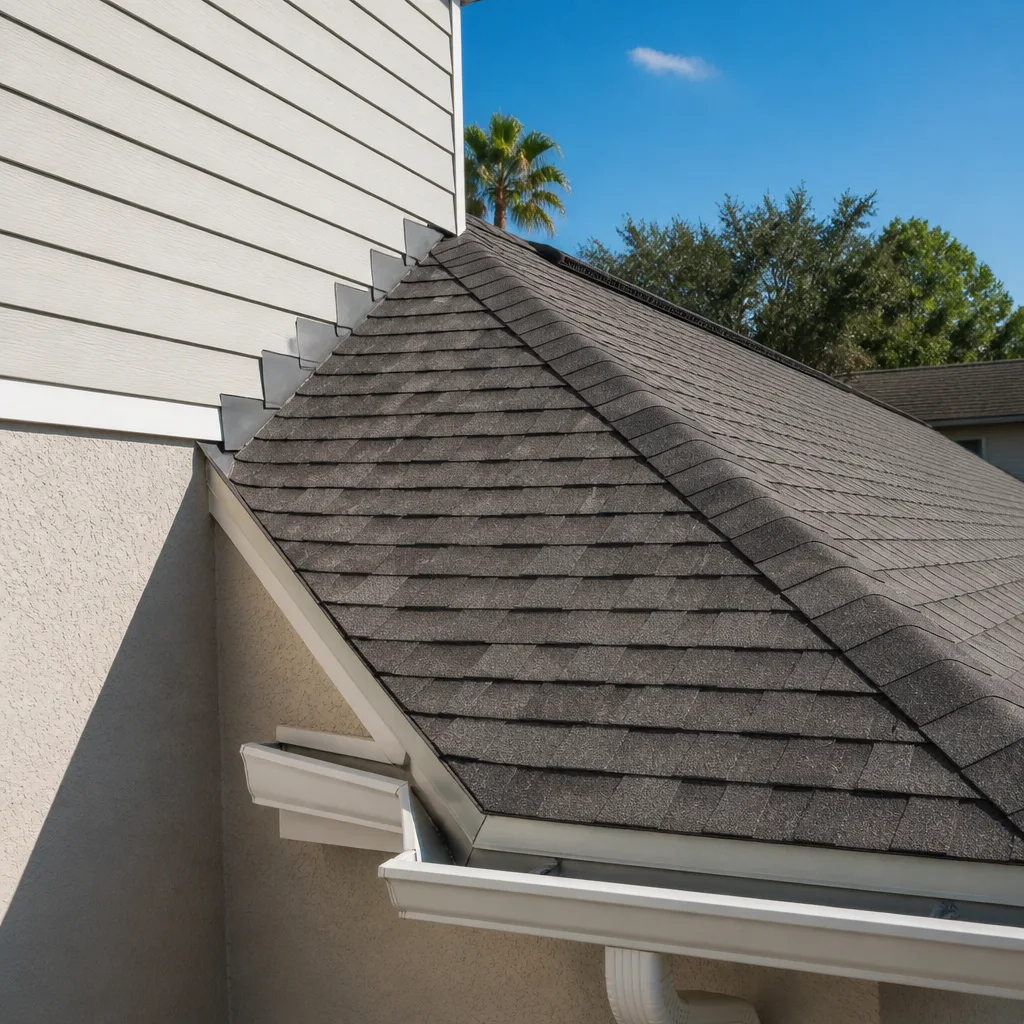
- Roof fastener schedule. Confirm the roof covering is attached per the manufacturer’s high-wind specification. If the deck was re-nailed under a permit, that documentation should be in your file. If it wasn’t, a licensed roofer can assess the attachment pattern from the attic side and tell you whether it meets current requirements for your area.
- Roof-to-wall connections. Where the roof framing ties into the walls matters as much as the shingles or tile on top. A structural assessment flags straps or clips that are missing or corroded.
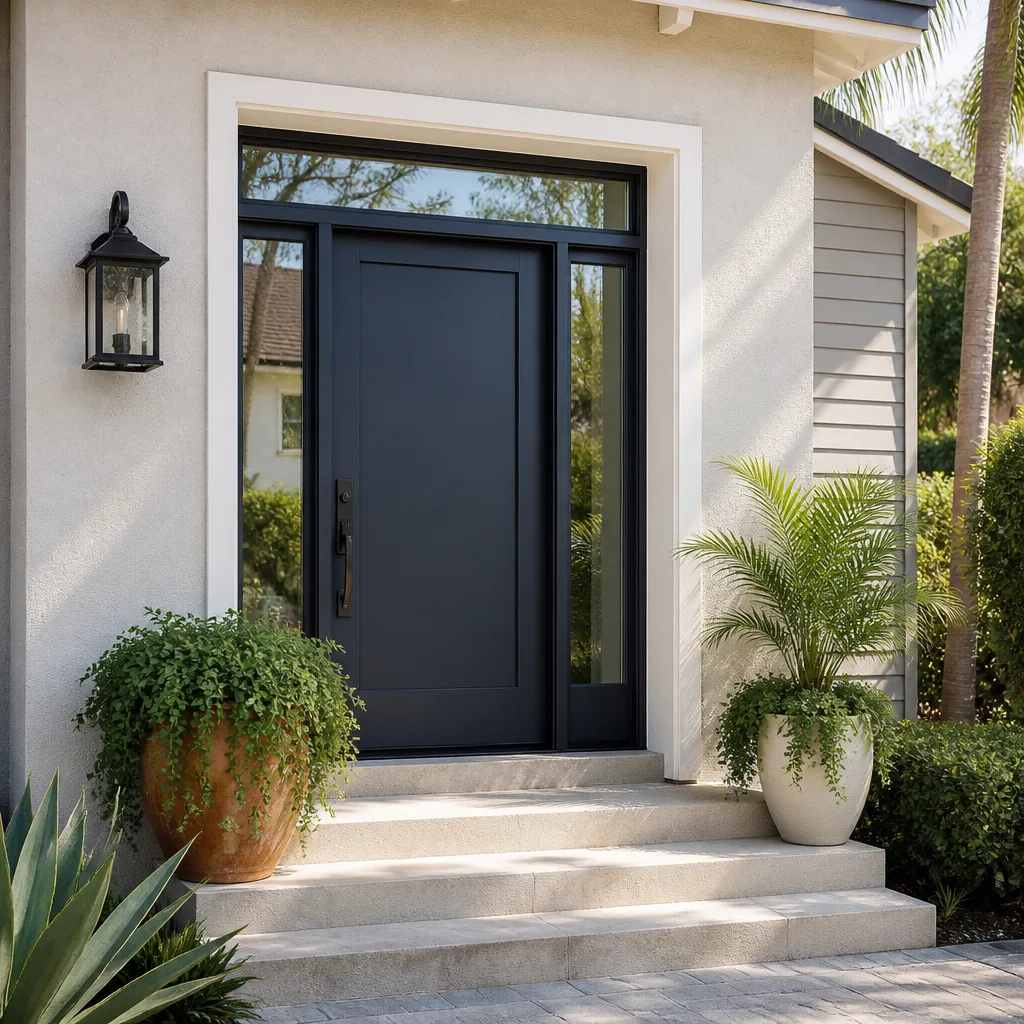
- Impact opening hardware. Every impact-rated window and door has hinges, locks, and frame anchors that wear. Check that they operate smoothly and that the frame seals haven’t hardened or pulled away from the wall.
- Stucco integrity. Walk the exterior and look for hairline cracks, hollow-sounding areas, and any spot where the finish has separated from the substrate. Those are water entry points.
- Drainage clearance. Clear gutters, downspouts, and yard drains. Confirm that grading moves water away from the foundation rather than pooling against it.
- Garage door and entry door bracing. A garage door that isn’t rated for wind pressure is often the first opening to fail, and when it does, pressure builds inside the house.
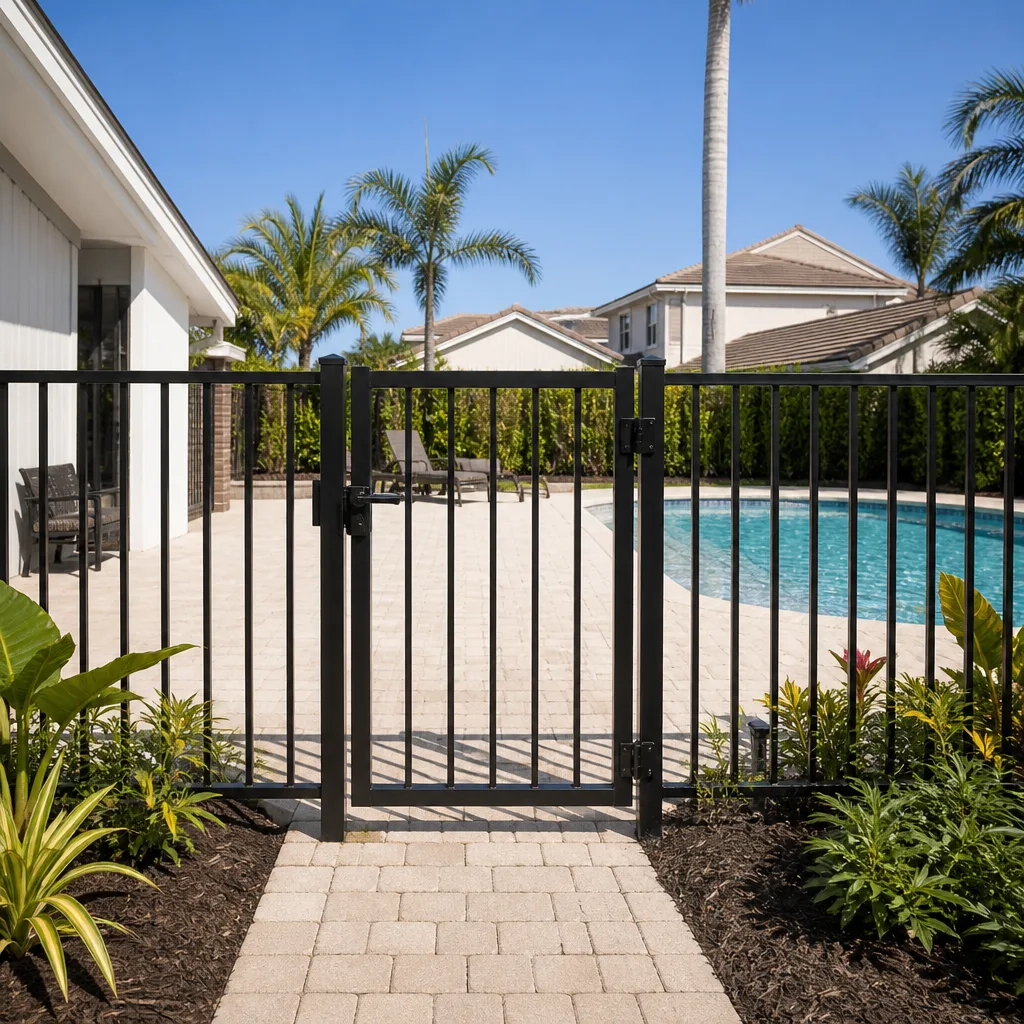
- Exterior attachments. Fencing, pergolas, and paver edges become projectiles and debris sources. A well-set fence installation with properly embedded posts handles wind far better than one that was set shallow.
None of these items is exotic. Every one of them is cheaper to fix in calm weather than after a storm.
How to Document Your Home’s Pre-Storm Condition
The documentation you build before a storm is what supports an insurance claim and what lets a contractor scope repair work without guesswork afterward. Most homeowners take a few photos of the roof and call it done. That’s not enough. The format matters because it’s what an adjuster and a contractor both read.
Here’s the documentation set that actually holds up:
- Dated, wide-to-close photo sets. Start with a wide shot that establishes location, then move in. Do this for every elevation of the house, the roof from a safe vantage, all windows and doors, and the driveway, fence, and hardscape.
- Product records. Keep the manufacturer and model for your roofing system, windows, and doors, plus any impact rating documentation. If your roof is a GAF, CertainTeed, or Owens Corning system, the product documentation supports both claims and re-roof scoping.
- Measurements. Note the square footage of the roof, the dimensions of each opening, and the linear footage of fencing and hardscape. A contractor can price faster with numbers already on hand.
- Permit and inspection history. Keep records of past permitted work. This shortens the verification step after a storm.
- A written condition summary. A short narrative describing the current state of the roof, envelope, and openings, dated and signed by whoever prepared it, gives an adjuster a baseline.
Store the whole package somewhere it survives the storm: cloud storage plus a physical copy that travels with you. In our experience, the homes that move through claims quickly are the ones with a clean, dated record already assembled.
Impact Glazing: What Determines Whether It Holds
Impact-rated windows and doors are only as good as their installation and their hardware condition. The glass itself rarely fails first. The frame anchorage, the seals, and the operating hardware are what determine performance under pressure. This is where a prepared Coral Gables home separates from an unprepared one.
What to check on your impact openings:
- Frame anchorage. Confirm that frames are anchored to the structure per the manufacturer’s specification, not just caulked into the opening.
- Seals and gaskets. Inspect weatherstripping and gaskets for hardening, shrinkage, or separation. A compromised seal lets water in even when the glass holds.
- Hardware operation. Hinges, locks, and handles should operate without force. Stiff hardware is a sign of misalignment or corrosion.
- Impact rating documentation. Keep the product literature on file. When you need to demonstrate the opening was rated and installed correctly, the paperwork matters.
If your openings are older standard units and you’re considering an upgrade, this is the moment to specify high-performance glazing by name rather than by category. PGT, CGI, and ECO Window Systems are all on our roster, which means we can compare ratings and installation requirements across manufacturers rather than pushing a single take-it-or-leave-it option. For a Coral Gables home in a wind zone, that comparison is worth doing before the season, not during it.
Stucco Integrity and Drainage Clearance
Water does more long-term damage to Coral Gables homes than wind, and stucco is where most of it gets in. A hairline crack in the finish can let moisture reach the substrate, where it sits and slowly compromises the wall. Add a storm’s worth of driving rain and a small entry point becomes a serious problem.
What to look for on the envelope:
- Hairline and spider cracks in the stucco finish, particularly around windows, doors, and corners where stress concentrates.
- Hollow-sounding areas where the finish has debonded from the substrate. Tap gently with a screwdriver handle and listen for a change in tone.
- Staining or efflorescence that signals water is moving through the wall.
- Separation at penetrations – hose bibs, light fixtures, and anything mounted through the wall.
On the drainage side, the checklist is short and worth doing every spring. Clear gutters and downspouts. Confirm downspouts discharge well away from the foundation. Check that yard drains and swales are clear. Make sure the grading slopes away from the house. In Coral Gables, where summer rain is heavy and frequent, a clogged downspout can dump water against the wall for an entire season.
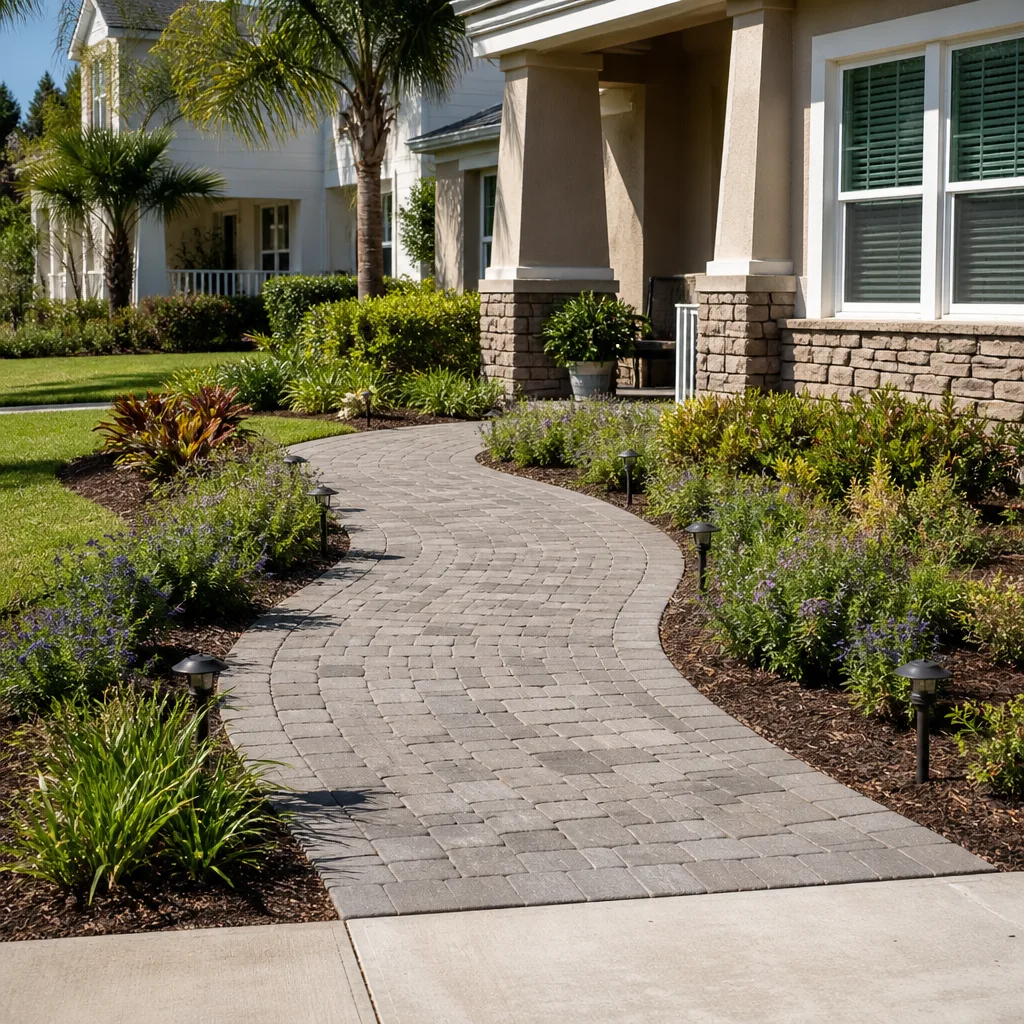
If you’re planning hardscape or driveway work, plan it so that water still moves away from the house. A properly installed driveway & pavers project includes grading and base prep that keeps runoff directed off the property, and that matters more after a storm than the finish does.
The Post-Storm Inspection Sequence
After a storm, the order in which you assess your home matters. Some visible damage is an emergency. Some is addressable on a 30-day timeline. Some should not be touched by anyone except a licensed engineer. The sequence below is how we approach a post-storm assessment. It’s ordered by consequence, not by convenience.
- Life safety first. Check for gas odors, downed power lines, and structural instability before entering. If anything feels off, stay out and call the appropriate authority.
- Roof system. Assess from the ground with binoculars or from a safe interior vantage. Note missing covering, lifted edges, and visible penetrations. Never walk a storm-damaged roof. This is one of the genuinely dangerous parts of the job, and it’s why we recommend a licensed professional handle any roof inspection after a storm.
- Openings and envelope. Check windows, doors, and sliding units for cracks, water intrusion, and hardware damage. Walk the stucco and note new cracks or separation.
- Water intrusion and interior damage. Look for ceiling stains, bubbling paint, and soft drywall. Water damage gets worse by the day and often hides behind finishes.
- Exterior hardscape and fencing. Note displaced pavers, lifted fence sections, and anything that created debris.
- Structural concerns. Any visible deflection in a wall, roof sag, or cracked structural member requires a licensed engineer’s assessment before any contractor begins work. This is a hard stop, not a scheduling question.
The framing question is simple: if it’s cosmetic, a contractor can scope it. If it’s structural, an engineer signs off first. Getting that sequence wrong creates permit complications down the line.
Why Contractor Relationships Decide Your Timeline
Coral Gables’ post-storm contractor market favors homeowners who already have a working relationship, and it’s not a matter of favoritism. It’s the verification and inspection process. When repair work is authorized after a storm, the city’s inspection queue and the contractor licensing verification requirements can add weeks. A contractor who already knows your home’s history, has your documentation on file, and can move straight to scoping saves exactly that time.
What this looks like in practice, established before the storm:
- A prior walkthrough. Even a free estimate for a planned project gives a contractor a record of your home’s condition and systems.
- A file of documentation. Product records, permit history, and measurements, all in one place a contractor can reference.
- A single point of contact. Multi-trade coverage means one contractor can scope the roof, the windows, the stucco, and the exterior in one visit, rather than four specialists who each need to be scheduled and re-verified.
This is a real advantage of choosing a contractor who handles everything from the driveway to the roofline. Coral Gables Construction’s seven service categories mean a post-storm scope can be handled under one relationship. If you’re planning an addition or a major renovation, it’s also the moment to home additions & ADU planning – a pre-storm conversation about structural attachments and code compliance often improves the storm readiness of the existing house.
Temporary Repairs in the First 72 Hours
The temporary repairs you make in the first 72 hours protect the house. Done wrong, they also void insurance coverage or create permit problems for the permanent repair. The distinction is between protecting the home from further damage and making permanent changes without a permit. Here’s how to stay on the right side of both.
- Do make emergency weatherproofing. Tarping a damaged roof, boarding a broken window, and sealing a wall penetration with plastic sheeting protect the interior and are usually expected to prevent further damage.
- Do document everything. Photograph the damage before you cover it. Keep receipts for materials. Record what you did and when.
- Don’t make structural repairs. Patching a cracked structural member or re-anchoring a roof is not a temporary repair. It requires a licensed contractor and, in most cases, a permit.
- Don’t alter systems or finishes. Swapping a window, cutting new openings, or replacing roofing is permanent work. It needs the proper permits and inspection.
- Don’t discard materials. Keep damaged materials until your insurer has seen them. Throwing them away can complicate the claim.
The general rule across most cities is that weatherproofing to prevent further damage doesn’t require a permit, but permanent repair does. Confirm specifics with Coral Gables’ building department before you start, and keep the permanent repair work in the hands of a licensed contractor. Coral Gables Construction offers free estimates in Coral Gables, and the written estimate sets the final price for the permanent repair.
Common Mistakes to Avoid
- Treating hurricane season as the only deadline. The audit items that matter most – fasteners, stucco, drainage – are best addressed in calm spring weather. Waiting until a storm is named means contractors are booked and inspections are backed up.
- Documenting with photos only. Photos without product records, measurements, and permit history give an adjuster less to work with. Assemble the full package, not just images.
- Walking a damaged roof. This is the most common serious injury after a storm, and the damage to the roof is usually worse than it looks from the underside. Inspect from the ground and let a licensed professional go up.
- Hiring the first contractor who shows up. Post-storm markets attract out-of-area operators. Verify licensing before anyone touches your home, and prefer a contractor you’ve already vetted.
- Making permanent repairs without a permit. Unpermitted work creates problems at resale and can complicate insurance. Coral Gables’ permitting process exists for a reason, and skipping it costs more later.
- Discarding damaged materials before the claim is opened. Insurers often need to see the damaged items. Document, then discard only after the claim is settled.
- Assuming impact glass needs no maintenance. Hardware, seals, and frame anchorage wear. Schedule a check as part of your annual audit.
See the difference
 Before
 After
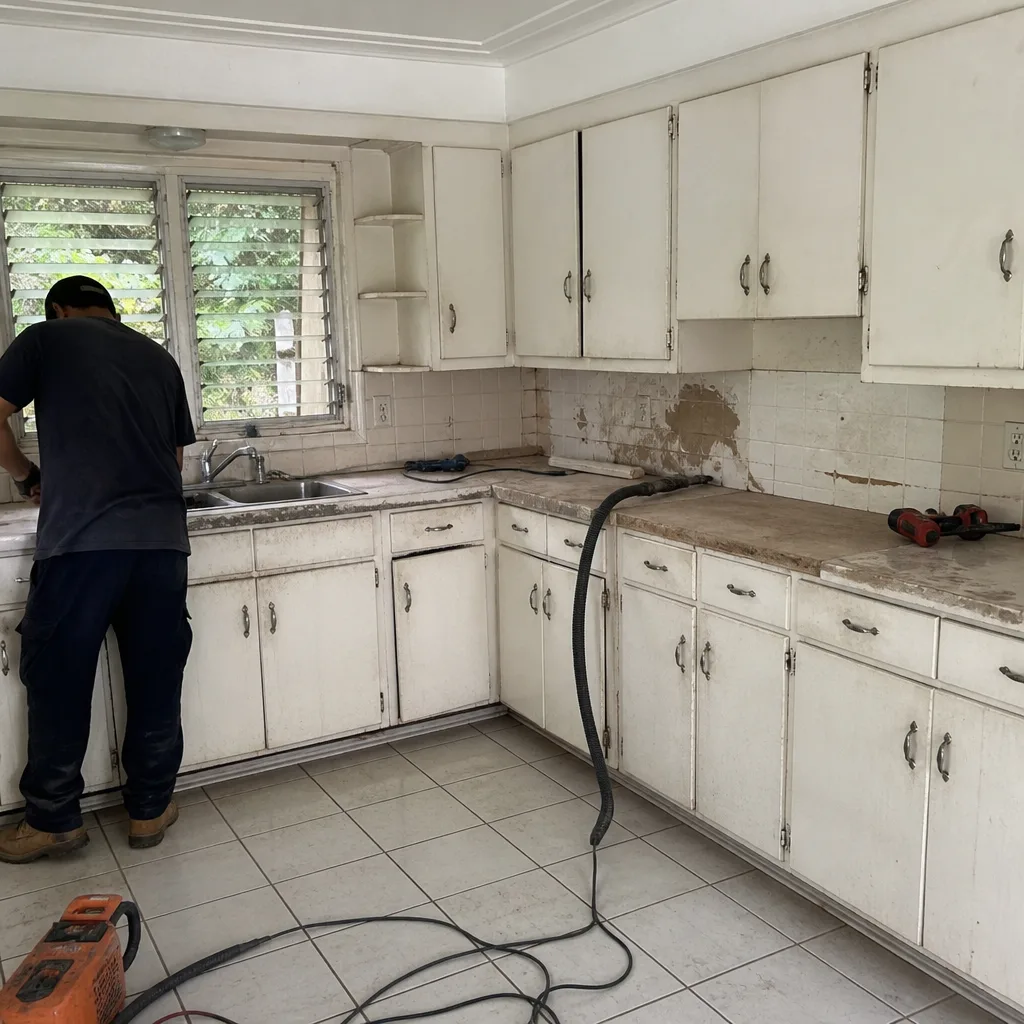 Before
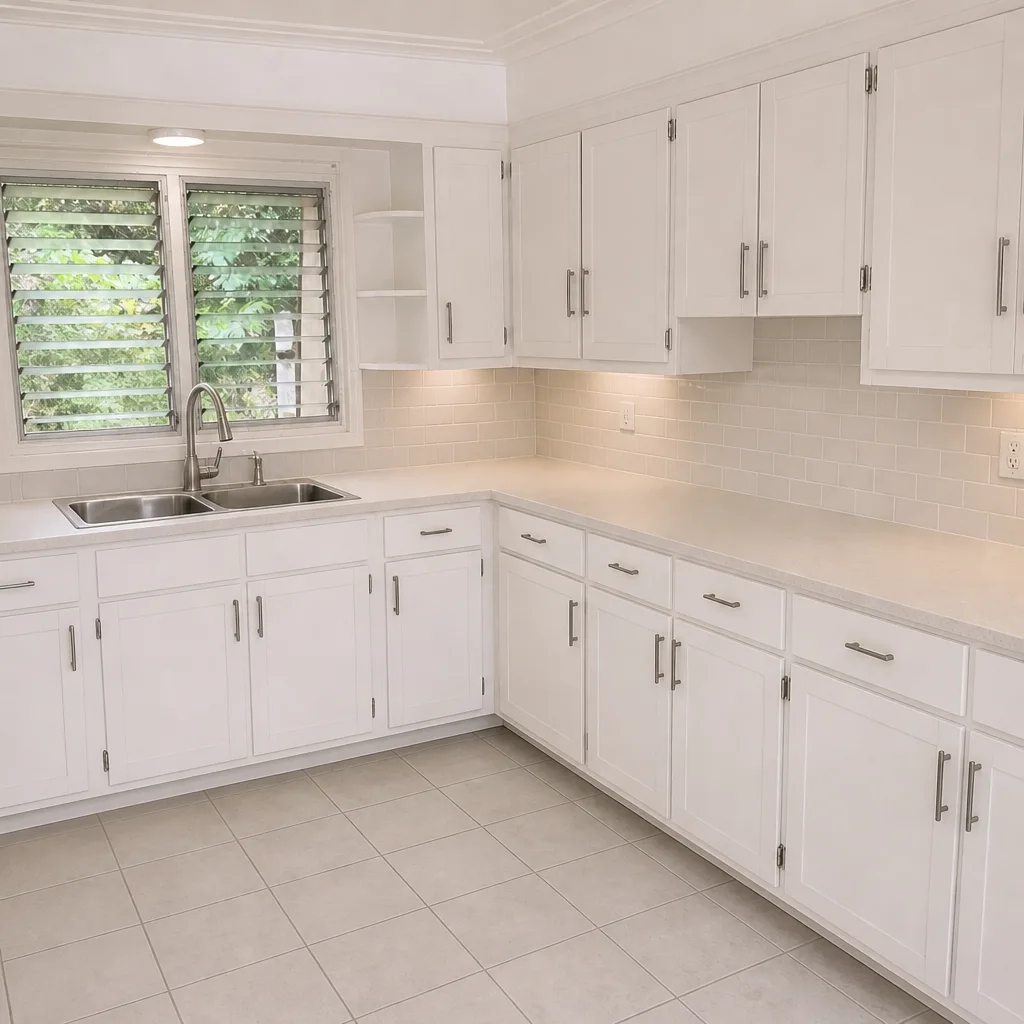 After
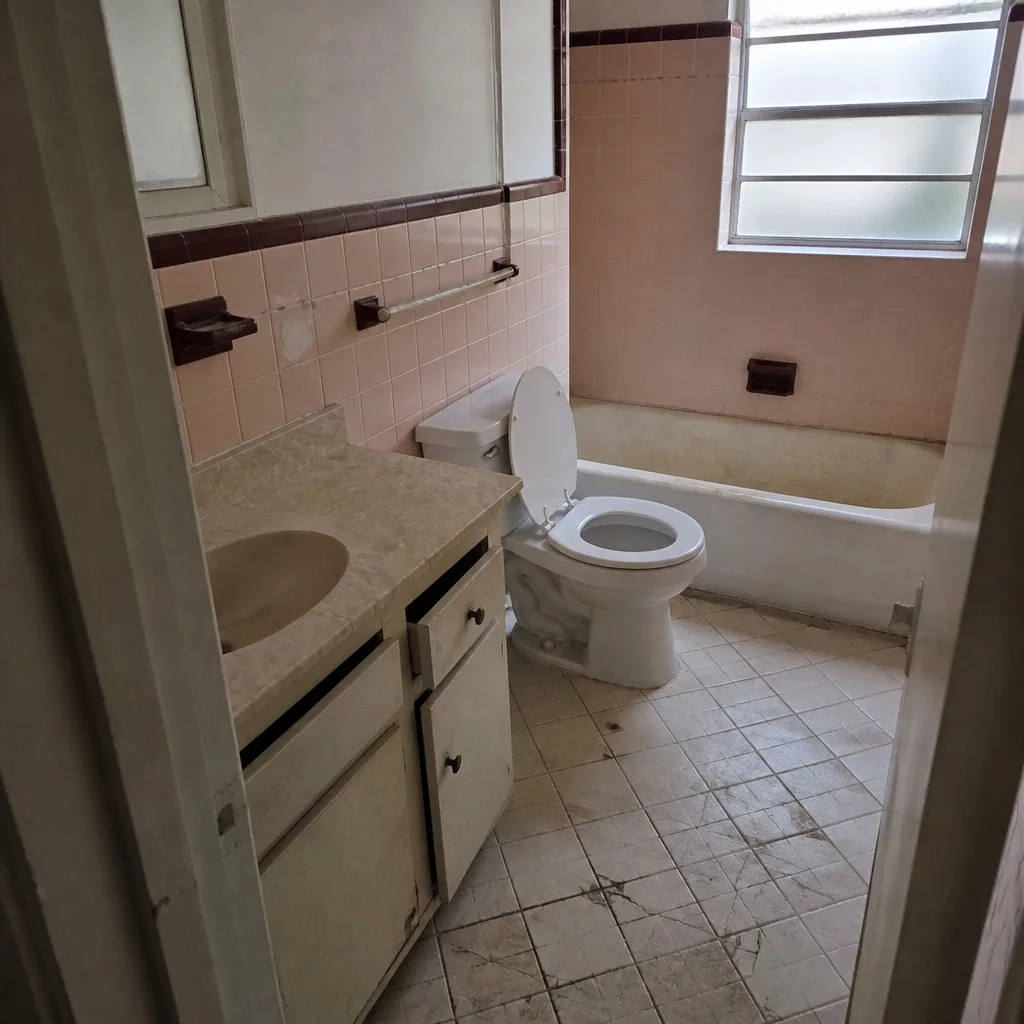 Before
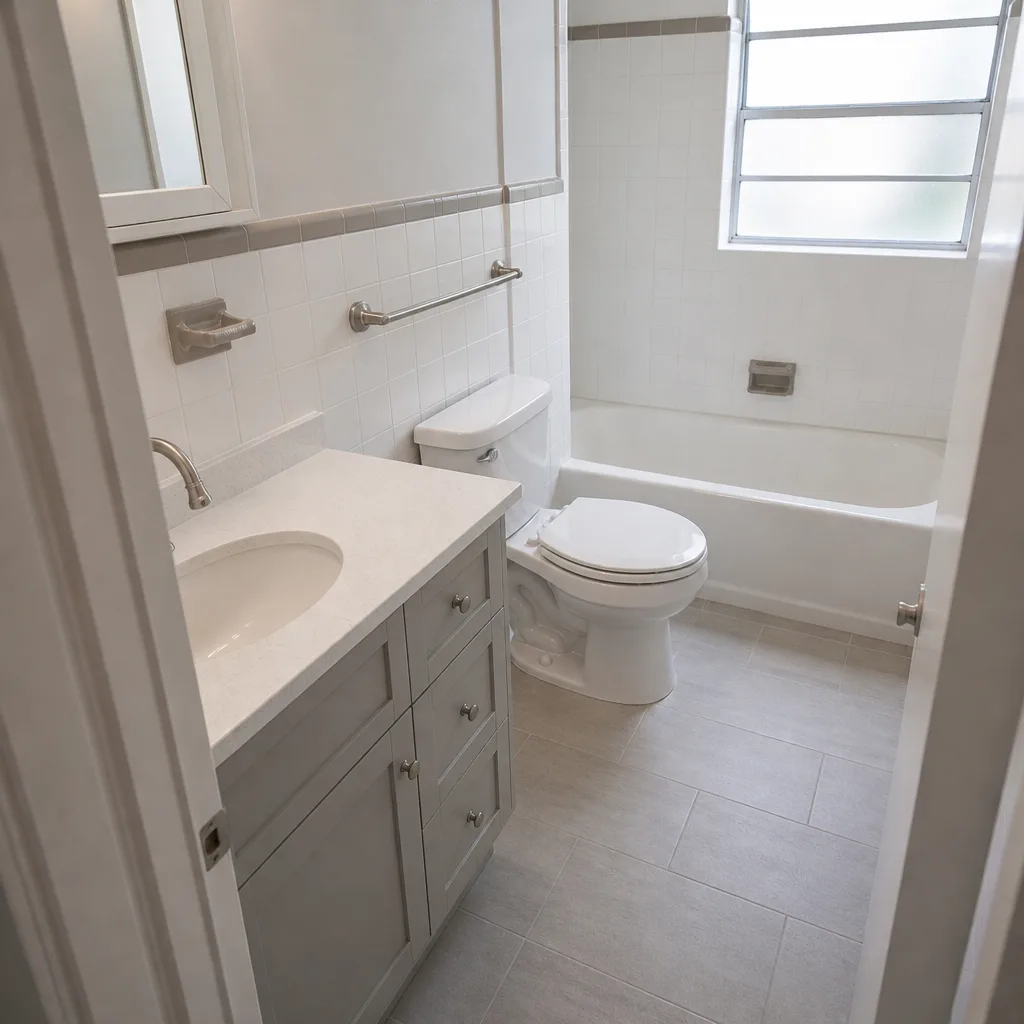 After
When to Call a Professional
Some post-storm conditions are clear calls for a licensed contractor or engineer. Call a professional when you see visible deflection in a wall or roof, when a structural member is cracked, when water intrusion has reached the ceiling or walls, when a window or door frame has pulled away from the structure, or when roof covering is missing across a significant area. Any of these can signal a problem that worsens by the day and can void a claim if handled incorrectly. Our technicians have up to 12 years of experience, and we can scope a post-storm repair across roofing, windows, stucco, and exterior work under one relationship. Coral Gables Construction offers free estimates in Coral Gables – call (844) 797-9523. We answer 24/7. Fast dispatch from 7am to 7pm, Sunday through Friday. For the broader scope of what we handle across every trade, see Coral Gables Construction.
Frequently Asked Questions
Check the roof covering for lifted or missing pieces, confirm the fastener schedule and any re-nailing documentation from past permitted work, inspect roof-to-wall connections from the attic, and clear all gutters and downspouts. Any missing covering or visible damage should be assessed by a licensed roofer before the season, not after. Call (844) 797-9523 to schedule a free estimate.
Yes. Impact glazing performance depends on frame anchorage, seals, gaskets, and hardware, all of which wear over time. Check that frames are anchored correctly, seals aren’t hardened or separated, and hinges and locks operate smoothly. If your openings are older standard units, specifying high-performance glazing by name – PGT, CGI, or ECO Window Systems – gives you a real comparison. Call (844) 797-9523 for an assessment.
Assemble dated, wide-to-close photos of every elevation, the roof, all openings, and the hardscape. Add product records, measurements, permit history, and a short written condition summary signed and dated. Store it in the cloud and keep a physical copy with you. Call (844) 797-9523 and we can walk through what belongs in the file.
Any visible structural deflection, a cracked structural member, or a roof sag requires a licensed engineer’s assessment before a contractor begins work. Cosmetic damage – tiles, finishes, fencing – can be scoped by a contractor. Getting the structural question resolved first avoids permit complications later. Call (844) 797-9523 to discuss the scope.
Emergency weatherproofing – tarping a roof, boarding a broken window, sheeting a wall penetration – prevents further damage and is generally expected to protect the home. Permanent repairs like re-anchoring a roof or replacing a window require a permit and a licensed contractor. Document the damage first and keep receipts. Call (844) 797-9523 for the permanent repair scope.
Contractor response after a storm is slowed by licensing verification and Coral Gables’ inspection queue, not by contractor availability. A contractor who already knows your home, has your documentation on file, and can scope multiple trades in one visit moves faster through that process. A free estimate before the season establishes that relationship. Call (844) 797-9523 to schedule one.
The Bottom Line

Emergency preparedness for a Coral Gables home is a year-round structural posture, not a storm-week scramble. Audit the roof fasteners, impact hardware, stucco, and drainage before the season. Document the home’s condition in a format insurers and contractors accept. Know the post-storm inspection sequence, and respect the line between emergency weatherproofing and permanent repair. Establish a contractor relationship before you need it, and you’ll move through licensing verification and inspection faster than homeowners who start from scratch after landfall. From the driveway to the roofline, one contractor covering every trade is what makes that possible. Call (844) 797-9523 for a free estimate. We answer 24/7. Fast dispatch from 7am to 7pm, Sunday through Friday.
Written by the team at Coral Gables Construction.