Last updated November 17, 2026


Free written scope consultation - allowances, timeline, and change-order rules on paper before a single trade is scheduled
The Complete Driveway & Pavers Guide for Coral Gables Homeowners
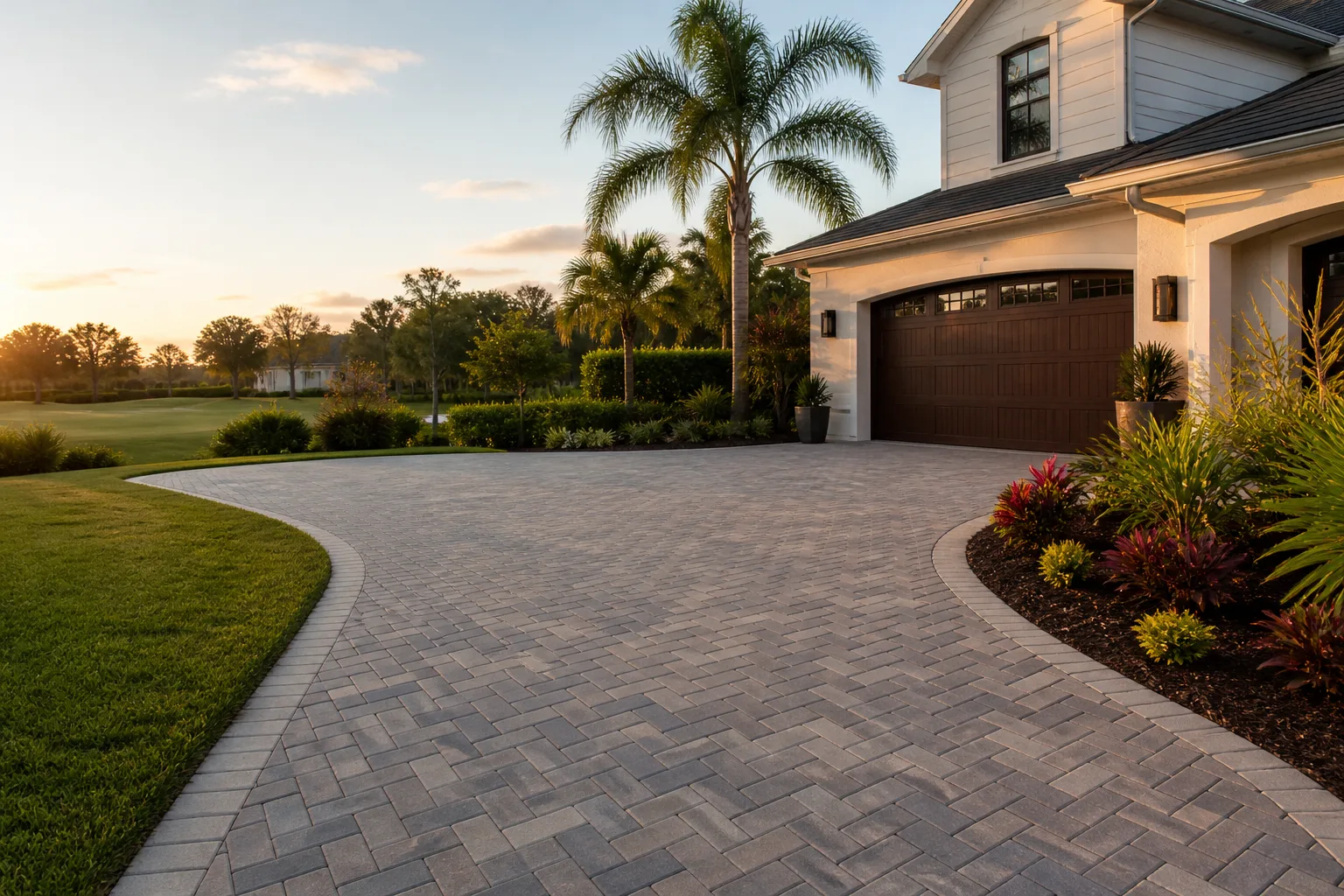
Most driveway paver failures we see around Coral Gables have nothing to do with the pavers themselves. The stone or concrete on top is usually fine. The problem sits underneath, where a base was built to a national standard that assumes dry, stable ground instead of the heavy clay soils and high water table that run under so much of South Florida. A beautiful driveway surface laid over an under-built base will heave, settle, and shift within a few rainy seasons. This guide covers what actually matters for a Coral Gables driveway: how local soil changes the whole spec, which materials survive our sun and storms, what the historic districts will and won’t approve, and how to budget the project honestly. We’ll also name the specific paver brands worth comparing, because “concrete paver” tells you almost nothing on its own.
Quick Answer
A driveway paver project in Coral Gables needs a base built for South Florida conditions: deeply compacted, properly drained, and specified for our clay-heavy soil and high water table, not copied from a national guide. Material choice matters too, but the base and drainage are where most failures start. Budget for a written, line-item estimate and for HOA or historic-district pre-approval before any material is ordered.
Styles & brands we work with
- Kitchen remodeling
- Bathroom remodeling
- Home additions & ADU
- Roofing
- Windows & doors
- Driveway & pavers
- Fence
Table of Contents
- Why the Base Matters More Than the Paver in South Florida
- Which Paver Materials Hold Up in Coral Gables?
- Permeable vs. Standard Pavers: What South Florida Needs
- HOA and Historic District Rules in Coral Gables
- A Brand-by-Brand Look at Paver Manufacturers
- How a Driveway Paver Project Actually Goes
- What Does a Driveway Paver Project Cost?
- Maintaining a Paver Driveway Through Storm Season
Why the Base Matters More Than the Paver in South Florida
In most of the country, a compacted gravel base is fairly forgiving. Here it isn’t. Much of South Florida sits on expansive clay-heavy soils that swell when wet and shrink as they dry, and the water table can be close to the surface in low-lying neighborhoods. When a base isn’t excavated deep enough or compacted in proper lifts, that soil movement telegraphs straight up through the pavers. You get rutting along the tire paths, rocking stones, and joints that open up and wash out in heavy rain.
The fix is not exotic. It’s a thicker, well-drained base built in compacted layers rather than dumped in one pass. That’s the single biggest difference between a driveway that lasts and one that needs re-leveling within a few years. In our experience the quality of compaction is invisible once the pavers go down, which is exactly why it’s the first thing to ask about.
Three things belong in the spec conversation before you choose a single stone:
- Excavation depth and base thickness matched to the soil and traffic load, not a one-size standard.
- Compaction in lifts, meaning the base is compacted in controlled layers instead of one thick pour that can’t be packed properly.
- Drainage and slope planned so water leaves the driveway instead of pooling against the house or the street apron.
Coral Gables has plenty of older lots where the original drive was graded decades ago and never accounted for current storm volumes. That’s a detail a specialty paving-only installer often skips. When your driveway and pavers are handled as part of a broader exterior scope, someone is already thinking about runoff, the grading around the house, and where the water should go. One contractor, every trade, from the driveway to the roofline, means those pieces get considered together instead of in isolation.
Which Paver Materials Hold Up in Coral Gables?
UV intensity and heavy seasonal rain do the most damage to driveway surfaces here, followed by the constant moisture that never fully dries out between storms. The material has to handle that cycle without fading, spalling, or going slick. Here’s how the main options compare for a Coral Gables driveway.
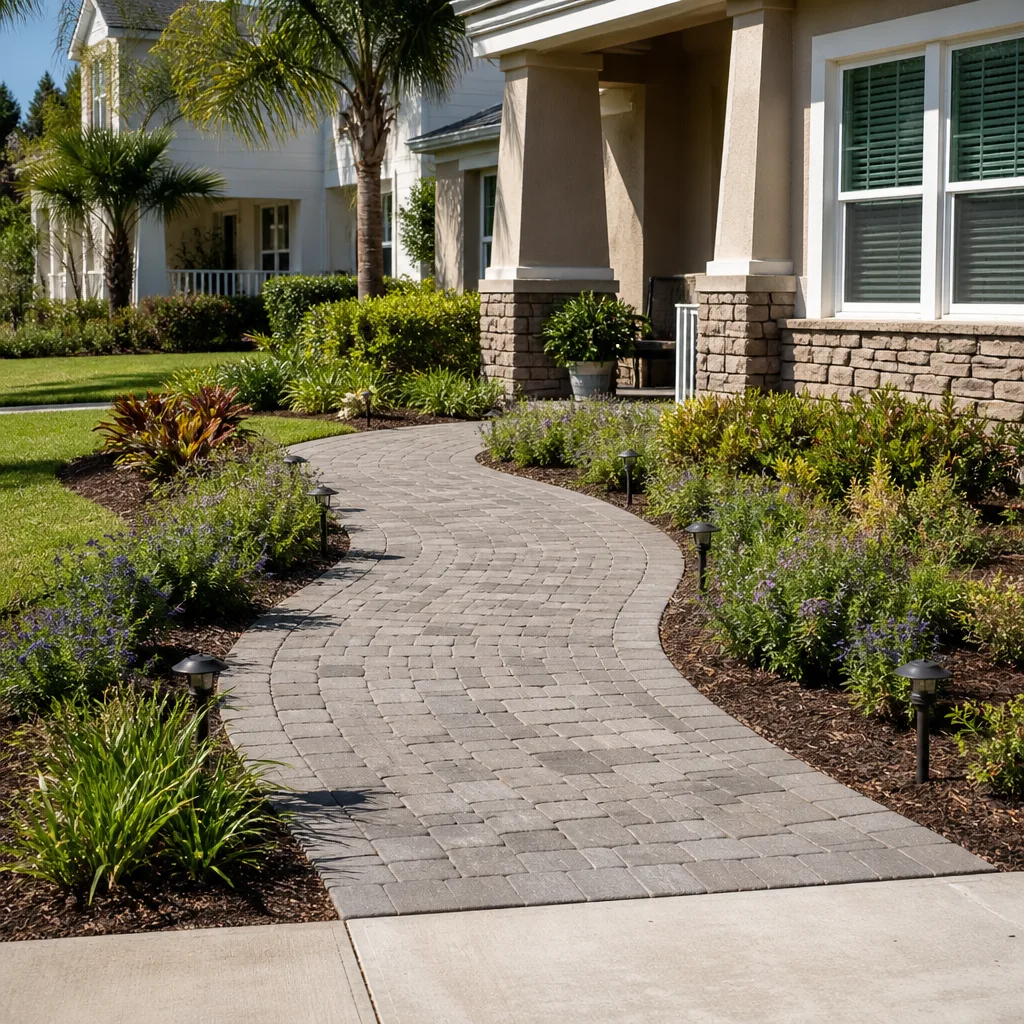
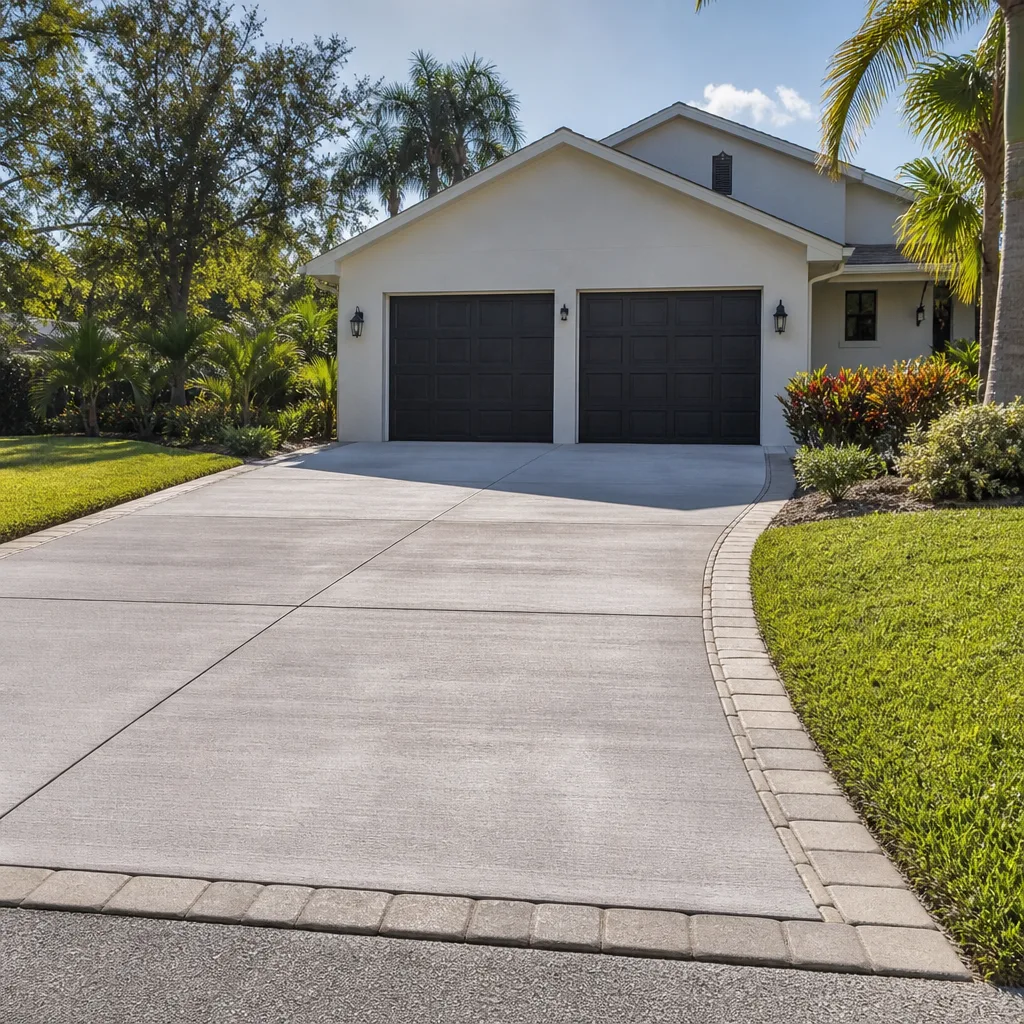
Concrete pavers
The workhorse. Interlocking concrete pavers are dense, color-through where quality is high, and easy to replace one at a time if a unit cracks. Fading is the main concern under intense sun, so specify pavers with strong colorfast pigments rather than a thin surface color. They hold up well when the base is right.
Travertine
Popular for the clean, light look many homeowners want, and it stays cooler underfoot than concrete. Natural travertine is porous, so it needs proper sealing to handle rain and prevent staining. It’s a premium choice that rewards careful installation and regular upkeep.
Brick
Classic and characterful, and it fits well with the Mediterranean and Spanish-style architecture common in Coral Gables. Clay brick is durable and holds color, though the joints need to be set and maintained carefully so they don’t erode in heavy runoff.
Porcelain
The newer option. Porcelain pavers resist staining, absorb very little water, and hold color well under UV. They’re dense and durable but demand a precise base because they’re less forgiving of settlement than concrete. A strong pick where the base is built to spec and the look you want is crisp and modern.
- Concrete: best value, durable, needs color-through quality.
- Travertine: premium look, cooler surface, requires sealing.
- Brick: timeless style, strong color retention, joint upkeep.
- Porcelain: stain and water resistant, needs a precise base.
Whichever you lean toward, the material is only half the decision. The base and the grading are what let it perform through storm season after storm season.
Permeable vs. Standard Pavers: What South Florida Needs
Permeable pavers let rainwater pass through the surface and into a designed stone reservoir below, instead of running off into the street or pooling on the drive. In a place with intense downpours and a high water table, that matters. Standard pavers move water to the edges through slope and drainage; permeable systems manage it in place.
Which is right depends on the lot. Here’s how to think it through:
- Check how your lot drains today. If storm water already pools on the driveway or backs up toward the house, that’s the first sign a permeable approach has value.
- Confirm what your city and county require. Stormwater runoff rules can make permeable paving the practical or required option on some projects. Ask your city’s building department directly rather than guessing.
- Match the base design to the system. Permeable pavers need a correctly sized reservoir and filter layer below, so the base spec changes. This is not a swap you make on the same base.
- Weigh maintenance. Permeable surfaces need periodic cleaning so the joints don’t clog with sediment and stop draining.
On many Coral Gables properties a standard paver drive with well-planned slope and drainage does the job. On lots with poor drainage or where runoff rules apply, permeable is worth serious consideration. The right answer is lot-specific, and that’s a conversation to have before the base goes in.
HOA and Historic District Rules in Coral Gables
Coral Gables is not a place where you can order any paver you like and start laying. Several neighborhoods carry HOA covenants on material, color, and pattern, and parts of the city sit in historic districts with their own approval process. Getting a material approved after it’s on the truck is a costly lesson. Handle it up front.
The pre-approval process generally looks like this:
- Find out whether your property is in a historic district or under an HOA. Your city or HOA will confirm this.
- Get the written rules. Ask for the specific material, color, and pattern restrictions in writing rather than relying on what a neighbor says.
- Submit your product details. The approval body usually wants the manufacturer, the color, the finish, and sometimes a sample or photo.
- Wait for written approval before ordering. Keep the approval on file. It protects you if questions come up later.
Common restrictions we see requested include muted, natural tones over bright colors, standard rectangular patterns over busy designs, and materials that match the surrounding architecture. For Coral Gables’ historic character, brick and natural stone tones often align well with district expectations, but the written rules, not general impressions, are what count. Because pre-approval can run on its own timeline, it’s the first task to start, ahead of the design and the base work.
A Brand-by-Brand Look at Paver Manufacturers
Specifying by name rather than by category is one of the most useful habits a homeowner can adopt. “Concrete paver” can mean a dozen different products with very different density, colorfastness, and availability. Comparing named manufacturers lets you see apples to apples instead of accepting a single take-it-or-leave-it option.
Three manufacturers come up repeatedly on South Florida projects, and each has a clear place in a Coral Gables driveway:
- Belgard: one of the broadest lines of interlocking concrete pavers and slabs, with strong systems for driveways and detailed color and texture options. Good when you want range and a recognizable, well-supported product line.
- Unilock: known for durable, precisely made concrete pavers and a strong line of permeable and large-format options. A solid fit where the base is carefully built and you want performance with a clean look.
- Tremron: a Florida-based manufacturer, which matters for availability and product lines tuned to the regional market. A practical choice when you want proven performance and steady supply on a South Florida job.
We keep relationships across all three, plus others, so the material gets chosen for your project rather than for whatever a single supplier happens to stock. That’s the practical benefit of a curated brand roster: you get real comparisons, and the driveway ends up specified for the look, the traffic, and the local conditions instead of the convenience of the installer.
How a Driveway Paver Project Actually Goes
A driveway paver job in Coral Gables follows a predictable sequence, and knowing it helps you ask the right questions at each stage. Here’s the general flow a typical project takes.
- Site review and estimate. We look at the existing drive, grading, drainage, and access, and talk through material options and budget.
- Design and pre-approval. You choose the paver and pattern, and any HOA or historic-district approval is filed and confirmed in writing.
- Demolition and excavation. The old surface comes out and the subgrade is excavated to the depth the soil and traffic load call for.
- Base and compaction. The new base goes in and is compacted in controlled layers, with drainage and slope set as it builds.
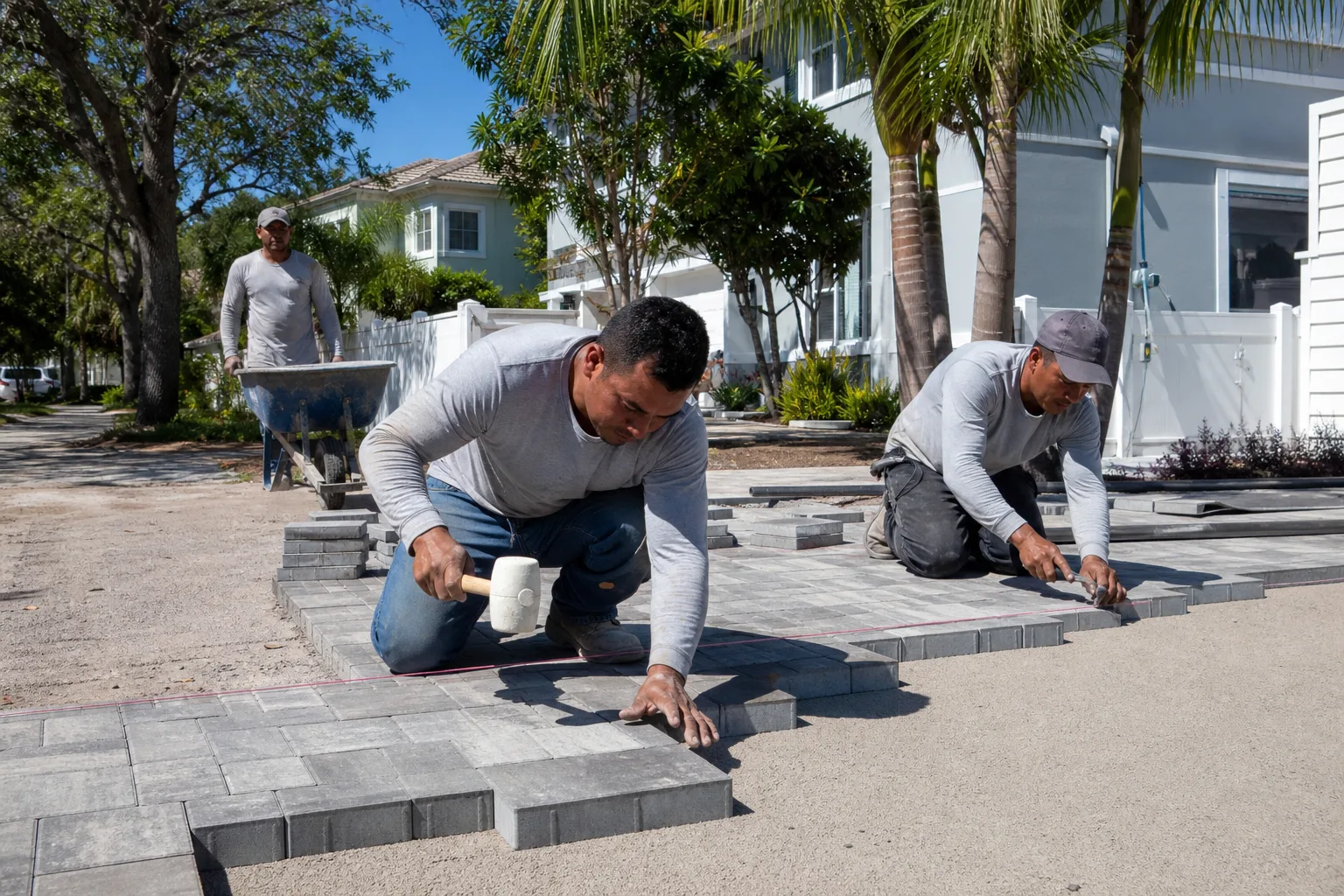
- Setting bed and pavers. A leveling layer goes down and the pavers are laid to the approved pattern, cut cleanly at the edges.
- Edge restraint and joint sand. Edges are locked so the field can’t spread, and joints are filled to stabilize and, for permeable systems, to filter.
- Cleanup and walkthrough. The site is cleaned and we walk the finished drive with you.
A project of this size touches more than paving. When the same contractor also handles your fence installation and exterior work, the grading, edges, and transitions get coordinated instead of left for two trades to argue over. That single-point accountability is worth a lot on a job where the base is buried and the finish is visible for years.
What Does a Driveway Paver Project Cost?
We don’t quote a single per-square-foot number, because the base and drainage work, material choice, and site access vary too much from lot to lot. The written, line-item estimate is where the actual price gets set. Here’s how to read the line items so you can compare proposals fairly.
- Demolition and haul-away: removing the old surface and disposing of it.
- Excavation and grading: digging to the right depth and setting drainage and slope.
- Base material and compaction: often the largest and most important line item in South Florida; ask what base is being specified and how it’s compacted.
- Pavers and setting materials: driven by material type, brand, and area.
- Edge restraint, joint sand, and finishing: the details that hold the field together.
- Drainage or permeable system: a distinct line item where the lot needs it.
Two things make comparison easier. First, ask for a fixed, written estimate so the number doesn’t drift once work starts. Second, insist the estimate state the base thickness and compaction method. A proposal that only quotes “pavers installed” is missing the part that decides how the driveway performs. Permits, where required, should also be pulled and inspections passed, and a written estimate should say so.
Maintaining a Paver Driveway Through Storm Season
Once the driveway is in, a little routine care keeps it draining and looking sharp through the wet months and the UV-heavy dry ones. None of it is complicated, and much of it is seasonal.
- Replenish joint sand annually. Joints erode over a rainy season; refilling them stabilizes the field and keeps water moving where it should.
- Clear the drainage path. Keep swales, channels, and permeable surfaces clear of sediment and debris so storm water keeps flowing.
- Clean permeable surfaces periodically. Sediment clogs the joints over time and stops the system from draining; regular cleaning prevents it.
- Seal what needs sealing. Natural stone like travertine benefits from proper sealing; check manufacturer guidance for concrete and porcelain.
- Address settlement early. A few rocking or sunken pavers are worth fixing before they let water into the base and spread the problem.
Good maintenance protects the investment but it can’t rescue a base that was never built right. It’s worth saying plainly: if the driveway is already heaving or holding water, the fix isn’t more sand in the joints. It’s a look at the base.
Common Mistakes to Avoid
- Accepting a national-standard base. A base specification copied from a general guide often ignores our clay soils and high water table, which is where most failures start. Ask what base thickness and compaction method are being used.
- Ordering materials before HOA or historic approval. Coral Gables districts and HOA covenants can restrict material, color, and pattern. Getting written approval first saves you from removing brand-new pavers.
- Treating permeable as a simple swap. Permeable pavers need a different base and reservoir design. Installing them on a standard base defeats the purpose and can fail.
- Choosing purely on looks. A beautiful travertine or porcelain drive laid over a weak base won’t stay beautiful. Match the material to the base and the traffic.
- Ignoring drainage until it rains. Slope and drainage need to be part of the plan from day one, not patched in after the first flood pools against the house.
- Comparing estimates on total price alone. Two quotes can look similar and be very different underneath. Compare the base spec, drainage, edge restraint, and whether permits are included.
- Skipping the written approval record. Keep your HOA and district approvals on file. It protects you if questions come up down the road.
See the difference
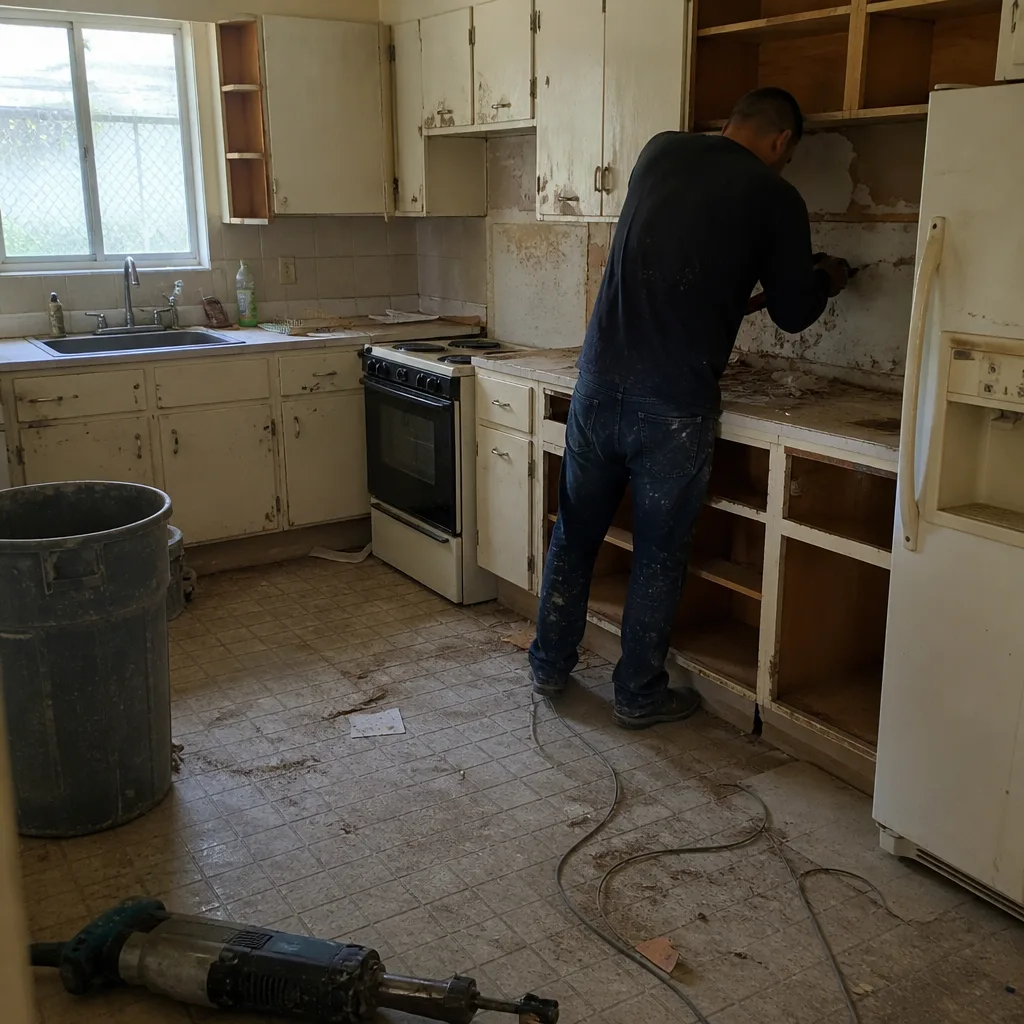 Before
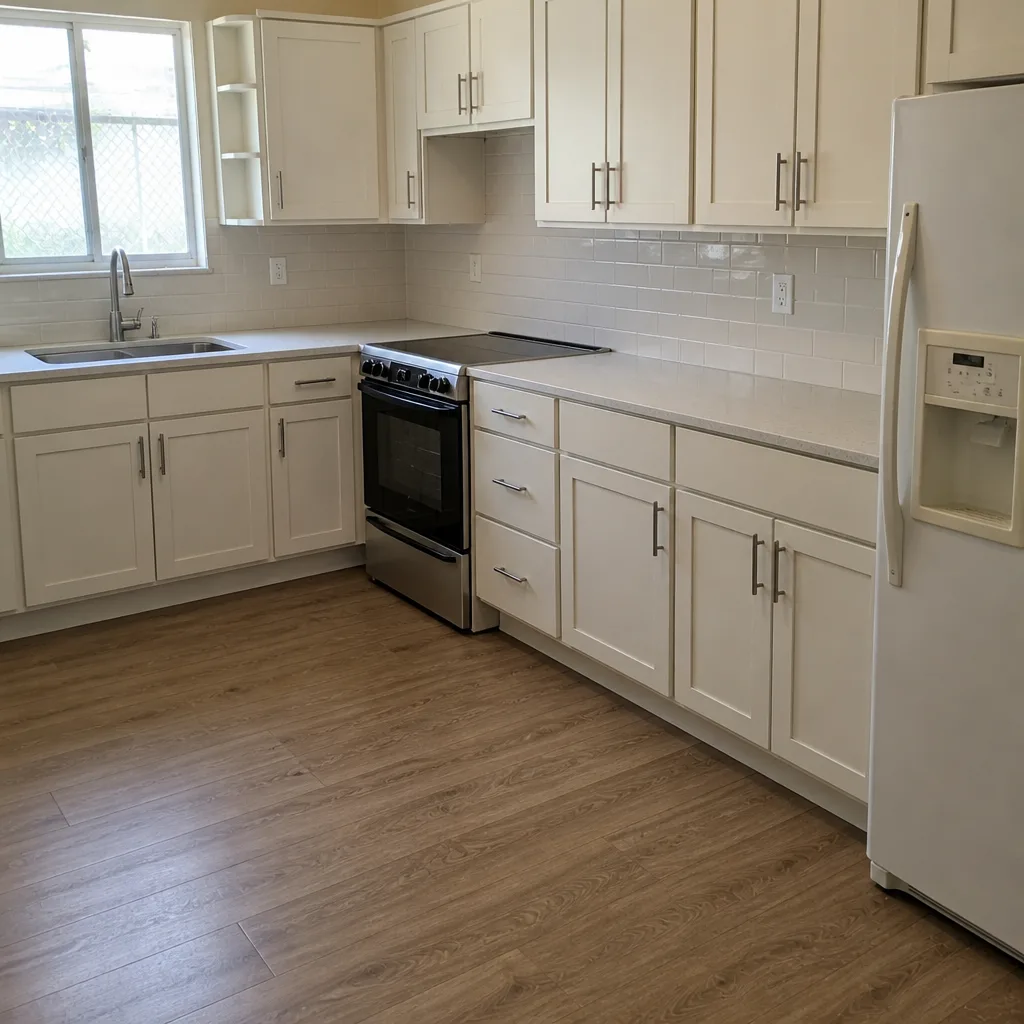 After
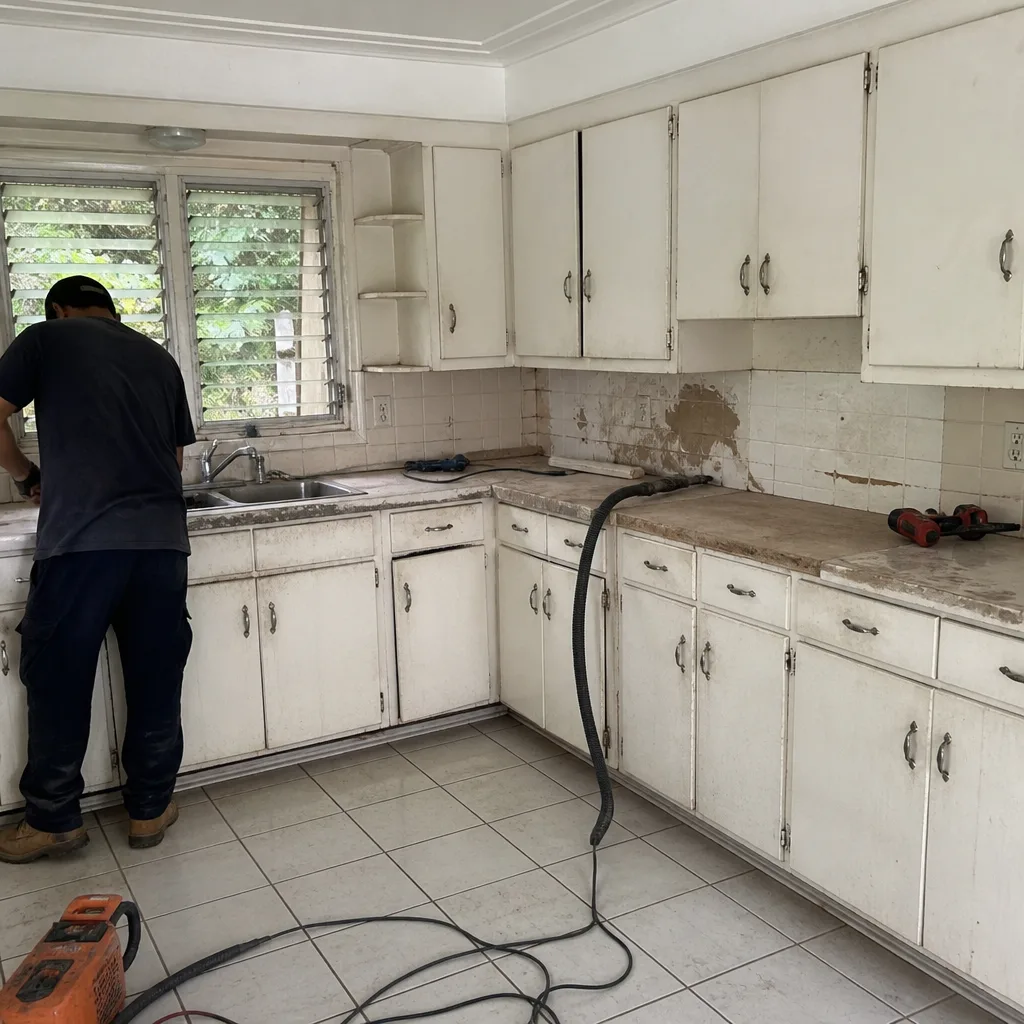 Before
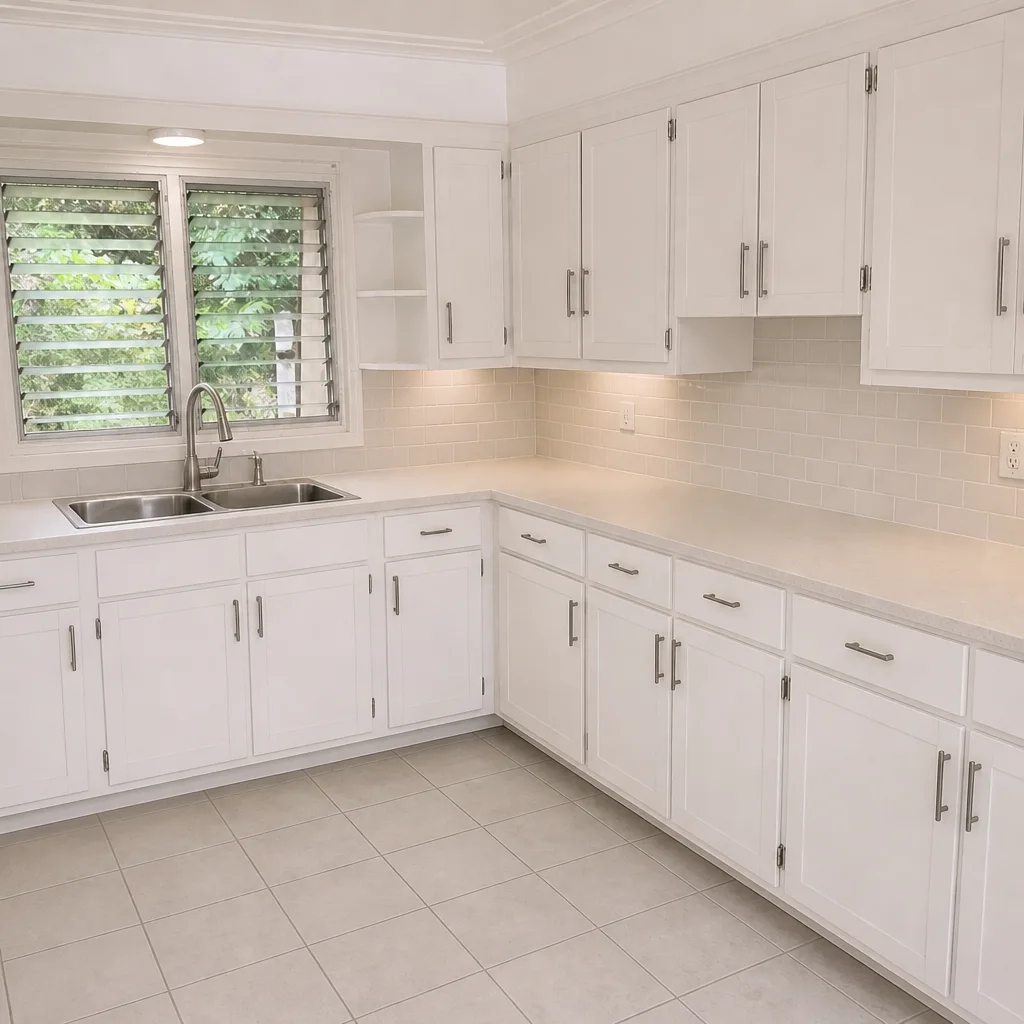 After
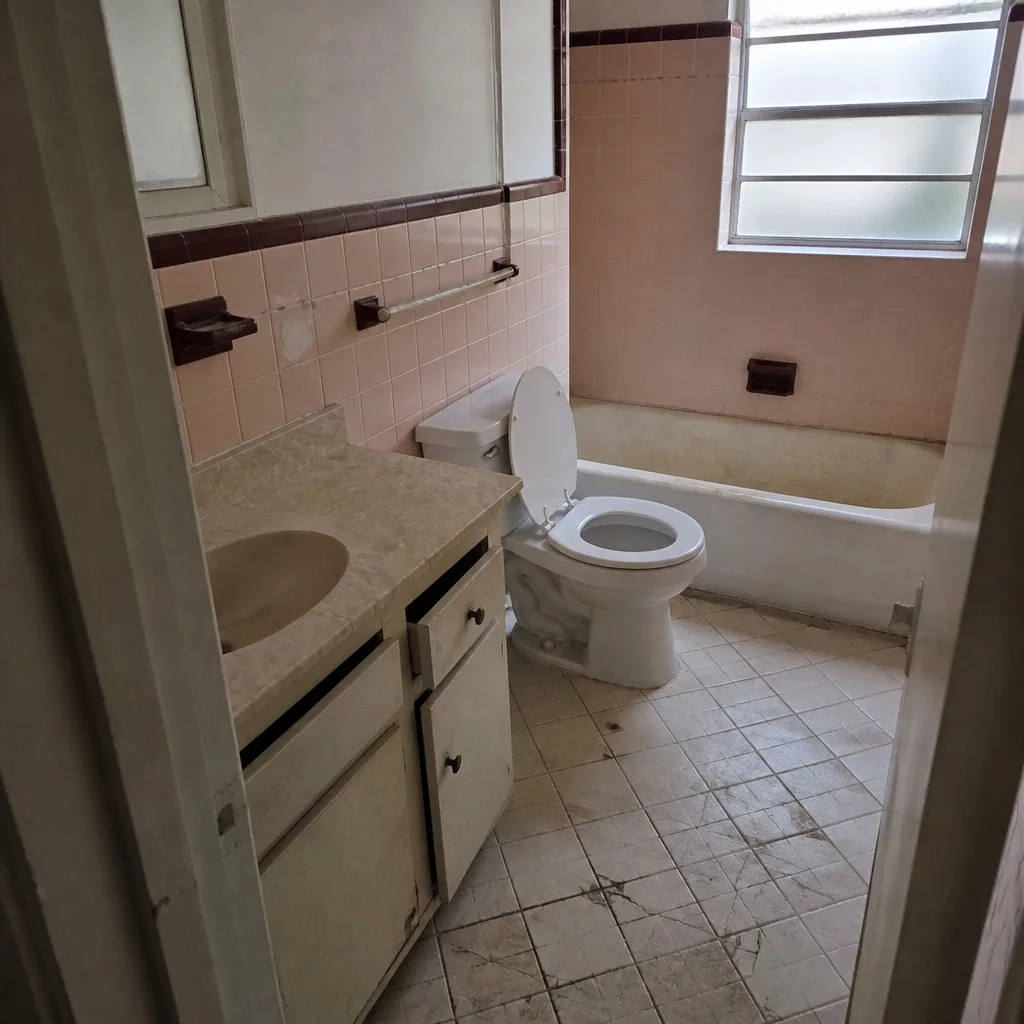 Before
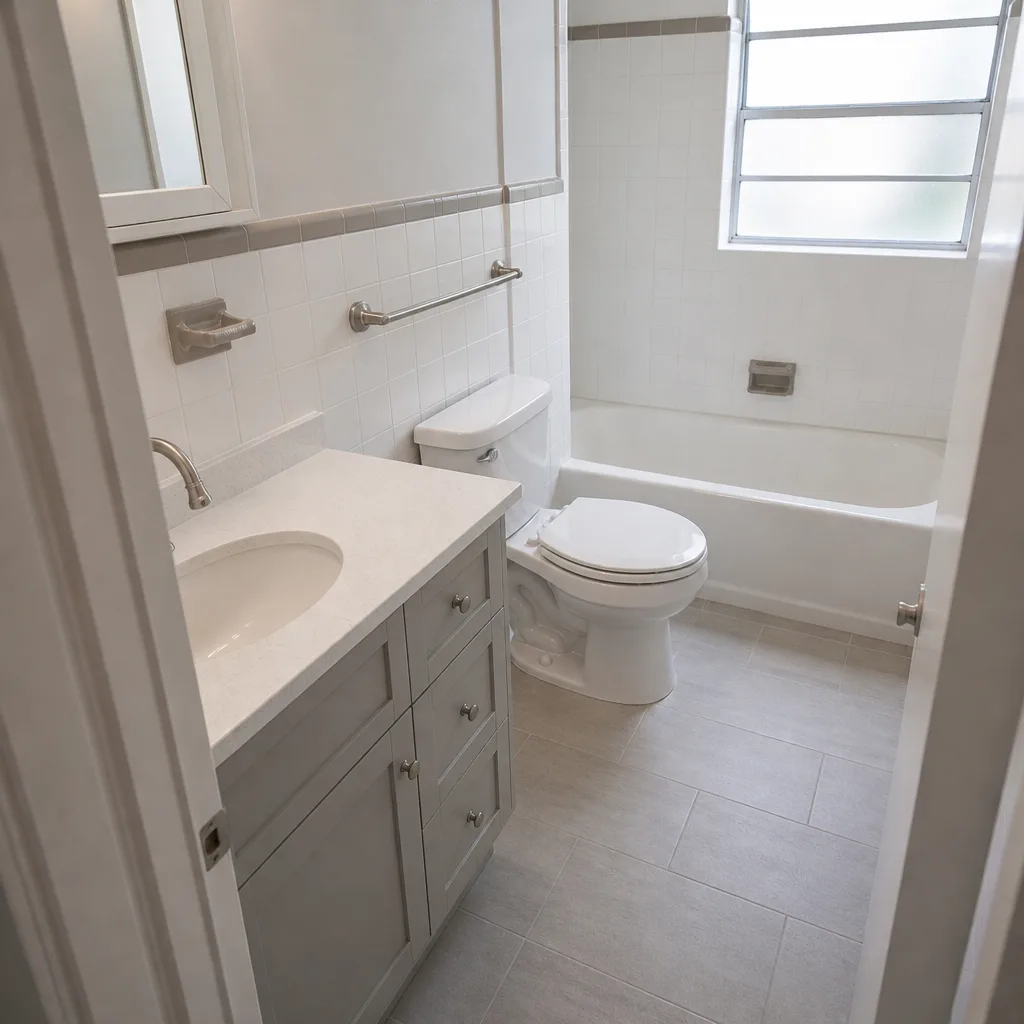 After
When to Call a Professional
Some driveway work is worth handling yourself. Replacing a few damaged pavers on a sound base, refilling joint sand, and routine cleaning are all reasonable maintenance. But several situations call for a trained professional. If your driveway is heaving, rocking, or pooling water against the house, the problem is the base and it needs a proper diagnostic rather than a cosmetic fix. If you’re planning a new driveway on clay-heavy or low-lying ground, the base spec and drainage need to be engineered for those conditions. And if your property is in a historic district or under an HOA, the pre-approval process and the install both benefit from someone who does this routinely. Coral Gables Construction offers free estimates in Coral Gables, with written line-item quotes, fixed pricing, and permits pulled and inspections passed. Call (844) 797-9523. We answer 24/7. Fast dispatch from 7am to 7pm, Sunday through Friday.
Frequently Asked Questions
There’s no single per-square-foot price, because base work, drainage, and material choice vary by lot. The written, line-item estimate is where your actual price gets set, and it’s free. Call (844) 797-9523 for an exact quote.
No. We set the price with a written, line-item estimate and use fixed pricing with no change orders, so the number you approve is the number you pay. Call (844) 797-9523 to schedule your free estimate.
Yes, where a permit is required we pull it and pass the inspections. Because Coral Gables properties can fall under historic-district or HOA review, we confirm what’s required for your address before work begins. Call (844) 797-9523 to talk through your project.
Dense, color-through concrete pavers, well-sealed travertine, clay brick, and porcelain all perform well when the base is built for our soil and drainage, so the base and drainage matter as much as the material. Call (844) 797-9523 and we’ll walk through the options for your lot.
Not always, but they matter on lots where runoff rules apply or drainage is poor. The right answer depends on how your property drains and what your local requirements are. Call (844) 797-9523 for a free site review.
It depends on the driveway size, the base depth your soil requires, and how quickly pre-approval clears, since the base and drainage work drive most of the schedule. A written estimate lays out the expected timeline. Call (844) 797-9523 to get started.
The Bottom Line
In Coral Gables, a driveway’s success is decided below the surface. Build the base for our clay-heavy soil and high water table, plan drainage from day one, and pick a material that handles UV and heavy rain, and the pavers on top will perform for years. Handle the HOA and historic-district approvals before you order, and decide permeable versus standard based on your actual lot, not a generic rule. Compare named manufacturers such as Belgard, Unilock, and Tremron instead of accepting a category. And get a written, line-item estimate with the base spec spelled out. That’s how you protect a significant investment through storm season after storm season.
When you’re ready to plan the whole exterior, not just the pavers, we handle our driveway & pavers work as part of a full residential scope, from the driveway and fence installation to home additions & ADU projects that add livable square footage. If you’re weighing an addition alongside the driveway, we can bring in vetted prefab systems like Mighty Buildings, Boxabl, or Plant Prefab so you can see a realistic path and price point. One contractor, every trade, from the driveway to the roofline means fewer handoffs and one point of accountability. Learn more about Coral Gables Construction and the brands we specify, then call (844) 797-9523 for a free estimate. We answer 24/7. Fast dispatch from 7am to 7pm, Sunday through Friday.
Written by the team at Coral Gables Construction.